

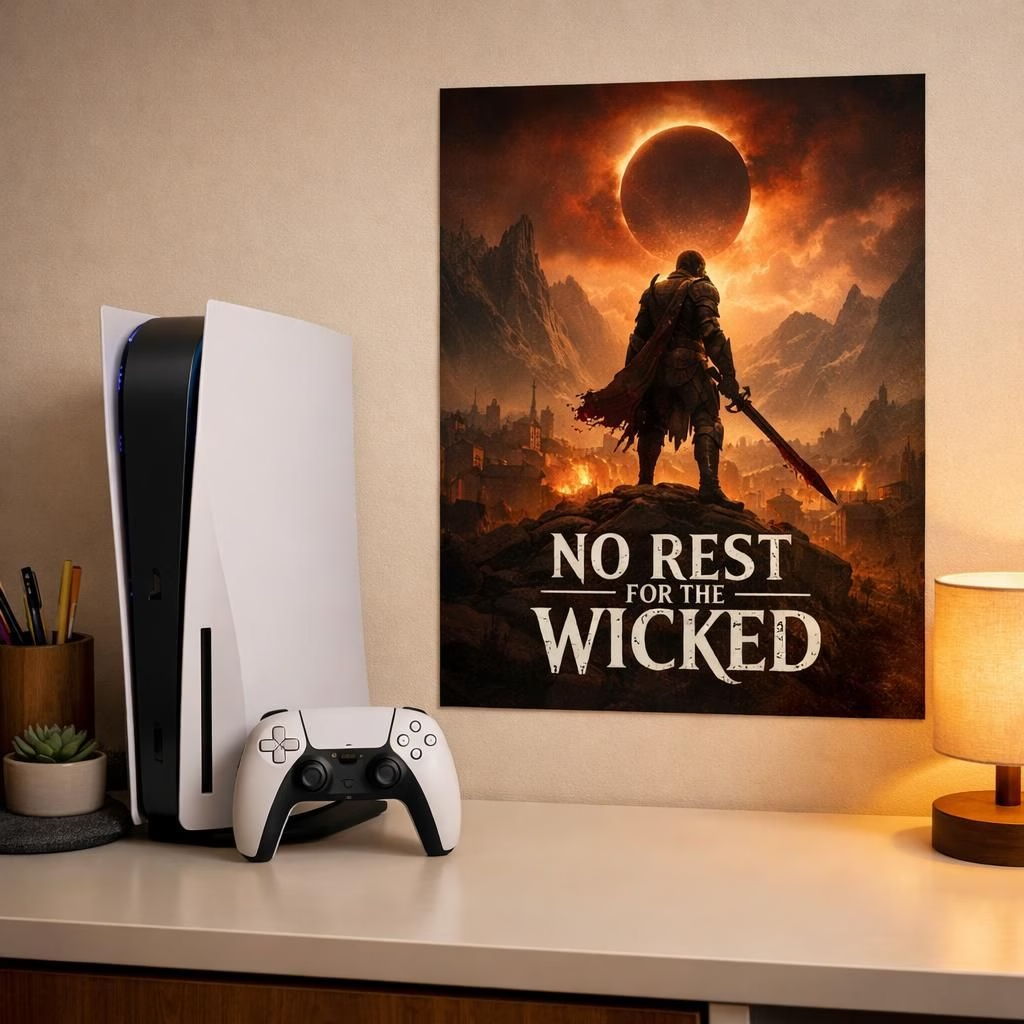
PS5 leads the way for Tag B, Moon Studios’ confidently timed project, sparking a touch of optimistic gaming-news chatter. Fans watch cross‑platform talk closely, especially after whispers that the Series S might complicate simultaneous releases. The message is simple. Moon Studios respects hardware realities. They stay pragmatic and deliver a launch window that feels like a solid headline, not a drama about exclusivity.
This is not a conspiracy; it’s a hardware math problem. For Tag B, balancing memory budgets, shader complexity, and certification cycles across platforms is real. The result is a staggered schedule that favors stability over speed.
Moon Studios confirms that 1.0 launches in October, with a trailer update and a crisp set of features ready Day One for Tag B. That timeline matters because it signals long‑term plans, not a one‑off splash. Players can expect higher fidelity visuals on the PS5, while the Xbox version gets targeted improvements after a tuning phase. And yes, the team keeps an eye on other platforms, including chatter about Nintendo Switch 2 from the Ori team.
PS5 and No Rest for the Wicked: Timing transparency in 2026
In this section, the timing approach reads clearly from a player’s chair. The PS5 version gets priority, which makes sense given hardware headroom and strong install bases. Other machines follow when code paths, certification, and patch cycles align. This isn’t a betrayal; it’s a choreography that keeps quality high and surprises at bay. When parity questions arise, numbers, not rumors, guide the plan.
No Rest for the Wicked: PS5 strategy and developer insight
Moon Studios shares how cross‑platform parity is built into the pipeline. They describe a flexible process that adapts memory budgets, ray tracing options, and controller experiences. The aim is coherence across PS5 and Series X/S, even if the route to cross-release is a zigzag, not a straight line for Tag B. Certification windows, content gating, and patches all shape the final product; strategy wins over hype when you want reliable performance.
- Players will notice frame rates and loading times differ by platform, but the core game stays faithful.
- The staged launch helps catch platform-specific bugs before many players jump in.
- Post-launch patches and DLC plans aim for a smooth, evolving experience.
For fans, the takeaway is simple: plan your console choice around timing, not fear. The team balances ambition and feasibility, and their messages aim to keep expectations healthy.
If you have thoughts, share them in the comments below. Your perspective helps everyone understand how cross‑platform plans land in real life. And if you enjoyed this take, consider sharing it with friends who love a good development story with a wink of humor.
PS5-first strategy for players
Many readers weighing a PS5 purchase will appreciate the clear, pragmatic timeline. The team’s approach prioritizes stability, then expands support for other platforms as parity and testing align. Expect a measured pace rather than a sudden, all-at-once release, with ongoing tweaks that improve the long‑term experience.
Parity milestones for Tag B
As cross‑platform parity evolves, the Tag B ecosystem will see phased improvements. The plan favors polished performance on PS5 first, with subsequent patches guiding Series X/S and other platforms toward balance. This is how the development team keeps expectations realistic while still delivering momentum.
References are included below for further context and official guidance.
References
External reads: Moon Studios’s site and PlayStation coverage can provide additional context on cross‑platform strategies and hardware discussions.