

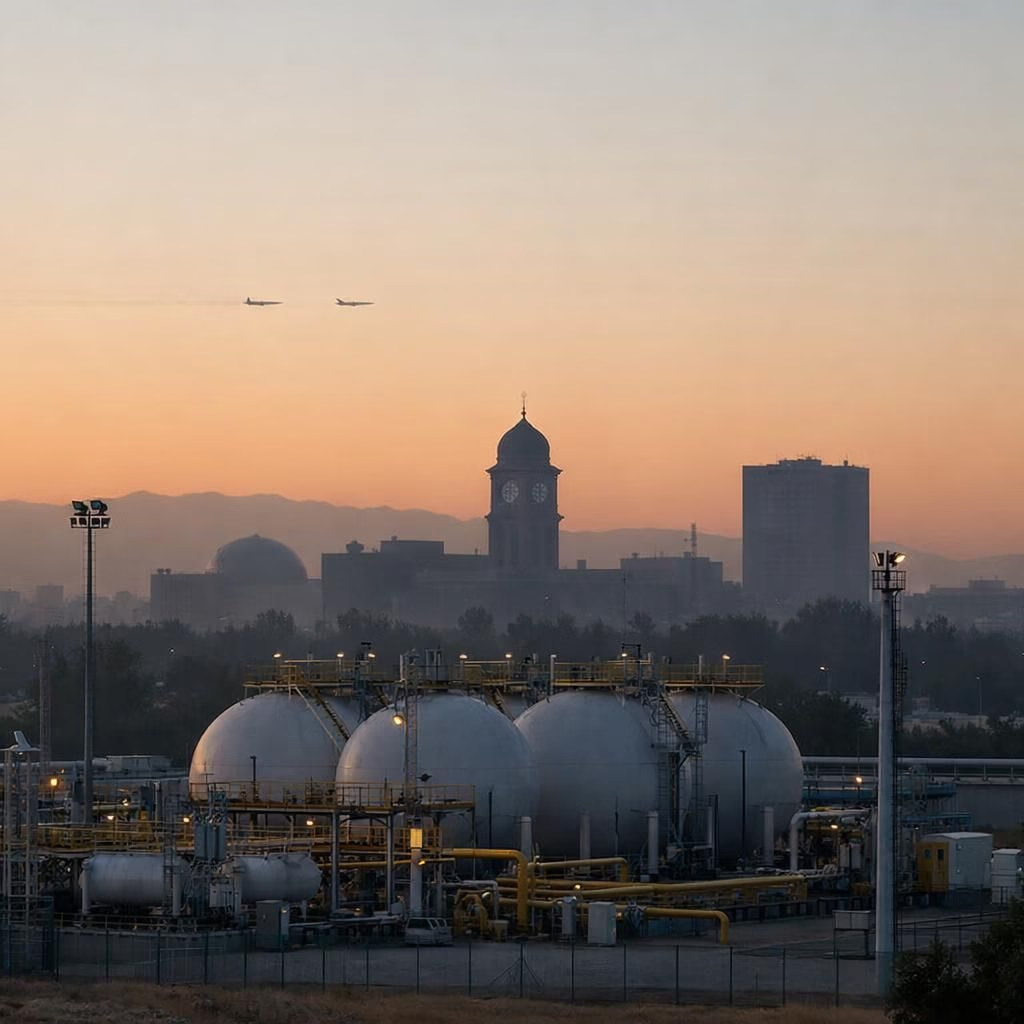
In 2026, Security2026 frames a sobering, lightly sardonic view of Tehran’s rapid news cycle. IranConflict2026 helps connect the threads of a story that spans campuses, energy grids, and distant echoes of fire and fear. The latest reports describe US-Israel airstrikes touching Tehran, hitting Sharif University of Technology and a nearby gas distribution site. The immediate effect was gas outages in parts of the capital, including the Sharif neighborhood, and a shift to remote learning.
Security2026 IranConflict2026: Tehran’s Strikes and the Campus Wake-Up Call
The strike sequence started in the early hours, with explosions and low-flying jets reported by state media. Officials described damage at Sharif University of Technology and the nearby gas site, triggering outages in surrounding neighborhoods. The campus, long a symbol of math and engineering, shifted to online operations as a precaution and as a sign of resilience. The university has faced sanctions in the past over alleged military links, a reminder that research and defense can blur in contested regions.
Separately, IRAN newspaper described a residential area in Qom struck by an air attack, with casualties and an unclear target. The report underscores how critical infrastructure remains vulnerable and how casualties can shift the national mood. In Tehran, the gas distribution network near Sharif University highlighted how fragile energy systems can ripple through daily life: outages ripple into classrooms, kitchens, and commutes. This IranConflict2026 moment also underscores the intersection of energy and conflict with everyday life.
Throughout, Security2026 and IranConflict2026 invite readers to scrutinize sources, seek clarity, and consider the human impact behind numbers. The aim is not sensationalism but understanding how events reshape education, energy, and daily life in Tehran and beyond. The story reminds us that technology empowers defense and learning, yet it requires governance, transparent communication, and practical adaptation at the community level. Security2026 remains a lens for better planning, not a forecast of doom, and IranConflict2026 invites empathy and pragmatism.
Security2026: Practical steps for resilient communities
Communities can strengthen resilience with concrete steps that apply to both cities and campuses. For example, establish local backup power for essential services, such as schools and clinics. Create reliable, non-sensational channels to share verified updates. Coordinate with nearby energy providers to minimize outages during crises. Plan remote-learning contingencies so students stay connected when campuses suspend in-person classes.
Practical discussions and policy angles often converge with technology and energy reporting. For readers seeking broader context, see the Nvidia chip-deal coverage and AI data center ownership trends.
In everyday terms, it helps to verify information across several reputable outlets and to foster clear local communication networks. For ongoing analysis of IranConflict2026 developments, readers are encouraged to monitor trusted sources and official briefings.
Original article and materials: Original article on US-Israeli airstrikes in Tehran. Thank you to the author for the source material that informed this piece.
We invite readers to share their thoughts in the comments and join the conversation about Security2026 and IranConflict2026 as the situation develops.
References
- Times of India – Israel bombs Sharif University of Technology in Iran, gas outage video: Original Times of India article
- Reuters – Middle East news and analysis: Reuters Middle East
- BBC – World News: BBC World Middle East
- IEA – Energy security and infrastructure: IEA Energy Security