

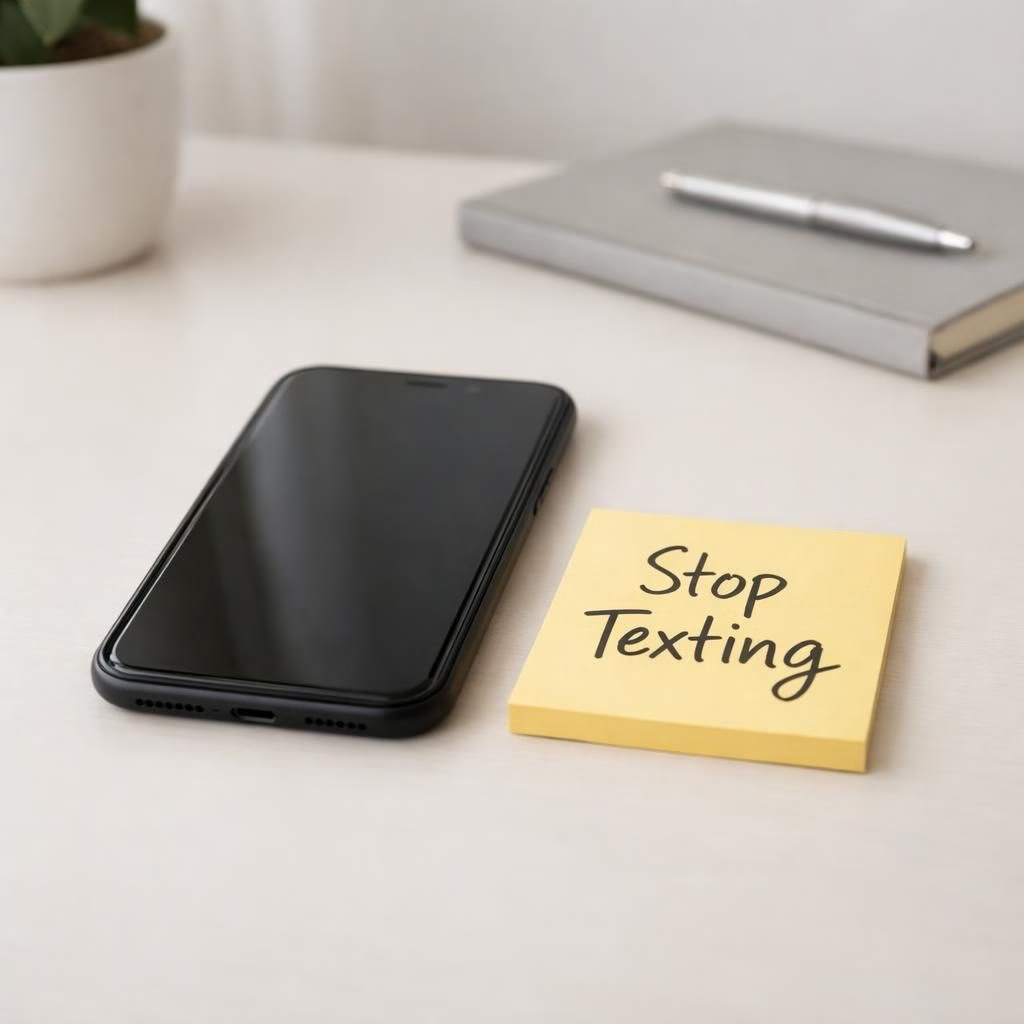
In 2026, Stop Texting stops being a mere trend and starts guiding product design. The Apple iPhone teams have finally tuned the balance between immediate gratification and genuine ease of use. The core truth behind the Forbes piece is simple. Technology should serve you, not tempt you into exhaustion. So yes, this is a celebration of smarter defaults, thoughtful on-device behavior, and stable, boring reliability. If you like gadgets that make life easier without shouting about themselves, you’ll enjoy this tour through careful tweaks, clever defaults, and a dash of humor about our texting obsession.
Stop Texting: A Design Refresh You Can Feel
Tech vendors used to think bigger screens and faster processors were the answer to every problem. Today, the answer is often softer: less pressure to reply, more space to think, and interfaces that steer you toward focus without making you beg for mercy. The Stop Texting approach shows up in subtle but real changes: smarter notification batching, visual prioritization of important messages, and gentle nudges to take a breath before you send. For fans of the Apple iPhone, this means more satisfying workflows with fewer intrusions. In practice, you’ll notice a refined Do Not Disturb mode, smarter focus presets, and a keyboard that learns your rhythm without hogging the whole screen. The goal isn’t silence but a healthier rhythm—one that respects your time and your attention. Stop Texting is less about anti-communication and more about smarter communication.
- Smarter notification batching
- Visual prioritization of important messages
- Gentle nudges to pause before sending
Apple iPhone’s 2026 Playbook for Focus and Fun
On the hardware front, the Apple iPhone line leans into improved haptics and a more legible display, especially in bright light. But the real shift is in how the device guides you toward intentional action. Expect longer battery life for a day filled with thoughtful interactions rather than frantic bursts of texting. With software, Apple iPhone adopts clearer prompts, context-aware suggestions, and better silencing of nonessential chatter. Features like automatic summarization of threads, smarter replies that avoid knee-jerk emoji storms, and a focus on productive notifications help keep you in the driver’s seat. The design ethos is simple and humane: respect your time, celebrate clarity, and still offer plenty of room for the occasional playful message. The Apple iPhone acts as a thoughtful coach rather than a relentless pinging clerk.
For more on Focus mode, see Apple Focus mode on iPhone.
Stop Texting in Practice with Apple iPhone
Start small with a few practical steps this week:
- Enable a mid-day Do Not Disturb window and let messages queue until you’re ready to check them.
- Customize smart replies to reflect your real voice rather than generic auto‑completion.
- Review your notification lighting and decide whether every app needs to ping you at odd hours.
The interplay between Stop Texting and the Apple iPhone means changes that feel small but compound over time. You’ll notice fewer impulsive replies and more purposeful conversations, which is exactly the kind of progress this era needs.
Practical Takeaways with a Smile
If you want to incorporate these ideas into daily life, start small. Turn on a Focus mode during work hours, practice scheduled check-ins, and reframe your messaging expectations. Remember the Stop Texting principle when you’re tempted to fire off a quick reply: will this message bring value in five minutes, five hours, or five days? If the answer is uncertain, consider drafting a reply later. The Apple iPhone‘s new defaults make this easier by offering friendly reminders and sane defaults, not guilt trips. You’ll still be able to send delightful notes to friends and family; you’ll just do so more thoughtfully. This isn’t a digital detox; it’s a digital economy of attention that pays dividends in productivity, mood, and sleep. The blend of Stop Texting discipline and Apple iPhone’s polished sensibility creates a calmer, more effective everyday tech routine.
- Enable a mid-day Do Not Disturb window and let messages queue
- Customize smart replies to reflect your real voice
- Review your notification settings to avoid 2 a.m. pings
In case you’re curious about the background, Forbes explored the idea that long-standing texting habits and glossy device capabilities finally meet a moment of recalibration. While the sentiment is playful, the takeaway is serious: technology should serve your life, not hijack it. The concept of Stop Texting paired with the Apple iPhone experience isn’t an anti-technology sermon; it’s a pragmatic invitation to smarter use, a little humor, and a lot more peace of mind.
We’d love to hear your take—please share your thoughts in the comments below to keep the conversation going.
Special thanks to Forbes for the inspiration. Original article: Apple Changes iPhone After 15 Years—Why You Should ‘Stop Texting’.