

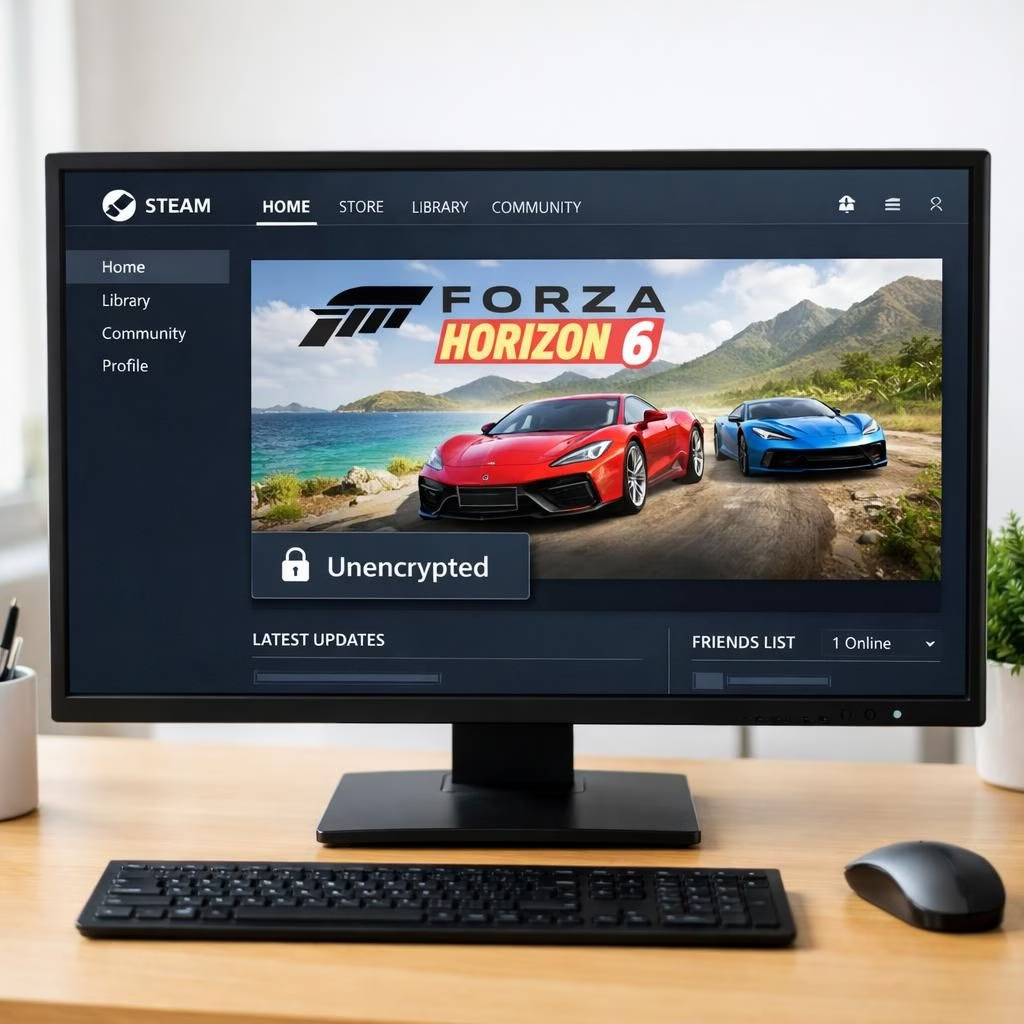
Security and leaks collide in 2026 as Microsoft briefly uploaded roughly 155 GB of Forza Horizon 6 files to Steam unencrypted, a rookie mistake that opened a window for quick cracks and piracy chatter on CrackWatch and social feeds. The misstep isn’t just a stunt; it’s a reminder that even giants can trip over a misclick, while fans gain a fast glimpse of gameplay and potential cracks before official launch. This moment puts security under a bright spotlight and shows how leaks travel fast in the digital age.
Historically, Steam allows preloads of encrypted builds so you can play as soon as the encryption key arrives. This time, Microsoft uploaded unencrypted data. SteamDB flagged the bundle and Reddit and CrackWatch fans spotted the breach within hours, and they found cracks ready on piracy sites while creators started sharing gameplay clips in streams and videos. The energy around this incident highlights how leaks travel at the speed of social media, and how quick communities can react when a glitch reveals more than intended.
security snapshot: the unencrypted upload and immediate cracks
What happened was a simple supply-chain slip: an upload of unencrypted content bypassed the safeguards that usually shield a release. The result? Crackers posted working copies, and early footage circulated on YouTube and social streams within hours. The piracy chatter made a public case study for the value of encryption, digital rights management, and the human checks that should accompany a studio’s release queue. In 2026 terms, this is the kind of security hiccup that forces teams to rethink how to verify every file in the release pipeline before anything leaves the server.
In the sea of responses, fans remained curious rather than despondent, focusing on how this affects the launch window and future releases. The leaks chatter is a reminder that security is a living, breathing process, not a one-off patch. The team can learn, adjust, and tighten the pipeline so future launches arrive with better controls, not with a breezy open file share. The broader takeaway is that security culture matters; it isn’t just a checkbox but a practice embedded in every step of publishing.
The leaks chatter across communities reinforces this, reminding publishers that security is a living process.
Leaks in the wild: piracy chatter and early footage
Early footage appeared across YouTube and live streams, giving players an uneven preview but also exposing a potential revenue hit. The 2026 estimate from a 2024 study of anti-tamper tech suggests that when a cracked version is ready within the first week, total revenue can drop around 20 percent. The presence of pre-release leaks can push some players to skip official purchases, while others simply delay until the official release. This is a cautionary tale about how leaks shape launch dynamics, especially for a marquee title like Forza Horizon 6. The pattern echoes prior episodes: leaks press on, but communities keep the conversation lively and informed, which is itself a kind of public accountability.
Historical parallels exist. In March, Death Stranding 2 faced an unencrypted copy days before PC launch; PlayStation 5 access blurred the exact timing, but the leak still mattered for momentum. Hitman 2 in 2018 cracked weeks before launch; Denuvo protections were circumvented by cracker groups leveraging early access copies from preorder orders. These precedents show a pattern: crackers adapt quickly, developers respond even faster, and investors hold their breath until the dust settles. The silver lining is that each episode teaches the industry how to harden the pipeline while keeping players informed about timelines and security priorities.
security takeaways for publishers in 2026
Key moves for teams include tightening up upload pipelines, confirming file encryption at every step, and implementing multi-person approvals for release artifacts. A small change in a single gate can avert a large leaks. The positive takeaway is that the industry learns from mistakes and uses them to fuel better processes rather than blame. Security becomes a culture, not a checkbox. In practice, this means more automated checks, clearer ownership for each artifact, and transparent postmortems that turn a stumble into a smarter sprint for the next title.
leaks prevention: what to do next in 2026
Invest in automated checks that flag unencrypted content, test runs that simulate pre-release scramble, and transparent postmortems that share lessons without naming individuals. By embracing a proactive stance on security and a measured stance on leaks, studios can protect revenue and preserve trust with players. The goal isn’t perfection; it’s resilience and clarity. Companies can also communicate more openly about release timelines to reduce anxiety and help fans understand why certain safeguards exist, which in turn reduces the impact of inevitable leaks when they occur.
Have thoughts? Share them in the comments below. We welcome your perspective on how security and leaks shape modern game launches in 2026.
References to the original reporting and deeper technical background are collected in the references section below.
Conclusion: The incident underscores the need for robust release pipelines and clear communication with players. If you work in game publishing, establish guardrails, practice postmortems, and share lessons publicly to maintain trust even when mistakes happen.
References
- Ars Technica: Pirates are already playing Forza Horizon 6 days before its launch
- SteamDB overview
- CrackWatch coverage of early leaks