

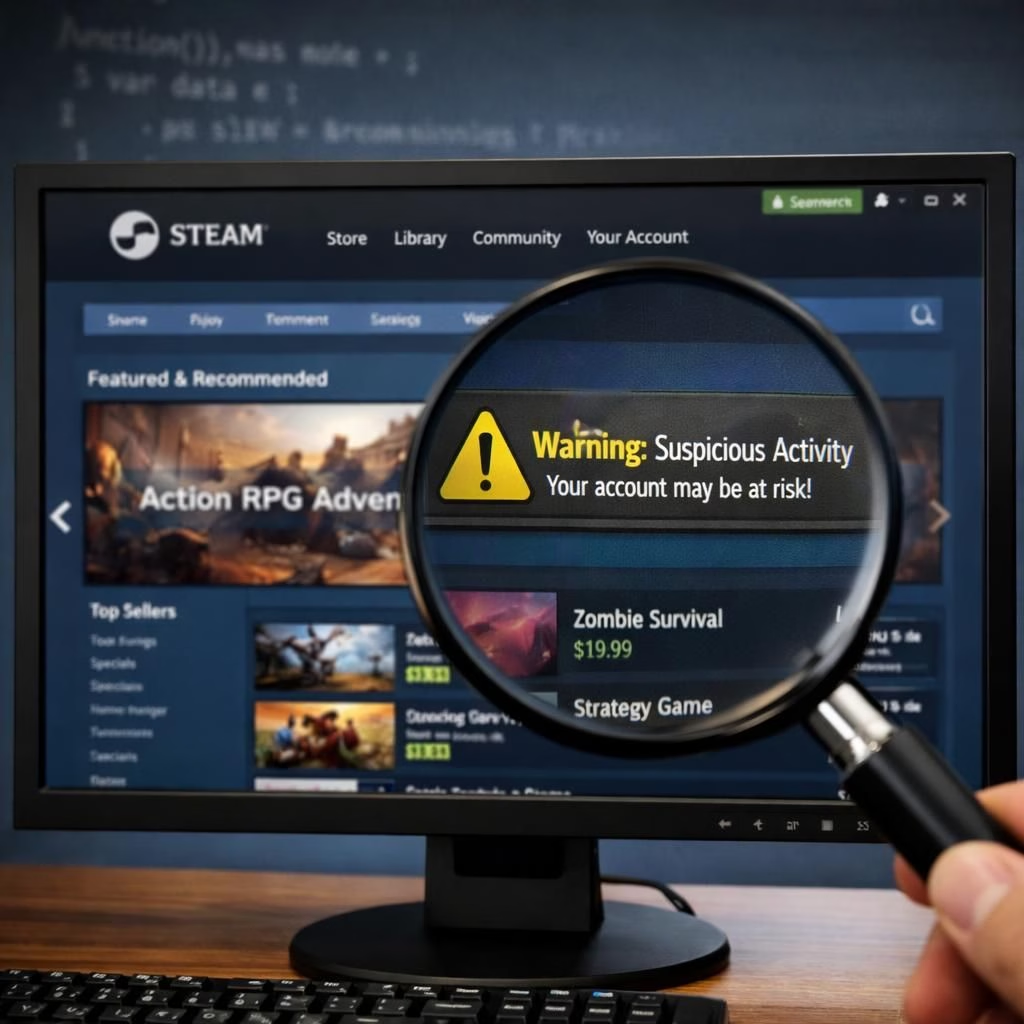
In 2026, Cybersecurity and Malware intersect in unexpected ways as the FBI highlights a risk lurking in Steam games. This post translates the technical alert into practical steps for players, parents, and the casually curious.
Cybersecurity and Malware in Gaming: Steam Case Study
The FBI’s Seattle Division is investigating Malware hidden inside certain Steam titles. The agency aims to identify victims who installed these games between May 2024 and January 2026 and inadvertently clicked through the cyber gauntlet. The case reads like a cautionary tale with a hint of spy thriller, but the stakes are real: infected machines, potential data exposure, and the kind of headaches you don’t want during a Tuesday lunch break. This is a Cybersecurity and Malware crossfire, and we’re all witnesses.
The list of games mentioned by the FBI includes BlockBlasters, Chemia, Dashverse / DashFPS, Lampy, Lunara, PirateFi, and Tokenova. This is not a random mix of indie curiosities; it’s a cross-section of how Malware can slip into a widely trusted storefront. The agency notes that criminal actors likely published these games on Steam, disguising the Malware as legitimate content. The emphasis is clear: keep your guard up, even when Steam looks familiar and friendly. In this analysis, Cybersecurity helps us separate signal from noise.
What should gamers do? First, report suspicious activity. If you or a minor are victimized by installing one of these games, the FBI requests you fill out a form. If you know someone else who has possibly been victimized, you can encourage them to submit an inquiry to [email protected]. The FBI is legally mandated to identify victims of federal crimes, and your information can help both the investigation and your own protections. Note: you will be asked for details, but identities remain confidential. The process is voluntary, but it helps sketch a clearer map for the agency’s next steps.
Past incidents show that Steam malware isn’t a new trick. In 2025, a wave of compromised games flooded the platform as well. The breach patterns are a reminder that the digital marketplace can look pristine while hosting shadowy payloads. In response, many security researchers and consumer advocates push for smarter habits, better digital hygiene, and smarter skepticism when confronted with free games that look too good to be true. This is where Cybersecurity discipline and Malware awareness meet practical action.
Cybersecurity in Practice: Practical steps to counter Malware on Steam in 2026
To keep your own PC safe, start with the basics: install trustworthy security software, keep your operating system and drivers up to date, and apply patches promptly. These are not sexy steps, but they are the critical backbone of Cybersecurity and Malware defense. The FBI’s alert emphasizes careful download habits: verify publishers, check reviews not just for hype but for red flags, and avoid downloading games from unofficial sources or third-party installers. The goal is to shrink the attack surface, not to turn gaming into a ritual of paranoia.
Smart in-game hygiene matters too. Do not run with elevated privileges unless necessary. Disable any suspicious autorun features, and scan new downloads before you launch. If a game looks suspicious or requests unusual permissions, pause, research, and consider removing it from your library. These small steps multiply into big safety margins, especially when combined with contemporary threat intelligence and security updates. Remember that Malware can masquerade as a harmless file, but it often reveals itself through unusual network activity, unexplained CPU spikes, or unexplained slowdowns.
For families and guardians, set up a family safety routine that includes age-appropriate restrictions, clear guidelines about installing software, and a shared understanding of when to report concerns. Cybersecurity isn’t only about technology; it’s also about the culture you build at home. Talk openly about why some games are flagged, why certain permissions aren’t granted on purpose, and how to recognize scams or fake support offers. Malware thrives where curiosity meets lax protection, so a culture of informed caution helps everyone, especially younger players who represent the next generation of digital citizens.
Steam has made attempts to curb the problem by analyzing signals and collaborating with security researchers. But players still wield the greatest power: vigilance. In addition to the FBI’s reporting channel, you can participate in community-led safety practices, such as verifying game publishers, monitoring for suspicious reviews, and backing up important data regularly. In the long run, robust Cybersecurity and Malware resilience comes from consistent habits, ongoing education, and a little skepticism that doesn’t ruin the fun.
Malware indicators for families
Malware awareness matters in homes with multiple devices. Look for unfamiliar icons, odd permissions, or sudden changes in performance. If you suspect an issue, pause, back up essential data, and seek guidance from trusted sources or official help desks.
In closing, the big picture remains simple: Steam Malware is not a ghost story but a real concern that calls for practical action. Your best armor in 2026 is a combination of updated software, careful downloading, and a willingness to report suspicious activity. The FBI’s call for victims to come forward is not an invitation to panic; it is a civic nudge toward safer gaming and a healthier digital ecosystem overall.
Special thanks to the original article for the material and insights that sparked this discussion. You can read the original here: Original article.
Share your thoughts in the comments below.
References
- FBI IC3 — Report online fraud and cybercrime
- CISA — Cybersecurity resources and tips
- BleepingComputer — Steam games with malware