

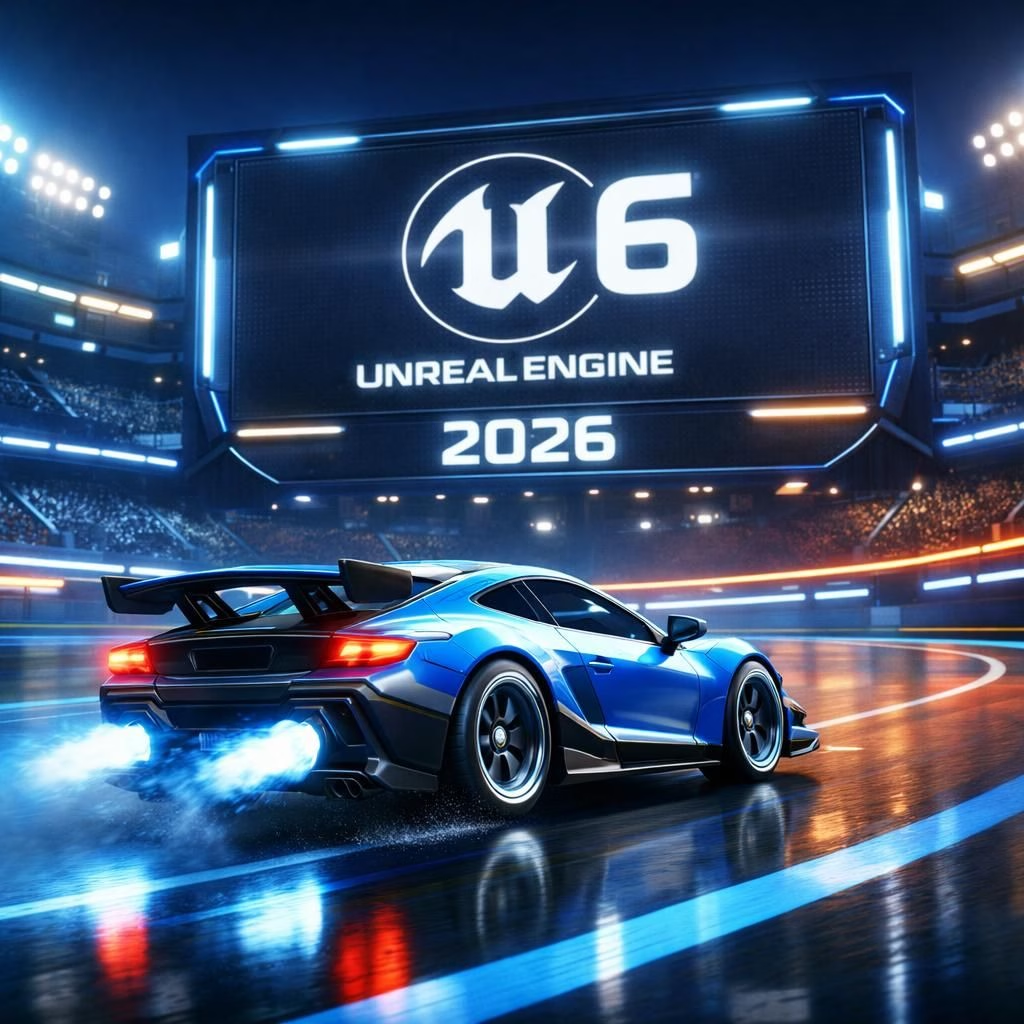
In a playful twist that made both gamers and developers grin, Rocket League and Unreal Engine 6 stroll into the same arena at the Paris Major. The announcement signals a practical blend of competition and technology, promising faster load times, sharper textures, and smoother boosts for 2026.
Fans can expect tighter ball physics, smarter AI behavior, and a splash of neon-stadium flair as cars weave through tight trajectories. The collaboration aims to preserve the core arcade vibe while pushing visuals and performance forward.
Rocket League x Unreal Engine 6: A new era for competitive play
Behind the spectacle lies a concrete set of improvements. The upgrade targets more stable frame rates, improved lighting, and smarter material pipelines that make glossy cars pop without washing out the arena. Developers point to streamlined data streaming and faster shader compilation, translating into snappier match loading and fewer hiccups in clutch moments. Expect cleaner replays, crisper trails, and more responsive performance during long sessions. This collaboration reframes how teams plan tournaments: it’s as much about robust tooling as it is about skillful play.
Rocket League and Unreal Engine 6 deliver next-gen visuals and physics
Press imagery hints at better ball trajectories, refined collision responses, and more believable environments that still keep the fast tempo fans love. The 2026 window suggests longer broadcast endurance, less stutter during crowd-pleasing moments, and a smoother spectator experience. In short, the upgrade preserves the heart of the play while letting visuals and micro-interactions glow.
From a practical standpoint, the move opens doors for cross-pollination between esports production and game development. The Paris Major becomes a live lab where teams test new tools and pipelines, collecting feedback from players, coaches, and fans. If this signals what’s to come, more leagues may explore this synergy between premier titles and cutting-edge engine tech.
As always, the community reacts with memes, threads, and debates about the aesthetics under neon lights. If the trend holds, the fusion could spur experimentation across arenas and studios. Share your take on the Unreal Engine 6 pairing, and what it could mean for gameplay in the seasons ahead.
External context: For broader context, Unreal Engine 6 is part of a broader push in real-time rendering. Unreal Engine 6: official introduction and IGN coverage provide background on the engine upgrade and its potential impact on multiplayer titles like Rocket League.
References
Frequently asked questions
-
Q: What is Unreal Engine 6?
A: It is the latest version of Epic Games’ real-time rendering platform, designed to improve visuals, lighting, and performance for modern multiplayer titles.
-
Q: How will this affect Rocket League gameplay?
A: Expect smoother frame times, sharper car visuals, and more responsive physics, especially during high-stakes matches and broadcasts.
-
Q: Will Unreal Engine 6 be available on all platforms?
A: The rollout is planned across supported platforms, with different optimizations per system, subject to publisher schedules.
-
Q: When will players see these improvements in-game?
A: The 2026 window suggests a phased rollout with final polish ahead of major events and patches in the intervening months.
Conclusion: The Rocket League – Unreal Engine 6 collaboration represents a thoughtful shift toward consistent performance and breathtaking visuals, without losing the quick, arcade-driven fun players crave. Expect more leagues to explore this engine collaboration in the seasons ahead, as teams test new pipelines and push for smoother broadcasts.