

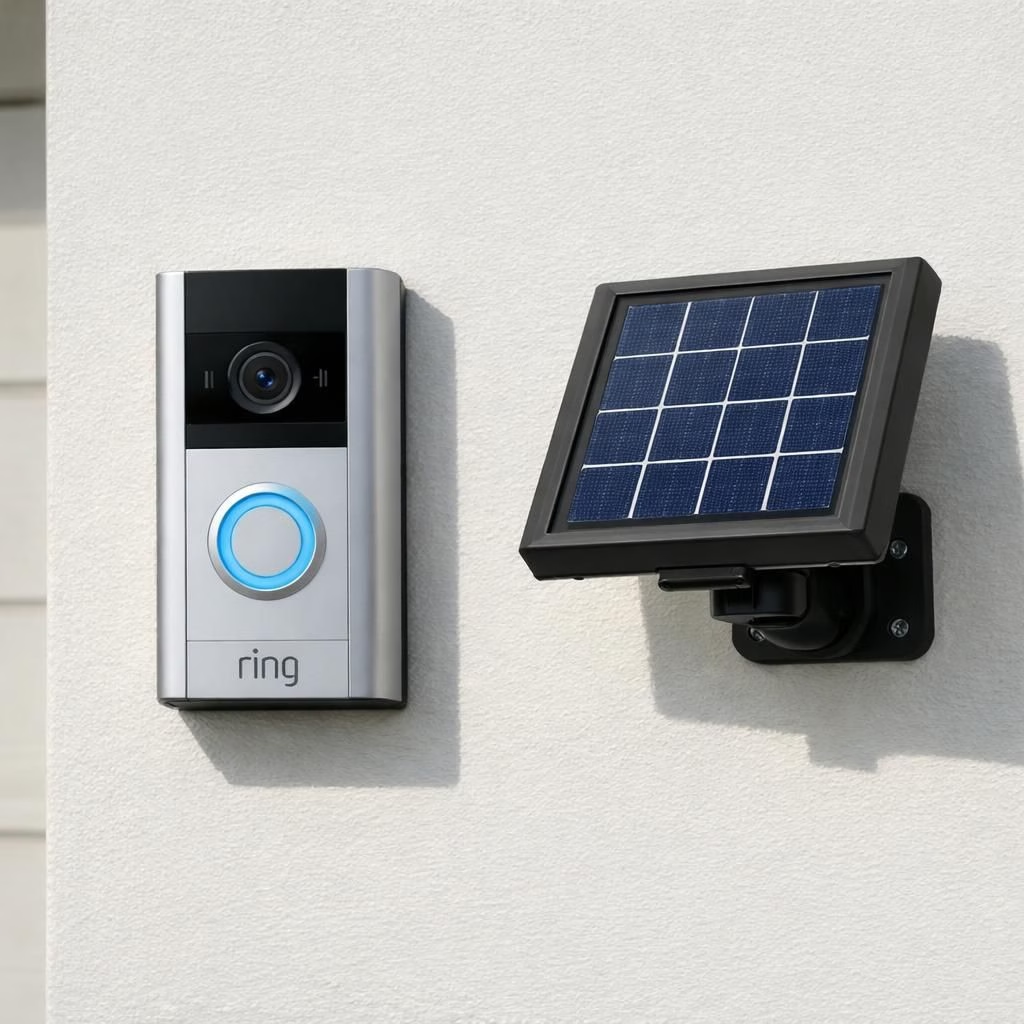
Ring doorbell enters 2026 with a friendly spec bump, like a software update that forgot to pretend it’s a new phone model. The Battery Doorbell Pro (2nd gen) now offers 4K video with 10x zoom and promises longer intervals between recharges. The lower-end Battery Doorbell Plus and Battery Doorbell (2nd gen) get 2K imaging and 6x zoom, with a quick-release battery pack on the Plus to speed up swaps. And yes, these features previously reserved for wired models still feel aspirational on battery-powered siblings, which means even a driveway dweller can enjoy cinematic detail without wiring the home to the grid. In 2026, Ring doubles down on the idea that you shouldn’t have to choose between clean doorstep aesthetics and reliable power. To that end, the company rolls out a solar charging option that integrates into the mount, offering a longer life between wall-socket strolls, and a bigger Solar Panel that can be mounted in more places. A solar charging option now sits in the mount to minimize trips to the wall outlet, ensuring the doorbell stays awake when you forget to water the plants. Pre-orders open today, with pricing that reads like a familiar menu: Pro $250, Plus $180, Battery Doorbell $100, Solar Charger $50, Solar Panel $60. The smart home world may finally align power and portability without a cable in sight.
Ring doorbell upgrades meet solar charging benefits
The top tier Battery Doorbell Pro (2nd gen) upgrades to 4K video with a crisp 10x zoom, catching details from far corners of your porch. It sits alongside the Battery Doorbell Plus and Battery Doorbell (2nd gen), which deliver solid 2K video and a compact 6x zoom. The Plus earns extra convenience with a quick-release battery pack for faster swaps, and both models share the same 2K imaging and 6x zoom, aligning with wired devices that finally keep up with battery models since late 2025.
In practical terms, these updates mean a brighter doorbell night, less motion blur on the porch, and fewer excuses to run extra cables through the yard. The idea is straightforward: let battery-powered devices carry most of the load but give them enough imaging prowess to feel like a wired device when you need it. Ring notes that many features are migrating from wired devices to the battery lineup, so you won’t be left guessing about video quality. If you were worried about battery life in high-traffic doors, the spec bump promises more headroom for everyday use, though real-world results depend on sun, weather, and how often the delivery person rings the bell.
As for the numbers: the company keeps a familiar pricing line, with Pro at $250, Plus at $180, Battery Doorbell at $100, Solar Charger at $50, and Solar Panel at $60. If you’re building a small solar charging powered outpost in your foyer, these options offer a tidy ladder to a more resilient doorbell setup without forcing cables across your wallpaper. The quick-release battery on the Plus is a small but meaningful convenience for households that don’t want to park a spare hour by the charger each week.
Ring doorbell and solar charging in 2026: what it means for homeowners
Integrating a Solar Charger into the mount is the real user-facing twist. Ring says you’ll get longer intervals between trips to the wall outlet, and the bigger Solar Panel opens up mounting opportunities that weren’t possible before. Practically, you can place a sun-soaked corner of your fence, eave, or gate post and still keep the doorbell peppy. Yet solar charging performance depends on sun exposure, shadows, and season. If you live in a Northern latitude or under a parking canopy, gains may be modest, but you’ll still have more resilience than a pure battery setup.
For existing Ring ecosystems, the new Pro and 2nd-gen battery models slot in with familiar apps, motion zones, and privacy controls. The solar chargers are designed to be mount-friendly, reducing the need for extra brackets or wall work. The result is an installation story: place the doorbell where you want, pair it with a solar charger, and maintain a crisp video experience without wires. In 2026, the narrative shifts from “how to power it” to “how to power it well and keep it tidy.”
As always, it comes down to how you live with your devices. If you want to know whether this new mix will solve your doorbell woes, weigh it against your sun exposure and delivery cadence. For many, the appeal is reduced maintenance and more consistent performance, even on cloudy days. For others, the upfront investment matters if you compare a wired setup to a battery plus solar system with better cameras.
Original article and thanks: Original Ring article: Battery Doorbell Pro 2nd Gen and Solar Charger. Thank you to Ring for providing the core material this post builds on.
If you have thoughts or experiences with battery-powered doorbells or solar charging, share your perspective in the comments below. I’m curious how your own porch experiments go in 2026.
Ring doorbell basics for solar charging setups
Here are a few quick questions to shape your setup: where does the sun hit your entry, how busy is the doorstep, and which Ring model fits your needs? A Pro 2nd Gen is ideal for larger porches or busy entrances, while Plus becomes a strong value with the quick-release battery. A mount-friendly solar charging option can minimize trips to the outlet, but success still hinges on sun exposure and weather.
Practical steps for a tidy, cable-free install
- Pick a sunny spot: Opt for an area with consistent sun to maximize solar charging gains.
- Assess mounting options: Ensure the mount can accommodate the Solar Panel without obstructing motion zones.
- Plan the power mix: Pair the Pro 2nd Gen where video detail matters most and add solar charging where cables would have been needed.
- Test and tweak: Enable motion zones and test recording quality at different times of day.
References
- Engadget — Ring adds 4K to its battery-powered video doorbells
- Ring official blog — Battery Doorbell Pro 2nd Gen + Solar Charger