

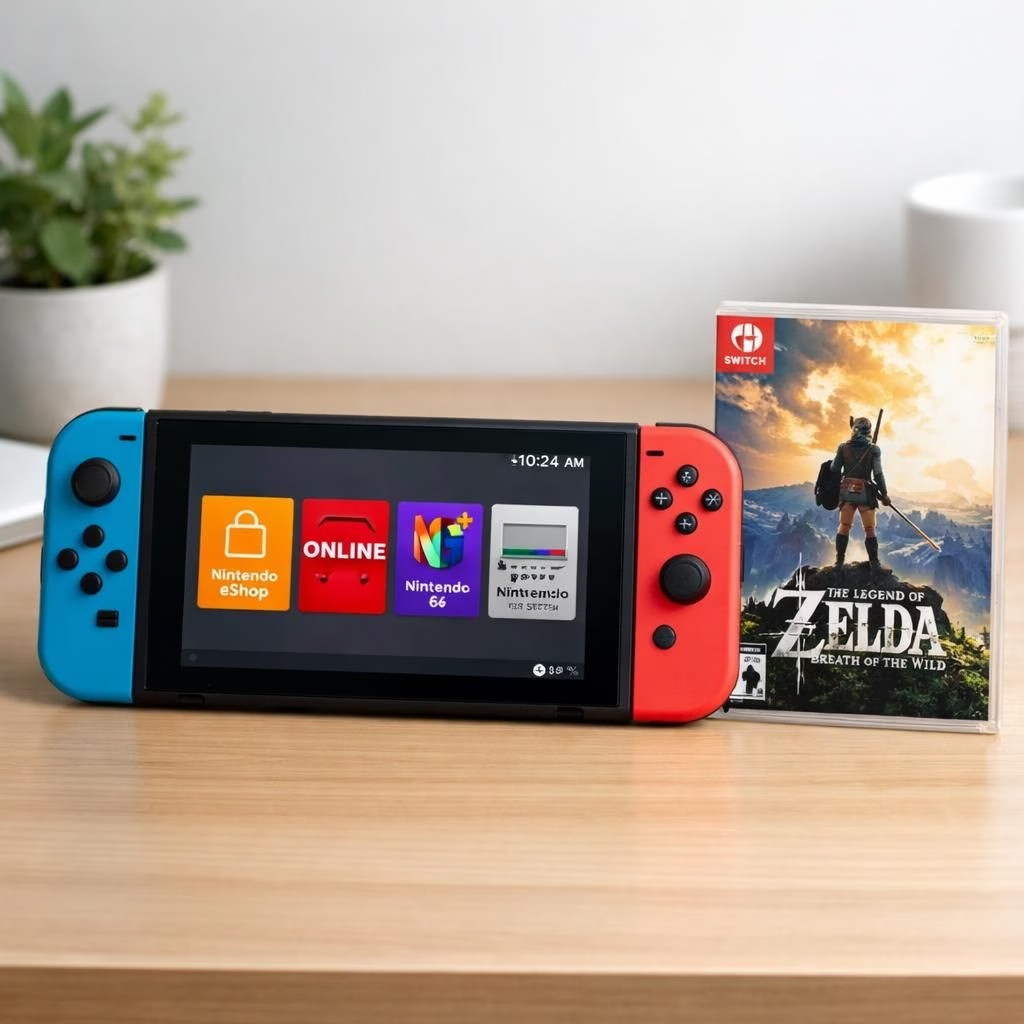
Welcome to the price permutation of the Switch 2 era, where the word ‘value’ gets a jolt and the internet debates whether the joy of owning a cartridge is worth its weight in microchips. In the latest twist, Nintendo is nudging the price lines for physical Switch 2 games upward while digital copies look a touch more friendly by comparison. The shift, ironically announced with the same ceremonial gusto as a new color palette, centers on one small hero: Yoshi, the iconic starter who marks the first ramp in the price ladder. Yes, Yoshi is not just a cutesy sidekick; in this narrative, his existence is the signal flare that prices are changing. This isn’t a smoke-filled room conspirator moment; it’s a straightforward pricing move that aligns production costs with retail realities, at least in the eyes of the folks who price things for a living. If you plotted the curve on a chart, you would see the price gap gradually widen as supply lines flex and publishers recalibrate margins. The news landed with the polite thud of a press release, but the conversation quickly evolved into memes, spreadsheet fantasies, and a dozen hot takes about what this means for your next shopping trip. And yes, digital players deserve a voice in this conversation, even if the talk mostly circles back to the peculiar charm of owning a physical box. The mission here is simple: explain what changes, why they happen, and how players might navigate the evolving landscape without selling a kidney on the resale market.
digital price dynamics for Switch 2
From the moment the first reports surfaced, observers asked why digital editions remained comparatively nimble. The simple answer? Digital distribution avoids printing costs, shelf space, and some of the logistical headaches that haunt physical retail. But nimbleness isn’t magic; it’s a business choice backed by data. Publishers can push digital prices around with a click, tweak regional pricing, and test the waters without inviting the same physical risk as a crate of cartridges gathering dust. In practice, that means the digital version can appear to dodge sticker shock for a moment longer, while still tracking trends in consumer demand. The side effect is a quiet incentive to weigh your options: if you want the convenience of instant access, digital might offer a better fit; if you want the tactile joy of a box and the potential pride of a personal collection, physical remains a distinct experience. Yet remember: the value proposition isn’t merely about the price tag; it also covers resale potential, access to downloadable updates, and the curious sociability of sharing game codes with friends who can’t resist a demo. In short, digital pricing is dynamic, pragmatic, and often a tad mercurial—yet it keeps the market honest by offering choices rather than locking players into one path.
Practical choices for digital buyers
- Keep an eye on regional pricing and regional storefront differences to maximize value over time.
- Consider bundled digital releases or subscription services that unlock multiple titles at a fixed monthly cost.
- Balance instant access with potential long-term savings by waiting for sales or promos on digital editions.
physical price realities in retail and at home
Switch 2 physical editions carry production costs that a digital file avoids: printing, distribution, shelf space, and the risk of every copy wandering into a shopper’s cart like a mischievous cat. Those costs don’t vanish when a publisher releases a cartridge, so the price often reflects a blend of perceived value and real-world expense. The upshot is that physical copies can appear more expensive over time, even if the games are identical in code on the inside. Retailers also balance supply and demand on physical stock with careful arithmetic; this sometimes leads to temporary price jumps during peak seasons or popular game launches. The twist here is that retail isn’t purely a price war; it’s a dance with consumer behavior. Some players show a strong preference for physical collectability, while others prize the speed and convenience of digital downloads. The industry tends to respond with tiered offerings, bundling, or regional deals that keep the market lively without tipping into chaos. In this environment, the physical edition becomes more than a product; it’s a statement about ownership, shelf presence, and the ritual of bringing a new game home in a box that you can hold and inspect for hidden Easter eggs or tiny developer notes.
What does this price reshaping mean for you, the everyday gamer? It means a bit more number-crunching, a touch more shopping strategy, and perhaps a playful skepticism about the next rumor mill turning. You may notice price differences across platforms, storefronts, and local retailers, all of which are legitimate data points in a dynamic market. The rise in physical prices will likely nudge some players toward digital buys, while others will double down on the tactile ritual that only a cartridge can provide. Either way, you’ll still get the same core experience: a game that offers a doorway to new adventures, moments of frustration that become stories you’ll tell later, and a soundtrack of memories from the moment the cartridge clicks or the download starts. It’s a balancing act between convenience and sentiment, cost and value, with Nintendo watching the scales and players weighing every option with a careful, sometimes amused, eye.
As we move through 2026, the industry tone remains pragmatic. Price adjustments are not playful pranks but real signals about production realities, distribution costs, and the evolving expectations of a global audience. The conversation continues online, in stores, and at family kitchens where kids beg for one more run before bedtime. The trick for players is to stay informed, compare options, and remember that price is only one piece of the puzzle. The real joy—whatever edition you choose—has always been the adventure that unfolds the moment the cartridge clicks or the download starts.
We invite you to share your thoughts in the comments below. How do you feel about digital versus physical pricing changes for Switch 2, and what strategies will you employ to stretch your gaming budget in 2026?
Original article and inspiration: Nintendo Life: Nintendo To Change Pricing For Digital & Physical Switch 2 Exclusives, Starting With Yoshi. A heartfelt thank you to the original reporters for their detailed coverage.
References
- Nintendo Official Site
- Gizmodo: Physical Switch 2 Games Will Soon Cost More Than Digital Versions
- Ars Technica: Nintendo Increasing Price of Physical Switch 2 Games
- IGN: Nintendo Increasing Price of Physical Switch 2 Games, Starting With Yoshi