

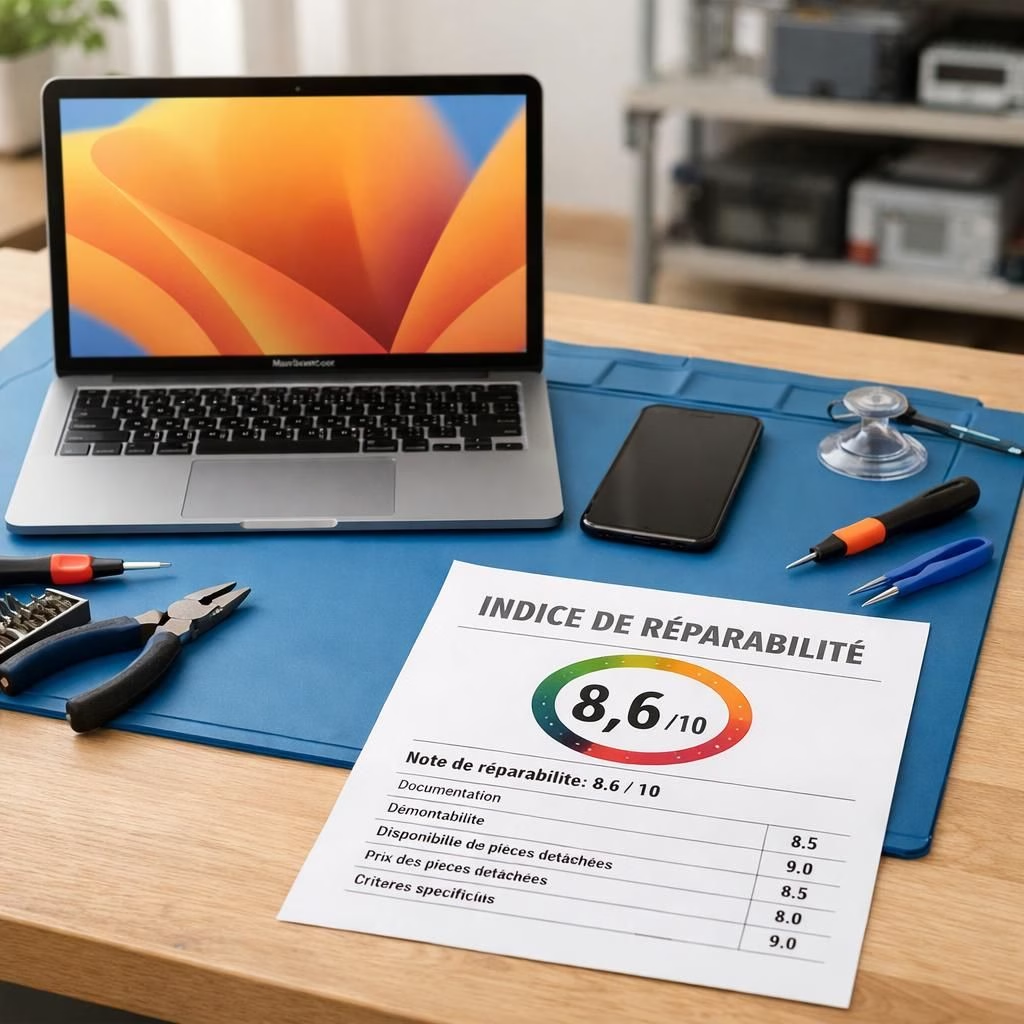
Repairability is no longer niche chatter; in 2026 it sits squarely in everyday gadget talk. This piece breaks down PIRG’s latest release and translates it into practical takeaways for shoppers. The idea of Tag B isn’t just policy talk—it influences what you can fix, how easily, and how long a device stays useful. The goal is to make repairability as clear as battery life and screen specs, with real-world guidance you can act on.

Repairability Spotlight: The Right-to-Repair Path to Better Devices
The analysis blends a French-style score with the hands-on work of disassembly. It weighs physical ease of entry and how clearly repair steps are shared. The scoring includes a 0.5-point deduction for each company membership in TechNet or the CTA—clear signals of lobbying against certain Tag B reform efforts—and adds 0.25 points for each reform piece a manufacturer has publicly supported in the past year. The result is a candid view: this isn’t about brand drama; it’s about how DIY repair enthusiasts mend devices.
Apple leads the laptop pack largely because its disassembly scores lag the field. Dell and Samsung also face penalties under the same scheme. Lenovo sits near the bottom for similar reasons and for missing PDFs that explain the French scores for several laptops sold in France. The report notes that last year Lenovo flunked for missing data on at least a dozen laptops. A spokesperson cited a backend issue that limited the display, but the problem persisted into this year. Such data gaps matter because they affect quick, confident device comparisons.
Right-to-Repair Realities and Repairability: A Brighter Gadget Future
On the hardware side, tangible progress is visible. Users are gaining access to spare parts, tools, and repair information, which lowers the barrier to fixing devices at home or through independent shops. Manufacturers are experimenting with modular designs, easier disassembly, and clearer repair workflows. Some ecosystems still gate functions behind software checks or pairing rules. EPREL, created in 2025 by the European Commission, remains a key reference for device documentation and updates. The report notes that two major brands scored poorly in EPREL scores for phones, with issues around updates reaching older models. They did show movement in areas such as moving away from code-based lockouts and introducing a dedicated repair assistant. Yet the broader problem persists: parts compatibility and software locks continue to hinder repair across the industry. This reminds us that tech is a team sport, not a solo coding jam.
For consumers, the path forward is practical. Look for devices with clear PDFs of repair guides. Check whether the manufacturer documents disassembly steps. See if spare parts are readily available. When possible, favor designs that offer a longer support window and avoid gates that require encrypted checks for basic repairs. The 2026 report frames a hopeful trend: more openness and transparency than before, even if real-world fixability varies by model and region.
In the end, the landscape is gradually tilting toward more repair-friendly devices, even if the pace differs by brand and market. The improvements are real: easier access to parts, clearer repair resources, and designs that invite hands-on maintenance. The core message remains: devices with practical repair options benefit users, independent shops, and the environment.
Original article: US PIRG Education Fund: Failing the Fix (2026) — a sincere thank you for the thoughtful reporting and the material that inspired this piece.
What do you think? Share your thoughts in the comments below and let’s keep this Tag B conversation rolling.
Practical checks for repairability
- Look for devices with clear PDF repair guides and documented disassembly steps.
- Verify spare parts availability from official channels or authorized resellers.
- Prefer modular designs that separate components for easy replacement.
- Check the device’s software approach to repairs and updates (avoid systems that lock parts behind encrypted checks).
- Consider the product’s promise of a longer update and repair window when shopping.
FAQ
- What does PIRG’s Failing the Fix score measure?
- It blends a French repairability index with practical disassembly data, applying penalties for certain industry associations and adding points for public support of repair-friendly legislation in the past year.
- Which devices tend to be easiest to repair?
- Devices with modular components, widely available spare parts, and clear official repair documentation typically score higher on repairability.
- How can I check repairability before buying?
- Look for official PDFs and manuals, verify parts availability, and review any independent repairability scores or guides the manufacturer makes public.
References
- Ars Technica coverage: Apple has the lowest grades in laptop and phone repairability analysis.
- EPREL (European Product Registry for Energy Labelling): EPREL portal.
- US PIRG Education Fund: US PIRG Education Fund.
- Original source linkback: https://arstechnica.com/gadgets/2026/04/apple-has-the-lowest-grades-in-laptop-phone-repairability-analysis/