

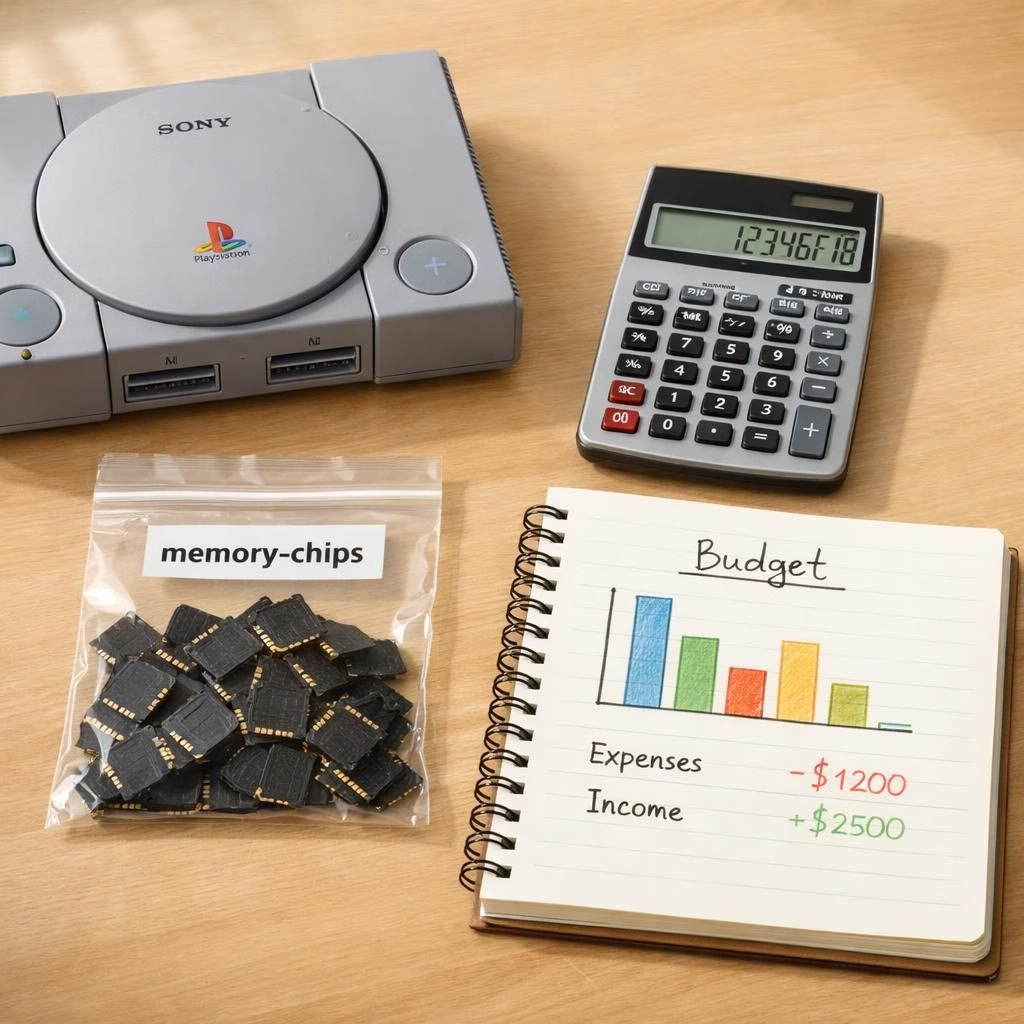
PS6 and memory-chips are not just buzzwords; they frame the latest chatter about Sony’s next PlayStation, fueled by Bloomberg’s note that the PS6 might slip to 2028 or 2029 due to a global memory-chips shortage driven by AI demand. If this shakes out, the PS5 era could outlast its typical seven-year cycle by a comfortable margin.
PS6 delays amid memory-chips crunch
Bloomberg’s report keeps the rumor mill spinning. It suggests Sony is rethinking its timeline as the memory-chips shortage persists. The core driver is AI’s growing demand for fast memory in data centers. AI demand fuels the memory-chips crunch and pulls DRAM capacity away from consoles, laptops, and phones. The result is higher DRAM prices and thinner inventories for gaming gear. All this could push PS6 scheduling changes from rumor to reality.
memory-chips are not a one-trick pony. Major players—Samsung Electronics, SK Hynix, and Micron Technology—have ramped up output for AI-focused memory. This is profitable, but it comes at the expense of regular DRAM suitable for gaming hardware. The consequence is a tighter supply of chips for consoles, laptops, and phones.
What this means for players and memory-chips pricing
For gamers, the most visible effect is a potential price tilt. If the supply chain stays tight, memory-chips costs could flow into consoles. The PS5 generation might extend past the traditional seven-year window, giving players more time to enjoy the current lineup while the next-gen hopes wait in the wings.
Nintendo, not immune to cost pressure, may reconsider pricing or features for its next Switch cycle as contracts renegotiate and materials become pricier. The memory-chips crunch is not a Sony-only story; it’s a broader story about how AI shifts money and margins in the tech economy.
Two perspectives on PS6 timing and the memory-chips market
One view says Sony remains tight-lipped on the PS6 timing, citing supply constraints and strategic timing. The official word will track market conditions and manufacturing realities. The memory-chips market adds another layer of complexity to the timing debate.
The other view says tech players adapt. Sony can adjust hardware features, pricing, and bundles to align with available memory-chips and wholesale costs. In both cases, the AI demand-driven memory-chips crunch shapes decisions more than a single roadmap.
From a consumer angle, this is a test of patience and budgeting. If you expected a 2027 launch, you might still experience a long wait for the PS6. If you planned for memory-chips pricing to drop, you may see only gradual changes as suppliers adjust.
Meanwhile, the gaming ecosystem benefits from clear communication. Developers can plan around a more stable release cadence, while players manage expectations for pricing, availability, and cross-generation compatibility. The evolving memory-chips market invites readers to stay sharp about data-center trends and gaming hardware alike.
In short, the PS6 timeline remains in flux, but AI demand-driven memory-chips shifts are persistent. The supply chain reallocation will continue to influence DRAM pricing, chip fab expansion, and product roadmaps for years to come.
Two practical takeaways: monitor memory-chips pricing and capacity metrics from major suppliers. Stay flexible with game purchases and consider storage upgrades to extend your current setup’s lifespan. The market will adjust, but anticipation can be its own game.
Special thanks to Bloomberg for the original reporting. Original article: Sony PS6 delay and memory-chip shortage (Bloomberg).
Tell us what you think in the comments below — how do you plan to budget for memory-chips and a potential PS6 delay?
Two practical takeaways for gamers
- memory-chips pricing and capacity metrics from major suppliers can guide your budget decisions.
- Stay flexible with game purchases and consider storage upgrades to extend your current setup’s lifespan.