

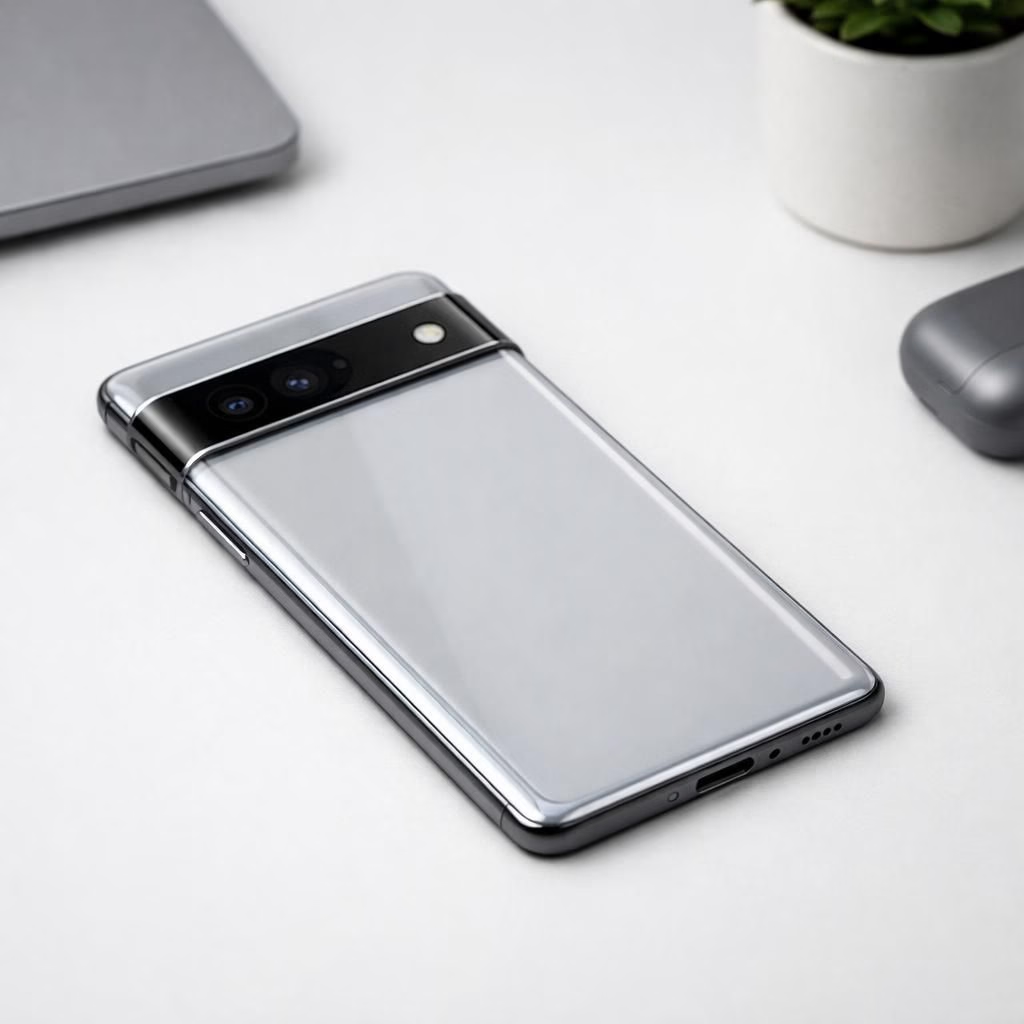
Pixel 11 Pro fans and gadget watchers have been buzzing about the latest leaks. The chatter centers on the all-glass camera bar and the thinner body, signaling a measured evolution rather than a radical overhaul. The core truth is simple: the look refreshes the familiar feel, while the user experience will hinge on grip, responsiveness, and durability. This is design language at work, reassuring fans while inviting curiosity about what’s next.
Pixel 11 Pro and the camera bar makeover
On the hardware front, the device leans into flatter photography hardware, which should reduce accidental smudges and improve the back’s visual balance. The all-glass camera bar around the camera reads as a premium touch that catches light and elevates the phone’s presence. Slim bezels expand the display area, enhancing immersive video and reading experiences. The rumor mill emphasizes continuity over chaos: fans who loved the previous look will likely feel at home with this one, and that emotional continuity matters in a crowded market. The takeaway is not a new face but a refined, confident silhouette.
There are practical implications too. A thinner frame tends to trade a bit of heft for pocketability, while the glass treatment can influence heat management and daily wear. Executives behind the wheel often stress a balance between aesthetics and practicality, and this iteration appears tuned for that balance. If you upgrade from an older Pixel or from a different brand, you’ll notice the more comfortable grip and the lines that echo the front display’s symmetry. In other words, the phone looks complete without shouting for attention.
Pixel 11 Pro camera bar: A closer look
The back housing reshapes the camera’s line of sight, reducing the perceived bulk while keeping the camera bar module protected. The design hints at better lens alignment and potential improvements in stabilization under mixed lighting, which matters for both photography and video. The construction suggests confidence in everyday life: the glass meets the frame with a tidy seam, and the metal edge feels sturdy when you pick the device up from a table. For tech enthusiasts who enjoy the CAD renders, the high-detail diagrams reveal spacing, screw placement, and the thoughtful tang of the seam between materials. In short, the look trades a hint of ostentation for grounded polish, a stance that says you’re serious about performance and longevity.
- Display: expected high refresh rate and refined edge to support vivid content without overpowering the design.
- Battery and performance: balanced to support the camera system and software features without compromising day-to-day use.
- Durability: refined framing and glass back aim to deliver a confident grip and a resilient feel in real-world use.
What does this mean for everyday users? A device that feels modern without shouting for attention, with a silhouette that slides easily into pockets and bags. A bigger display area translates to more comfortable reading and more immersive video playback, while the camera experience remains a central feature that many buyers prioritize. The build quality appears tuned for long-term use, with attention paid to the transition points between glass and metal that hardware folks notice during a hands-on session. The bottom line is simple: this is a thoughtful upgrade, balancing aesthetics, ergonomics, and practical performance for daily life in 2026.
Two quick cautions to keep in mind: you’ll want to keep the back clean enough to preserve that premium look, and the slimmer frame can limit battery capacity slightly. That said, software efficiency and adaptive performance can compensate, providing a smooth experience with solid longevity across software updates. Leaks are signals, not certainties, and the final product could refine any rough edges. The big message is optimism: a design language that respects user habits while nudging them toward a refined, reliable daily driver.
If you’re deciding whether to upgrade now, consider how much you value pocketability, display immersion, and a camera system that remains a centerpiece. The leak set points to a device that blends a familiar identity with a touch more refinement, and that balance often translates into real-world satisfaction for a broad audience. Share your thoughts in the comments below: what matters most to you in this next Pixel cycle, and how do you feel about a slimmer silhouette paired with a premium camera bar module?
Linkback attribution: Special thanks to the original coverage. For attribution, read the original reporting at 9to5Google: Pixel 11 Pro leaks. Thank you to 9to5Google and partners for the baseline coverage from 9to5Google, CNET, Android Headlines, The Verge, and Android Authority.
Pixel 11 Pro and camera bar FAQ
-
What makes the Pixel 11 Pro’s design practical for daily use?
The refined silhouette and the camera bar integration contribute to a comfortable grip and resilient feel, while the sleeker body supports easier one‑handed use and pocketability.
-
Will the camera bar affect durability or heat management?
Yes, the combination of a sturdy frame and an all‑glass back is aimed at balanced heat distribution and long‑term durability; the camera bar is designed to withstand daily handling without compromising protection.
-
Should I upgrade now or wait for a later Pixel 11 Pro release?
Consider your needs for pocketability, display immersion, and camera priorities. If you value the refined camera bar experience and a more mature design, this iteration offers meaningful polish.
External sources for broader context: The Verge coverage, CNET overview, Android Authority renders.