

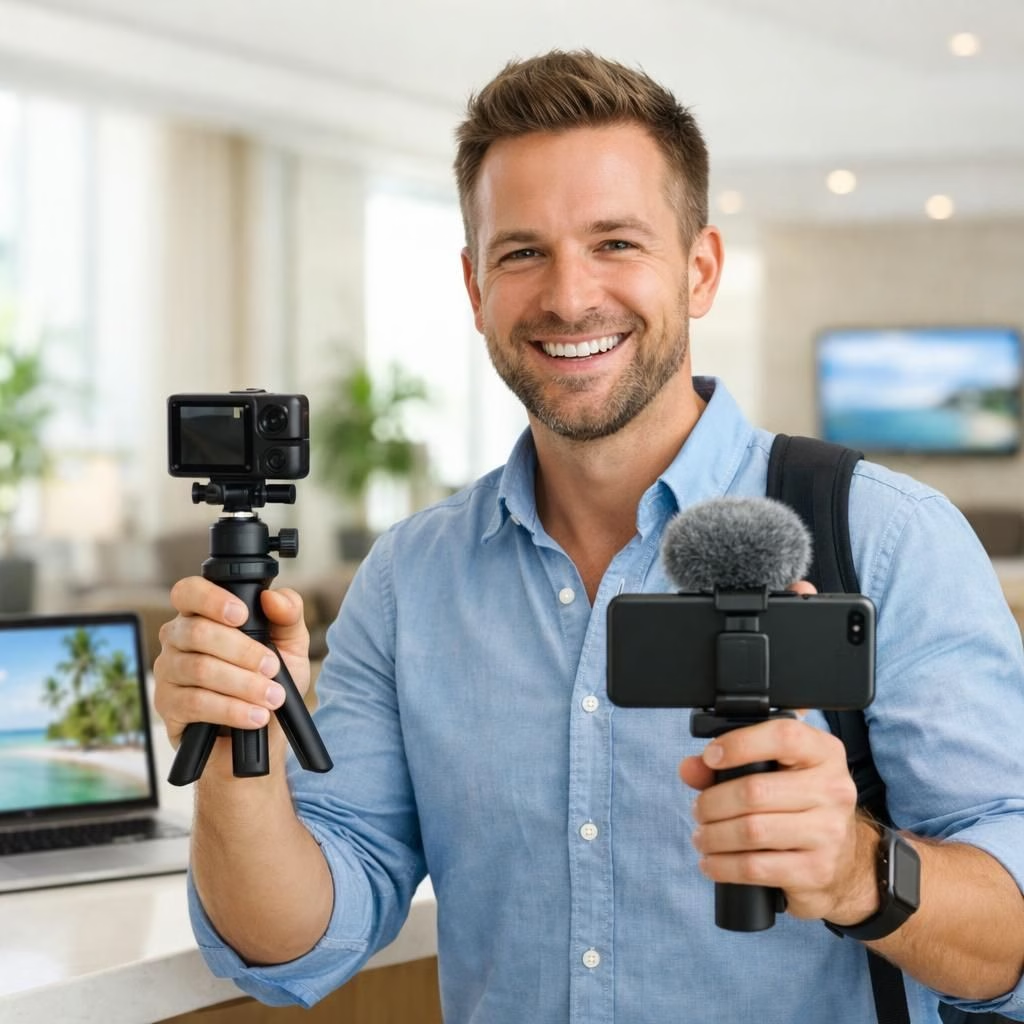
Welcome to a sunny, slightly cheeky tour of how content-creation and cross-platform storytelling are reshaping travel on screen. NAB Show 2026 spotlights the creator economy, with sessions that treat ideas like indie bands trying out a major label, and demo booths that feel like a tech-forward flea market. The big joke is that you can build a brand that travels with you—from pocket-sized videos to a TV slot—without losing your voice or your sense of humor.
One of the anchors in this year’s coverage is Jefferson Graham, the Los Angeles writer-photographer behind PhotowalksTV and a familiar face on Scripps News. He is planned to headline the session, titled roughly, From YouTube to TV (and Back): Building a Cross-Platform Content Brand, scheduled for Monday, April 20, 2026, in Room 239/241 at the Las Vegas Convention Center. The aim is to unpack how he built a cross-pollinated career by translating a YouTube travel channel into a half-hour TV show while keeping the DIY energy that drew audiences online in the first place. The math is simple but surprisingly sly: repurpose footage, repackage stories, and lean on a strong core narrative that travels across formats.
content-creation: From travel clips to traditional TV segments
In his transition, Graham notes that TV imposes strict timing: a half-hour block splits into 11-, 7-, and 4-minute segments. He advises teams to shoot extra material so episodes can be stitched together smoothly under time pressure. On YouTube, the focus was on visiting stunning spots and guiding viewers to photo-ready angles; on TV, the vibe shifts to a traditional travel show shot with a phone and short photo tips at the end of each episode.
The behind-the-scenes world includes legal and technical differences. Graham uses royalty-free music for YouTube but recognizes rights issues when moving to television; when he lands a deal with Scripps, he often must recut older material and start with new soundtracks, sometimes recording a personal soundtrack with his guitar or enlisting a pianist for driving cues. The point is clear—copyright culture matters even when the tone stays friendly and fun.
cross-platform storytelling: YouTube, Scripps, and the studio hub
Graham confirms the half-hour Photowalks on Scripps News air at 10:00 AM Eastern on Sundays, with a replay at 10:00 PM and a late-week encore on local Scripps affiliates. He argues that aspiring creators should experiment with their program strategy in YouTube to catch the attention of local TV stations. The lesson is simple: use every available channel, post vertical clips, conduct longer interviews, and repurpose material for social feeds and streaming windows. Be flexible about how stories appear across screens, because audiences migrate to where you publish them. This cross-platform approach can help you reach diverse audiences without losing your distinctive voice.
There is a practical cadence to this approach. The plan is to shoot robustly, edit bravely, and distribute widely across local and national channels. On the ground, Graham describes how a travel piece can become a shared project across the Scripps network, producing a geography of collaboration: a San Diego reporter shooting vertical content, a Cincinnati station featuring local voices, and viewers getting a consistent voice from a single author. Since the fall of 2024, more than 70 episodes found homes on Scripps, and the cross-platform relationship has been lucrative for both sides.
For those who want to join the NAB Show conversation, registration is easy at the official NAB Show site. The broader message here is not just about monetization but about storytelling discipline: plan for cross-pollination of formats, understand copyright boundaries, and stay curious enough to try new presentation styles. The future of travel programming looks less like a single channel and more like a network of listening posts that meet at a common storytelling table. Whether you host a travel camera, a phone, or a full studio rig, the core idea remains the same: tell stories that look and feel like you.
I invite you to share your thoughts in the comments below and tell us how you approach content-creation and cross-platform storytelling in your own work.
Original article: Thank you to the original source for material. You can read the detailed NAB Show coverage and Jefferson Graham’s journey at https://www.tvtechnology.com/business/partnerships/nab-show-from-youtube-to-tv-and-back-building-a-cross-platform-content-brand. We appreciate the author’s insights and the generous sharing of experience that inspired this rewrite.
Practical steps for content-creation across platforms
1. Audit your existing footage – take stock of what you have in YouTube uploads and free stock libraries.
2. Create a cross-platform distribution plan – outline how each piece will live on YouTube, social clips, and TV-ready edits.
3. Preserve a consistent voice – write and present in a way that feels like you across formats.
4. Shoot for flexibility – capture b-roll and alternate takes you can reuse as shorter clips.
FAQ for creators moving between YouTube and TV
- Q: What does “cross-platform” really mean for a travel channel?
- A: It means adapting stories to fit different screen sizes and viewing paths, while keeping the core voice intact.
- Q: How should I handle music rights when reusing footage?
- A: Use royalty-free tracks for initial online work, and secure clearances or original music for broadcast. The latter may require re-editing.
- Q: Do I need a formal TV deal to succeed on multiple platforms?
- A: No, but having a plan to repurpose content and nudge it into TV-friendly formats can expand your reach.
Conclusion
The future of travel programming will look less like a single channel and more like a network of listening posts that meet at a common storytelling table. The core idea remains the same: tell stories that look and feel like you. If you’re ready to experiment, NAB Show is a good place to start.