

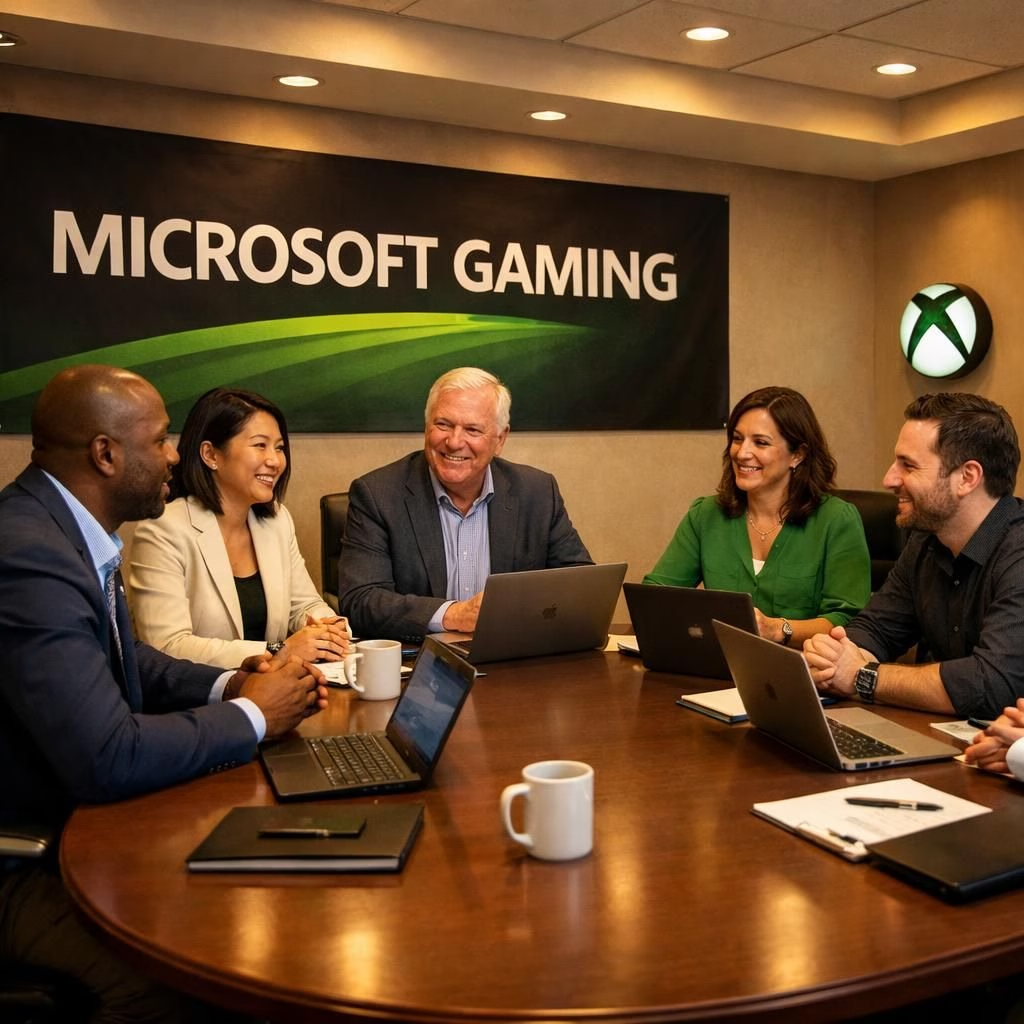
In 2026, Microsoft Gaming unveils a leadership reshuffle that catches the eye of players and analysts alike. Asha Sharma steps in as the new head of Xbox, guiding a portfolio that includes the console, the studios, and a growing cloud ambition. The changes signal a deliberate shift to AI-powered workflows, stronger studio autonomy, and a renewed focus on playability across devices. This moment signals Microsoft Gaming embracing Xbox with a sense of humor, humility, and high expectations.
Microsoft Gaming leadership shakeup in 2026
The news cycle framed the changes as a draft of the next era. Phil Spencer announced his retirement, and the company stressed continuity rather than chaos. Sharma moves in as EVP and CEO of Microsoft Gaming and lines up as the new Xbox boss. Sarah Bond will depart Xbox, making room for a flatter, faster decision loop. Matt Booty, long a shepherd of creative teams, shifts toward a new AI-enabled executive role designed to accelerate tooling and process across studios. The storyline is not just about titles and numbers; it is about how Microsoft Gaming plans to pair business discipline with creative freedom.
Xbox strategy and culture under Asha Sharma
Under Sharma’s leadership, Xbox aims to blend platform strength with developer-friendly practices. The focus remains on exclusive experiences, cloud play, and accessible pricing, while AI helps tailor the experience to players’ tastes. The culture shift emphasizes speed and clarity, avoiding meetings that feel longer than games. For developers, the new leadership promises better tooling, more transparent roadmaps, and fewer political hurdles when bringing a new title to life. For players, the payoff is quicker updates, more cross-platform parity, and a sense that Xbox remains open to experimentation.
What Sharma brings to the Xbox ecosystem
Sharma’s background in operations translates into practical improvements. She has a track record of steering large teams through complex launches while keeping the customer at the center. Expect sharper campaign planning, tighter partnerships with studios, and a more coherent cross-device strategy. Sharma’s approach favors outcomes over headlines, which should translate into more consistent launches and fewer empty promises. Fans can anticipate a more integrated ecosystem across Xbox hardware, software, and services.
Impact for developers and players in the Xbox ecosystem
Developers win when policy is predictable and communication is direct. Sharma’s leadership promises clearer funding alignment for projects that matter, smoother paths from concept to release, and fewer surprise detours. For players, the result should be better frame rates, stable online services, and more creative risk-taking from studios under Microsoft. The incoming leadership recognizes the tension between quarterly numbers and long-term value, balancing the need for quick wins with the push for enduring franchises. The Xbox brand may gain a stronger sense of personality without sacrificing accessibility.
Additionally, the AI initiative, framed as an enabler for creators, could help studios automate repetitive tasks, expedite QA, and free designers to focus on fun. The strategy includes expanding cloud-based play to reach more hardware, reducing friction for cross-play, and ensuring accessibility remains a core principle. In short, Microsoft Gaming aims to keep Xbox relevant in a world where streaming, subscriptions, and ever-shifting hardware curves drive consumer decisions.
All these moves come with some risk. Leadership change can rattle teams and partners, but Sharma’s appointment signals a deliberate, transparent approach. The shift away from a single charismatic figure toward a multi-leadership model may slow decision cycles briefly, but it should improve resilience and accountability. In an industry that prizes speed, this is a bet on sustainable growth and healthier partnerships across publishers, developers, and gaming communities. Expect regular updates, not grand speeches, and expect a more responsive Xbox under the umbrella of Microsoft Gaming.
What do you think about the 2026 leadership reshuffle at Microsoft Gaming and the changes in Xbox leadership? Is this the right mix of AI, openness, and pace to keep Xbox competitive? Share your thoughts below and join the discussion.
Source attribution and thanks: Special thanks to The Verge for reporting on the leadership changes at Microsoft Gaming and Xbox in 2026. Original article: Read Microsoft gaming CEO Asha Sharma’s first memo on the future of Xbox. Thank you for the original source material.
External context
FAQ for Microsoft Gaming and Xbox
- Q: What does Sharma’s leadership mean for Xbox updates?
- A: It aims for more predictable cadences, clearer roadmaps, and faster iteration across devices while keeping Xbox accessible.
- Q: Will cross-play and cloud play improve under this plan?
- A: The goal is to expand cloud-based play, reduce cross-play friction, and support broader device compatibility.
- Q: How does AI fit into the Xbox strategy?
- A: AI is positioned as an enabler for creators, speeding tooling, QA, and workflows, not replacing human insight.
- Q: Is this change likely to slow down new releases?
- A: The aim is to balance speed with long-term value, improving resilience and accountability while avoiding empty promises.
Conclusion: what this means for players and developers
In a landscape that blends streaming, subscriptions, and shifting hardware, the 2026 leadership reshuffle signals a continued commitment to Xbox‘s core strengths: cross-device play, strong partnerships, and a clear development path. For developers, the emphasis on transparency and tooling should reduce guesswork. For players, updates may come more reliably, with a growing emphasis on accessibility and experimentation under Microsoft Gaming.
Conclusion and what’s next for Microsoft Gaming and Xbox
The path ahead blends ambition with practicality. If the new leadership maintains a steady rhythm, Xbox could push for bolder exclusives, improved cloud parity, and a sharper focus on player-centric experiences across devices. Expect ongoing dialogue with studios and communities as the strategy evolves.