

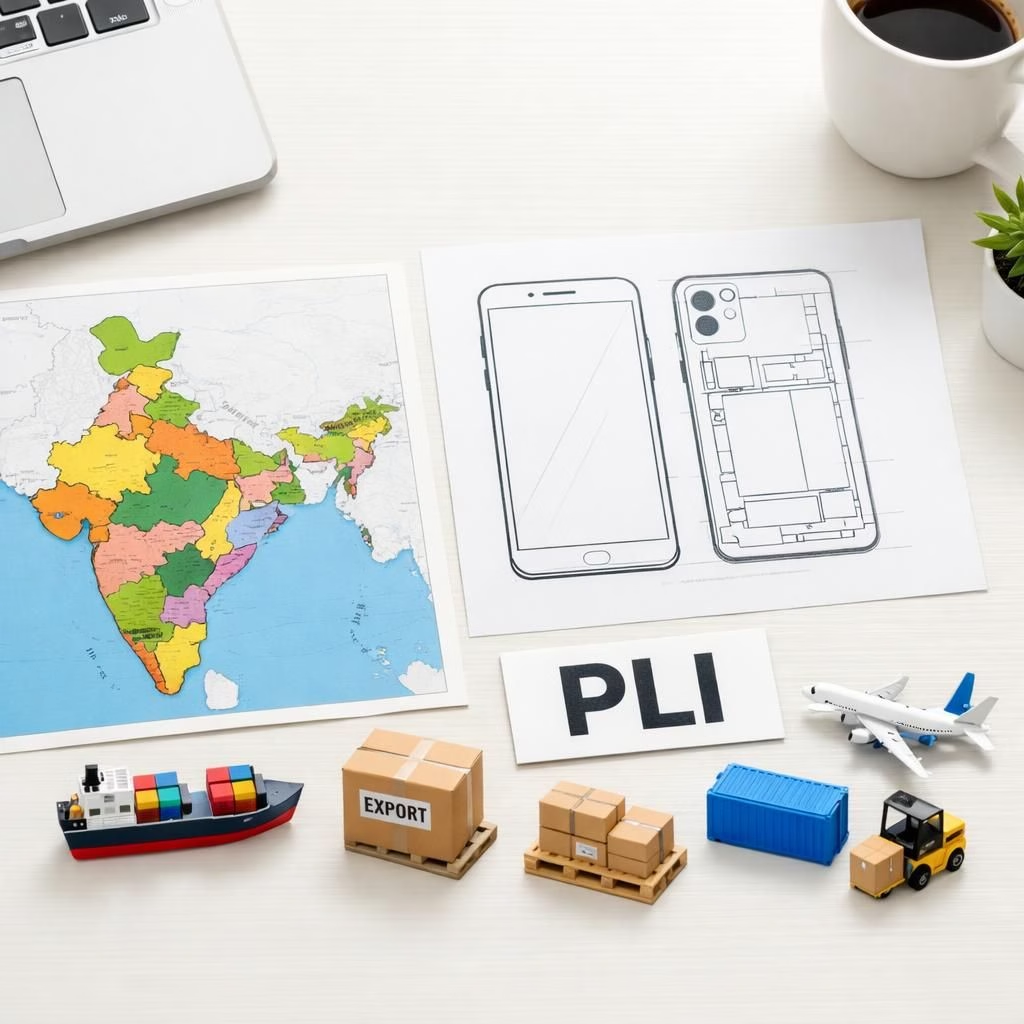
India plots a bold pivot for its flagship PLI scheme in smartphones. The aim is to reward exports and deeper domestic content, not just more units. Bloomberg reports the revamped plan ties subsidies to how much a device is made in India and how far it ships abroad. The shift moves away from a volume focus to value and reach.
India Leads the PLI Push for Smartphones
The original PLI prioritized boosting local assembly and meeting domestic demand. Officials say the plan largely hit that target. Now the focus shifts up the value chain beyond screwdriver assembly. The new design ties subsidies to local content and export performance. Incentives would be tiered, rewarding devices with higher Indian content and bigger overseas shipments.
For devices that source camera modules and display assemblies in India, subsidies could rise. The strongest rewards go to phones that both ship overseas and maximize local input. In short, policymakers want a better balance of local jobs and global reach.
Smartphones Local Content and PLI Focus: India at the Forefront
Apple plays a central role in this story. Foxconn and Tata Electronics currently account for a large share of India’s smartphone exports. Apple uses those partners to ship many U.S.-bound iPhones from India. The revamped scheme could deepen these relationships and broaden opportunities for other suppliers.
Samsung also benefits under the current PLI scheme and should figure prominently again. The government signals a push to pressure Chinese brands such as Oppo, Vivo and Xiaomi to do more than domestic manufacturing. They are invited to raise localization and expand exports.
The policy design remains a moving target, still refined in inter-ministerial talks. The direction is clear, though: more value from domestic content and more exports from India. Expect higher thresholds for localization and clearer metrics for export performance.
What does this mean for the ecosystem and consumers? Indian suppliers can gain from more predictable demand, faster innovation, and better jobs. Global brands may adjust prices or product mixes as the policy evolves. Consumers could see more options with stronger local sourcing and resilient supply chains.
From a policy perspective, the shift aims to deter overreliance on a few imported modules. The plan tries to nurture a diversified, Indian-led supply chain. It also seeks to keep India competitive for global brands facing a crowded market. If successful, the PLI overhaul could reduce vulnerability to global disruption and bring some pricing discipline to the sector.
Timeline-wise, the policy is under inter-ministerial review. The exact incentive size, budget, and thresholds could move before final approval. The direction, however, is set: a more export-oriented, locally rooted smartphone industry by 2026 or beyond.
What this Means for the Ecosystem and Consumers
The policy could deliver more Indian jobs, more supplier bounce, and more device variety. It could shift where phones are assembled and shipped. Some prices may shift as manufacturers adjust. But the overall goal remains clear: strengthen India’s position as a major handset exporter while expanding domestic value.
Nevertheless, skeptics warn about potential costs and the risk of fragmented supply chains if localization thresholds are too aggressive. Proponents counter that a well-calibrated incentive scheme can lift domestic capabilities without breaking the consumer budget. The truth will emerge as the policy unfolds in the coming months.
Thanks to Bloomberg for the original reporting and context that helped shape this summary. Original article: Bloomberg coverage on India PLI overhaul.
FAQ about the revamped PLI for smartphones
-
When will the revamped PLI start?
Detailed timelines are still under inter-ministerial review. Final dates and thresholds will be announced after approvals.
-
Which brands benefit under the PLI framework?
Apple and Samsung are expected to be primary beneficiaries given their local partnerships. Other major suppliers may gain through expanded localization and exports.
-
How will localization be measured under the PLI scheme?
Metrics are likely to include the share of components sourced in India and the value of exports from India for each device.
-
Could consumer prices rise because of the PLI changes?
Prices could be influenced by supply chain shifts, but the aim is to preserve affordability while boosting local content and resilience.
References
- Times of India: India prepares to add new incentives in its flagship PLI scheme for smartphones
- Bloomberg coverage on India PLI overhaul
- DPIIT: PLI scheme overview