

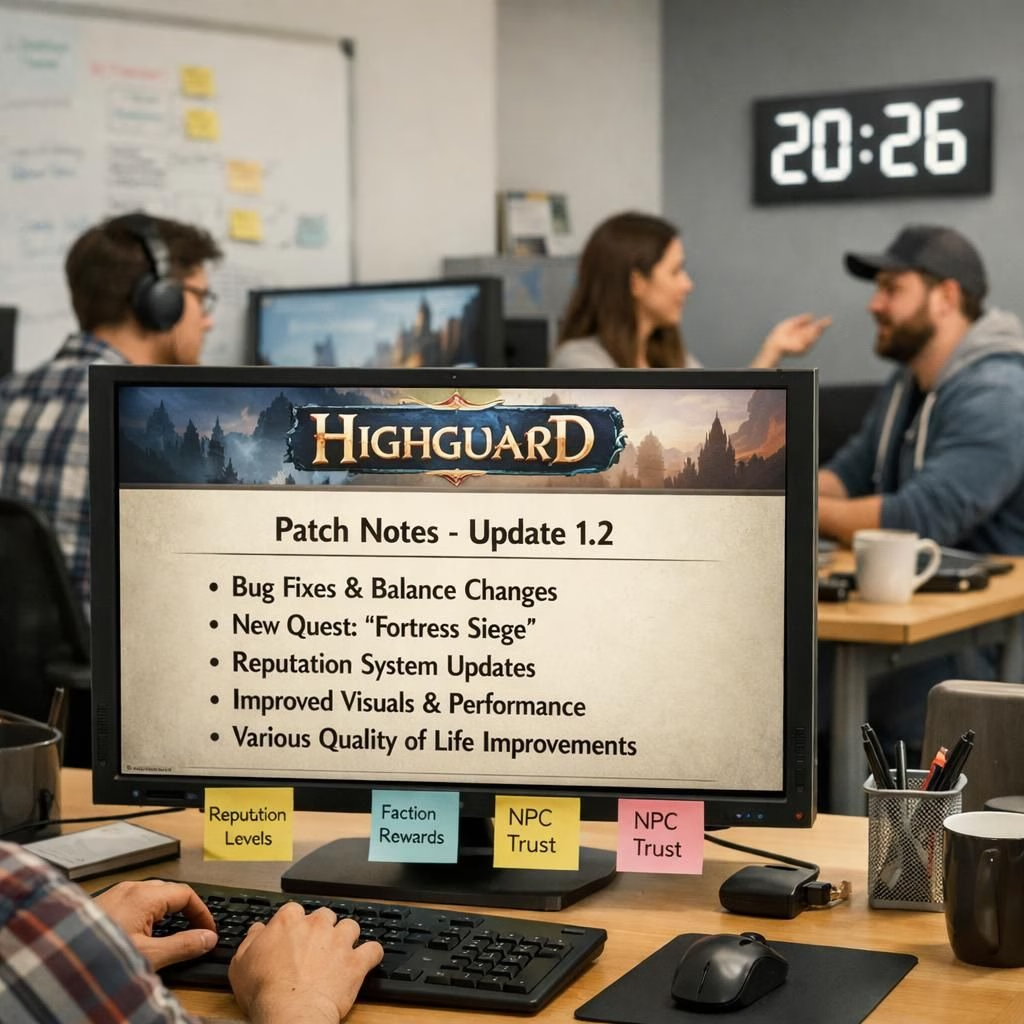
Highguard faces a tough test of reputation as downtime drags on. A recent patch attempt knits fixes together, but some teams still call the disruption a low priority moment. The real story is about how Highguard handles the press, players, and the clock in 2026. This piece keeps that core truth intact while adding a dash of hopeful humor and practical insight.
Highguard reputation and patchwork resilience
Readers watch a patch evolve in plain sight. When the patch arrives, the team communicates in real time and the community stays engaged. The patch cadence matters, and so does honesty about what remains to fix. The result can strengthen reputation when the fixes tick off on the board and the team shows progress. The narrative also underscores how Highguard treats user feedback as a feature, not a nuisance, which in turn bolsters the reputation of the studio among fans and critics alike.
Reputation recovery: Highguard’s practical patch playbook
Here is the playbook in brief: identify, fix, test, report, and repeat. The patch must address the root cause, not just a surface symptom. A calm, transparent approach can protect reputation even as problems persist. The audience respects candor and clear milestones more than grand promises, so the team leans into visible progress as a core habit that strengthens reputation.
Highguard strategy for reputation management during downtime
Downtime tests trust. A patch that lands with clear notes and visible results builds a bridge to players. The community responds to concrete timelines and visible testing. The team uses this moment to show learning in action, turning a crisis into a teaching moment for its reputation. The approach is less about heroics and more about steady, verifiable improvement, which ultimately supports the Highguard brand and its standing among stakeholders.
Patch cadence, layoffs, and the human element
News coverage anchors the human side: staffing changes ripple through product momentum and the studio’s reputation. The BBC notes workforce shifts that echo across product momentum, while The Verge highlights internal moves that can either erode or reinforce trust. The thread is simple: patch fast, communicate clearly, and honor the craft that sustains the reputation over time. In practice, this means tradeoffs between speed and depth, always guided by a respect for players and a willingness to learn from missteps.
Inside the narrative, readers see how external coverage interacts with ongoing development. The human element matters as much as the code base, and investors watch how teams balance speed with depth.
What we learn for developers and publishers
Two things matter most: patch quality and patch speed. A patch that promises everything but fixes nothing damages reputation. But a patch followed by honest updates and real improvements can reinforce Highguard‘s standing. The article emphasizes practical steps: set honest expectations, publish regular progress notes, and avoid overpromising. When Highguard approaches downtime with a plan and a respectful tone toward players, reputation grows one verified fix at a time, and trust becomes a tangible asset you can see in player sentiment and log data.
Finally, the narrative invites readers to weigh in. Share your perspective on patch quality, patch speed, and how a studio rebuilds trust when the clock is against them. Your voice helps shape the ongoing story of Highguard and its reputation.
Original reporting and inspiration come from the reported pieces linked here. Special thanks to Eurogamer for the lead coverage and the excellent foundation for this discussion. Your original reporting is appreciated.
Internal context
- Highguard layoffs at the studio — context from Game Informer coverage.
- Developer reflections on ill-fated launch — Eurogamer perspective.
- Highguard patch update overview — patch cadence and reception.