

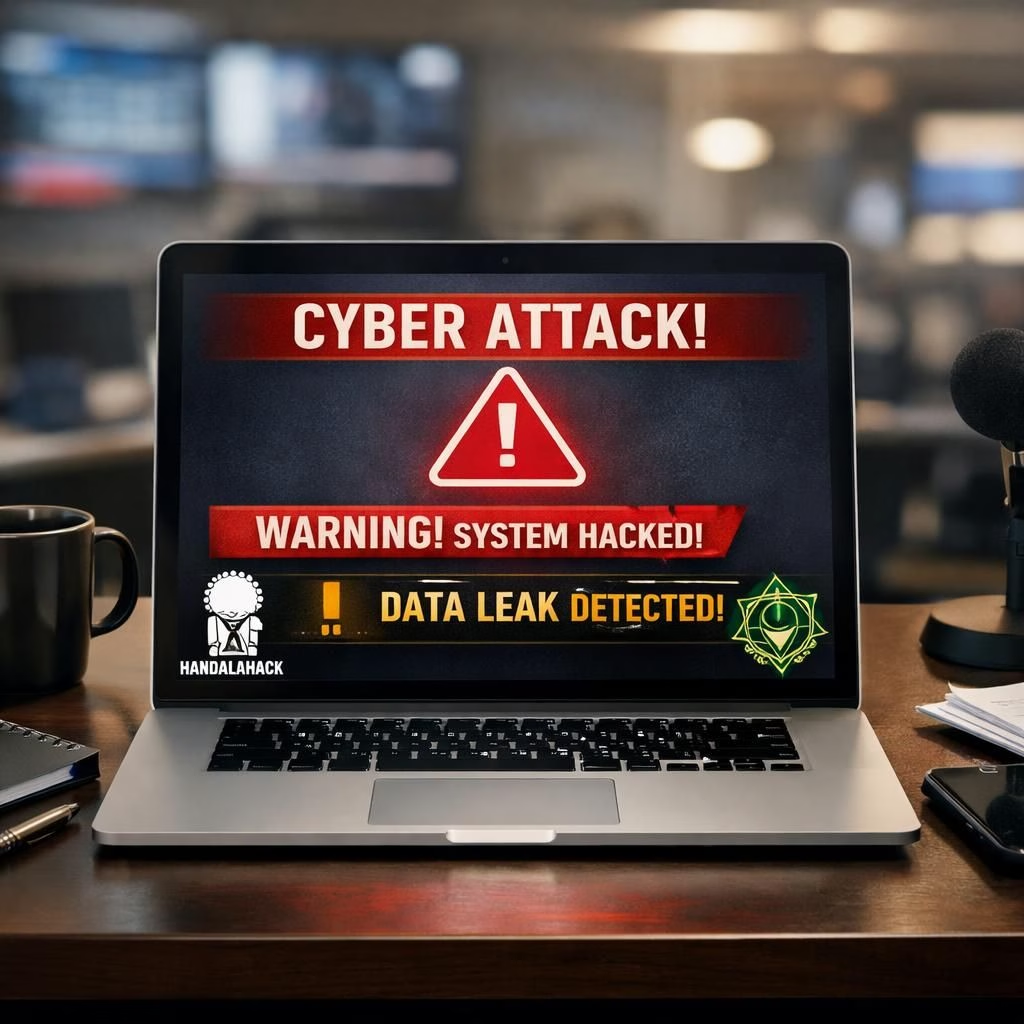
HandalaHack re-emerged just one day after the FBI and DOJ seized four domains tied to its MOIS-linked network. The move shows that digital protest rarely ends with a takedown. HandalaHack and MOIS may joke about the setback, but resilience outpaces takedowns.
HandalaHack and MOIS: A modern cybersecurity parable
Shortly after the March 19 announcement, authorities described the four seized domains — Justicehomeland[.Jorg, Handala-Hack[.Jto, Karmabelow80|.Jorg, Handala-Redwanted[.Jto — as tools used by the MOIS to conduct psychological operations. The HandalaHack Team claimed credit for hacks, posted stolen data, and urged violence against journalists and dissidents. The MOIS angle is not new, but the audacity of the online theatre is striking: seize a few corners of the web, and watch HandalaHack attempt to rebuild on another domain in hours. This is a reminder that MOIS-backed actors have a playbook that includes disinformation, data dumps, and loud calls for action, all crafted to shape sentiment rather than to win a conventional battle.
What HandalaHack, MOIS teach us about resilience and disinformation
Cybersecurity experts have warned that such takedowns are routine for HandalaHack‑linked actors, and HandalaHack’s appetite for rebranding is notorious. Ari Ben Am, an analyst at the Foundation for Defense of Democracies, notes that HandalaHack has endured dozens of domain takedowns, Telegram channels, and X accounts — and that recovery is often “trivial” and fast. The lesson for defenders is not to panic when a domain vanishes; the goal is to disrupt operational capability and to reduce the impact of disinformation, not to pretend that a single seizure solves the problem. For readers, the takeaway is to maintain healthy skepticism: if HandalaHack can bounce back overnight, it is a reminder to scrutinize sources, verify data, and follow credible security researchers rather than sensational headlines.
In practical terms, organizations should invest in multi-layer defenses, including domain monitoring, rapid incident response, and robust information hygiene. The MOIS case also underscores the need for international cooperation in cyberspace, and for clear norms about disinformation that can help journalists and dissidents stay safer online. The bottom line is this: seizures of a few domains are important but only a piece of a larger puzzle—one that involves resilience, accountability, and transparent reporting.
Original article: Reuters coverage.
Practical steps for defenders against HandalaHack and MOIS
- Adopt multi-layer defenses, including domain monitoring, rapid incident response, and information hygiene.
- Set up domain watchlists and automated workflows to minimize downtime after seizures.
- Coordinate with international partners to share indicators of compromise and disinformation signals.
- Train staff and journalists to verify data sources and recognize manipulation tactics from MOIS-aligned campaigns.
FAQ: HandalaHack, MOIS, and domain seizures
- What is HandalaHack? A cyber actor linked to MOIS activities, known for rebranding and rapid re-emergence after takedowns.
- How do MOIS‑linked groups operate online? They use data dumps, disinformation, and staged claims to influence perceptions and intimidate adversaries.
- What should organizations do now? Build layered defenses, monitor domains, implement fast incident response, and verify information through credible researchers.
- Are domain seizures effective? They disrupt operations temporarily, but actors like HandalaHack often rebound quickly, highlighting the need for ongoing resilience and accountability.
Conclusion: Takeaway and next steps
Seizures of a handful of domains matter, but they don’t solve the broader challenge of cyber-enabled disinformation. For HandalaHack and MOIS, the pattern is clear: takedowns trigger a cycle of rebuilding and rebranding. The practical takeaway for organizations and journalists is to prioritize resilience, rigorous verification, and international cooperation in cyberspace.
References
- Times of India: Website seized and back online
- Reuters article on the seizures and HandalaHack
- DOJ press release on domain seizure