

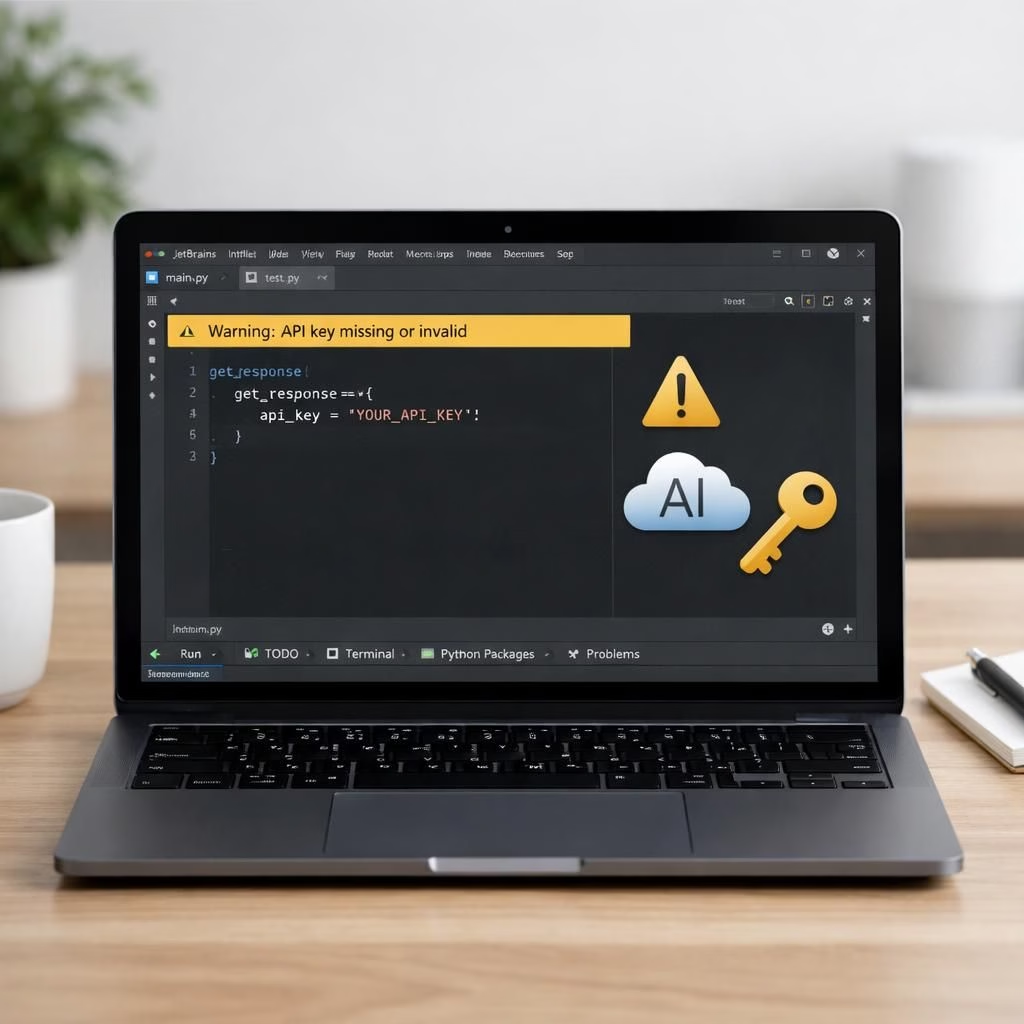
JetBrains Tag B are at risk from a disturbing but solvable reality: some JetBrains marketplace plugins secretly siphon AI service tokens, turning your OpenAI or DeepSeek credentials into treasure for unauthorized use. In 2026, AI security topics aren’t just buzzwords; they’re the difference between a smooth development cycle and a compromised project. If you’re coding in a JetBrains IDE, the temptation to trust every shiny plugin can be strong, but the risk to your Tag B is real—and the stakes are higher than your coffee habit. This is not doom; it’s a reminder that plugin safety belongs in daily code hygiene.
JetBrains API keys: the risk reality in 2026
In recent reports from BleepingComputer, heise online, gbhackers, Hackread, and Techzine Global, a troubling pattern emerges: JetBrains marketplace plugins harvest Tag B tokens used for OpenAI, DeepSeek, and other AI services. Some extensions read project configs, templates, or clipboard data, then quietly exfiltrate tokens. The numbers aren’t abstract: gbhackers.com notes 70,000+ installs linked to AI key theft; other outlets describe similar campaigns. The core truth is simple: a token can slip out if a plugin can read your files or your UI, so safety starts with what you install and where you store Tag B. The takeaway is practical: treat Tag B like precious cargo, and apply AI security thinking to every plugin decision. Plugin safety should guide how you choose and update tools in your JetBrains workflow.
We’re seeing a spectrum of risk signals: unauthorized network requests, odd data flows, and extensions that request extra permissions under vague pretenses. The best defense is a combination of cautious plugin selection and disciplined key handling. The safety win comes when teams rotate Tag B, limit scopes, and separate AI Tag B by project or environment. JetBrains Tag B deserve respect, and by embracing plugin safety, developers keep momentum without inviting surprises into their codebase.
AI security and Plugin safety: practical steps
Begin with marketplace hygiene. Vet plugins before install: examine publisher credibility, recent updates, and user feedback. If something requests unusual permissions or access beyond its stated purpose, pause and investigate. The JetBrains ecosystem has credible advisories, and responsible outlets have mapped several suspicious plugins. Next, enforce smart key management. Do not bake Tag B into code or permanent config files. Use secret managers or environment variables in your IDE and CI. Create per-project or per-environment Tag B with tight quotas and IP restrictions. Rotate keys regularly and enable usage alerts so anomalies don’t slip by. Implement rate limits and token scoping on the service side to reduce blast radius. Finally, cultivate a team culture of security: clarify what counts as a secret, how to handle it in JetBrains workflows, and when to escalate. Plugin safety matters, and every team action strengthens the barrier against leaks.
- Key hygiene: keep Tag B out of code; store them in secrets managers. Strong plugin safety practice means fewer secrets exposed.
- Marketplace vigilance: install only from trusted sources and verify publisher legitimacy. Plugin safety starts with informed choices.
- Monitoring: track Tag B usage, set alarms for unusual patterns, and audit plugin activity. Proactive AI security beats reactive fixes.
- Incident response: rotate tokens, revoke compromised keys, and patch the plugin quickly. Plugin safety is a living process, not a one-off task.
The good news is that the story isn’t doom; it’s a gentle nudge toward safer tooling. Vendors and developers can align on practical safeguards, and the best plugins can coexist with strong AI security practices. The path to safer AI in development is incremental, not dramatic, and it starts with one informed choice at a time. Plugin safety becomes second nature when teams normalize secure workflows in every JetBrains session.
JetBrains Tag B best practices for teams are not magical; they are repeatable. Keep keys out of repositories, use per-team secrets, and prefer ephemeral tokens for CI jobs. Encourage publishers to publish security advisories, and demand evidence of secure data handling in any plugin you rely on. If a plugin fails a basic check, skip it—your workflow will thank you. The discipline of AI security and plugin safety protects both speed and reliability in your development process.
Original reporting and ongoing coverage credit: Malicious JetBrains Marketplace plugins steal AI API keys from developers. A heartfelt thank you to BleepingComputer for the original material that inspired this post.
Have you faced suspicious plugins or tricky AI key handling in your JetBrains setup? Share your experiences and tips in the comments below.
Original article attribution: Malicious JetBrains Marketplace plugins steal AI API keys from developers — thank you for the original material.
JetBrains safety checklist for API keys
Practical guidance for teams working with JetBrains IDEs includes validating plugins, guarding Tag B in CI, and rotating secrets regularly. Use per-project secrets, enforce IP restrictions, and demand credible security advisories from publishers. By treating Tag B as sensitive, you keep projects safer without slowing development.