

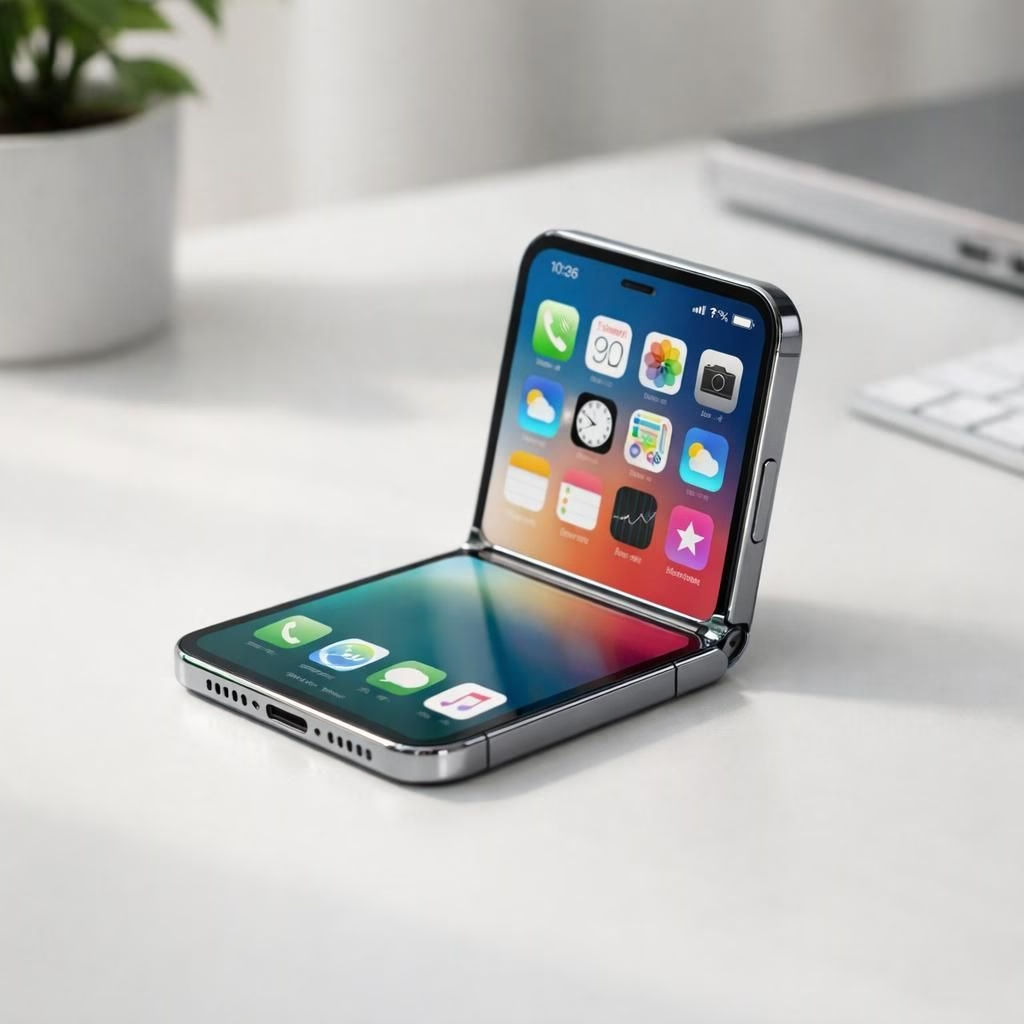
foldable-iphone and iOS-27 are no longer rumor fodder; they signal a concrete plan from Apple to fold the phone into a hinge and a horizon. The iOS-27 concept would adapt the software to a flexible form factor, enabling smarter multitasking and redesigned layouts. In 2026, Apple seems serious about this direction, and the industry watches as engineering teams test a hinge that can survive daily life with coffee spills and dropped notifications.
foldable-iphone: What the form factor could deliver
On the hardware side, the foldable-iphone could switch between a pocket-friendly phone and a tablet-like canvas. The hinge would endure thousands of folds, while seals keep dust out. At an estimated starting price around $2,000, it targets power users who value a single device that adapts to maps, reading, and on-site presentations. A September reveal alongside the iPhone 18 Pro family would anchor Apple’s storytelling and keep the press focused on a hinge-driven future.
The trajectory would push apps to rethink UI and multitasking for a two-screen pose, all while balancing battery life and smooth transitions. Competitors from Samsung and others will keep the competition lively, sometimes joking about creases, but also driving progress in durability and display tech. The foldable-iphone movement could elevate the entire ecosystem toward better multi-display experiences, even if early units show a few quirks.
- What to expect in daily folding usage: durability, battery life, and resilience.
- How apps adapt: resizing, repositioning, and consistent layouts across states.
- Pricing dynamics: how premium hardware translates to real-world productivity gains.
iOS-27: Software behind the new display frontier
On the software side, iOS-27 would be tasked with making the foldable-iphone’s two-screen world feel natural. Expect improved multitasking, with apps resizing, repositioning, and remembering your preferred layout. Gestures, drag-and-drop between apps, and smarter window management would be central to a seamless experience. Apple would likely offer developer tools to create adaptive interfaces that shine on both small and unfolded states, while preserving battery life and security. iOS-27 could also improve notification handling for a device that flips between phone and tablet modes without confusing users. In short, iOS-27 aims to make the foldable-iphone experience feel cohesive, not a patchwork of separate apps stitched onto a hinge.
From a market perspective, the foldable-iphone signals a shift toward premium, flexible devices that blend the best of smartphones and tablets. The starting price near $2,000 places it in the luxury tier, but many early buyers will value the convenience of a single device that morphs as needed. The September window for a reveal alongside the iPhone 18 Pro family reads like a carefully staged performance, with the hardware as the headline act and iOS-27 shaping the supporting arc that underpins the ecosystem. Competitors will respond with their own folding concepts, but Apple’s branding, app quality, and long-term software updates could give it an edge for early adopters. For many consumers, it’s about whether the premium translates into real-life improvements and fewer gadgets to manage.
All of this matters beyond gadget enthusiasts; the foldable-iphone era could redefine how we work, consume media, and commute. If you’re curious about bigger screens that fold away or how iOS-27 will manage transitions, you’re not alone. Share your take on whether folding phones are a practical upgrade or a clever demo with a useful lifeline—your perspective helps shape the discussion.
Original article and gratitude: Special thanks to Bloomberg News for their reporting that inspired this piece. Source: Bloomberg News coverage of Apple Foldables.
Have thoughts? Please share them in the comments below.