

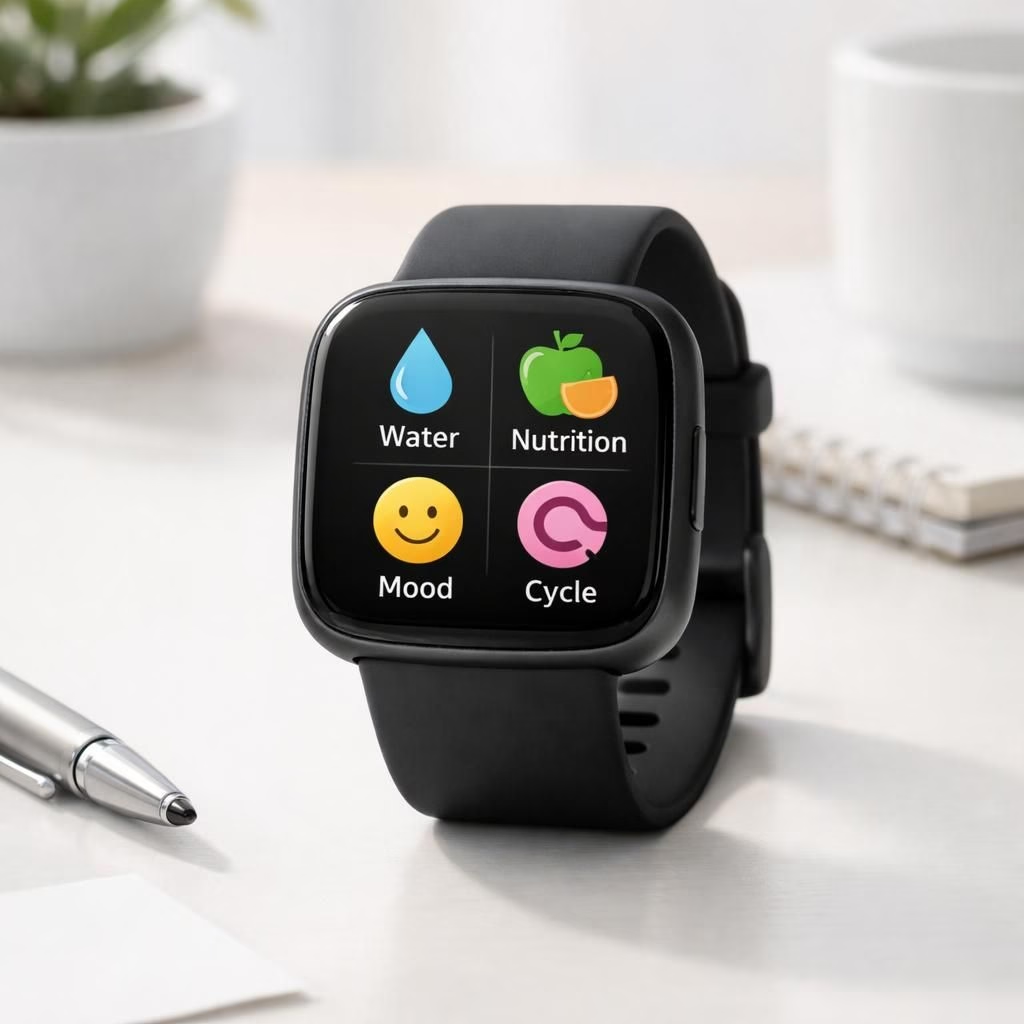
Welcome to 2026, when your wrist becomes a small, ambitious health manager. Fitbit isn’t just counting steps anymore; the latest rollout leans into practical coaching. The centerpiece is nutrition and mood capabilities that sit alongside water intake and cycle tracking, helping you build sustainable routines rather than chase quick wins.
In the fast-evolving world of wearables, Fitbit’s new personal health coach features aim to turn data into guidance rather than a flood of numbers. The company teases nutrition and cycle tracking integrated with coaching prompts, plus hydration reminders and mood checks that align with the day’s plan. The goal is simple: track signals like water, meals, mood, and cycle, then convert them into practical nudges that fit real life, not just dashboards behind a paywall.
The 2026 push also emphasizes accessibility: you don’t need Premium to try the refreshed app and core coaching basics, which broadens who can experiment and improve routines with a friendly companion on the wrist. Beneath the glossy press materials, the aim remains modest: a daily interface that respects your time and your sanity.
Fitbit nutrition: What the update means for users
The update centers on nutrition logging and a broader wellness view. Users will see a consolidated dashboard where water intake, meals, and mood connections appear beside cycle tracking data. The health coach uses this data to suggest micro-goals for the day, like a hydration target or a small meal adjustment when sleep was interrupted. The tools interoperate with fitness metrics, so you can understand how caffeine or late dinners affect energy and mood, and adjust tomorrow’s plan accordingly. The design aims to reduce friction: log one thing and get a helpful recommendation rather than a lecture from a distant algorithm. It feels humane, not punitive, a big win for those who learned to ignore endless green bars and warnings.
The app redesign also improves readability and speed, placing nutrition-related actions front and center and making it easier to log water and meals. Fitbit confirms you don’t need Premium to try the refreshed experience, a nod to fans who dislike paywalls. In practice, that means fewer steps to log breakfast and a clearer path to Sunday meal planning, with fewer distractions taking attention away from useful information. Fitbit aims to be an ally, not a gadget with a shiny button and a confusing settings menu.
Fitbit nutrition: A deeper look at health coach features
Let’s zoom into the nutrition-centric side of the health coach. The new logs track not only calories but also macros, hydration, and timing. The goal is to help you see patterns: does a big lunch sap afternoon energy? Does a glass of water first thing in the morning shift your mood for the better? The answers show up as approachable charts rather than opaque numbers. The health coach can propose small experiments, like shifting a protein-rich snack to mid-afternoon or pairing a hydration reminder with a short walk. Fitbit emphasizes cycle tracking as part of the same coaching loop, so you can anticipate energy swings tied to menstrual cycles or training cycles. When the data speaks clearly, the coach translates it into actions you can actually take.
Fitbit nutrition: Practical tips for daily use
Integrating nutrition and hydration into daily life doesn’t require a PhD in data science. Here are practical moves that leverage Fitbit’s nutrition features and health coach prompts without turning your day into a spreadsheet:
- Log water as soon as you pour it. A quick tap beats a missed reminder later in the day.
- Record meals with simple notes on timing and mood. The goal is to capture context, not perfection.
- Use the mood tracker to correlate energy with sleep, caffeine, and meals. Small patterns become big insights.
- Let cycle tracking inform your activity and nutrition plan. Your plan adapts to business as usual and occasional tempo changes.
- Set micro-goals with the health coach. Tiny wins compound into real health benefits over weeks, not months.
In addition to these steps, remember that the best nutrition behavior is sustainable. Fitbit aims to reward consistency, not perfection, and the nutrition features are designed to be forgiving and informative at the same time. The key is regular entry, honest notes, and a willingness to adjust based on what the data shows. Hydration, balanced meals, and mindful moments can become automatic habits when the tool supports gentle guidance rather than harsh critique.
Before you jump in, consider how the nutrition tools fit with your broader routine. If you travel often, you can still rely on the health coach to remind you to hydrate and plan meals around time zone changes. If you are a busy parent, the quick logging options reduce friction during a hectic morning routine. If you are a data lover, the upgraded dashboards offer clearer storytelling—units, trends, and overlays that make sense in real life, not just a lab notebook. The overarching aim is to make the Fitbit nutrition and health coach alliance feel like a helpful partner rather than a detached gadget.
As always, your journey matters more than the number on the screen. The health coach doesn’t judge; it simply asks you what you want to achieve today and helps you map a path there. For many users this means a simple water target, a sensible snack window, and a moment to check mood before a meeting. For others it means a broader wellness plan that blends nutrition with cycle awareness, sleep, and movement—an integrated approach you can rely on when life gets noisy.
In case you are curious about the source material and want to explore the editorial framing that inspired this overview, special thanks to the original coverage that sparked this recap. You can read the contributing reporting from partners like 9to5Google, blog.google, Trusted Reviews, Digital Trends, and Android Headlines for the full context and the nuanced take on the Fitbit updates. Source note: gratitude for the thoughtful journalism that keeps us informed and entertained as new health tech arrives on our wrists.
We’d love to hear your experiences with the Fitbit nutrition updates and the health coach features. How are you using nutrition logging, mood entries, and cycle data to shape your daily routine? Please share your thoughts in the comments below and join the conversation with practical tips, experiments, and questions. Your insights could help others design a healthier, more enjoyable day.
Source attribution: Special thanks to 9to5Google for the original coverage — 9to5Google article.
References
- Original 9to5Google coverage: Fitbit 4.66 for Android
- Fitbit official newsroom
- Digital Trends coverage on Fitbit nutrition