

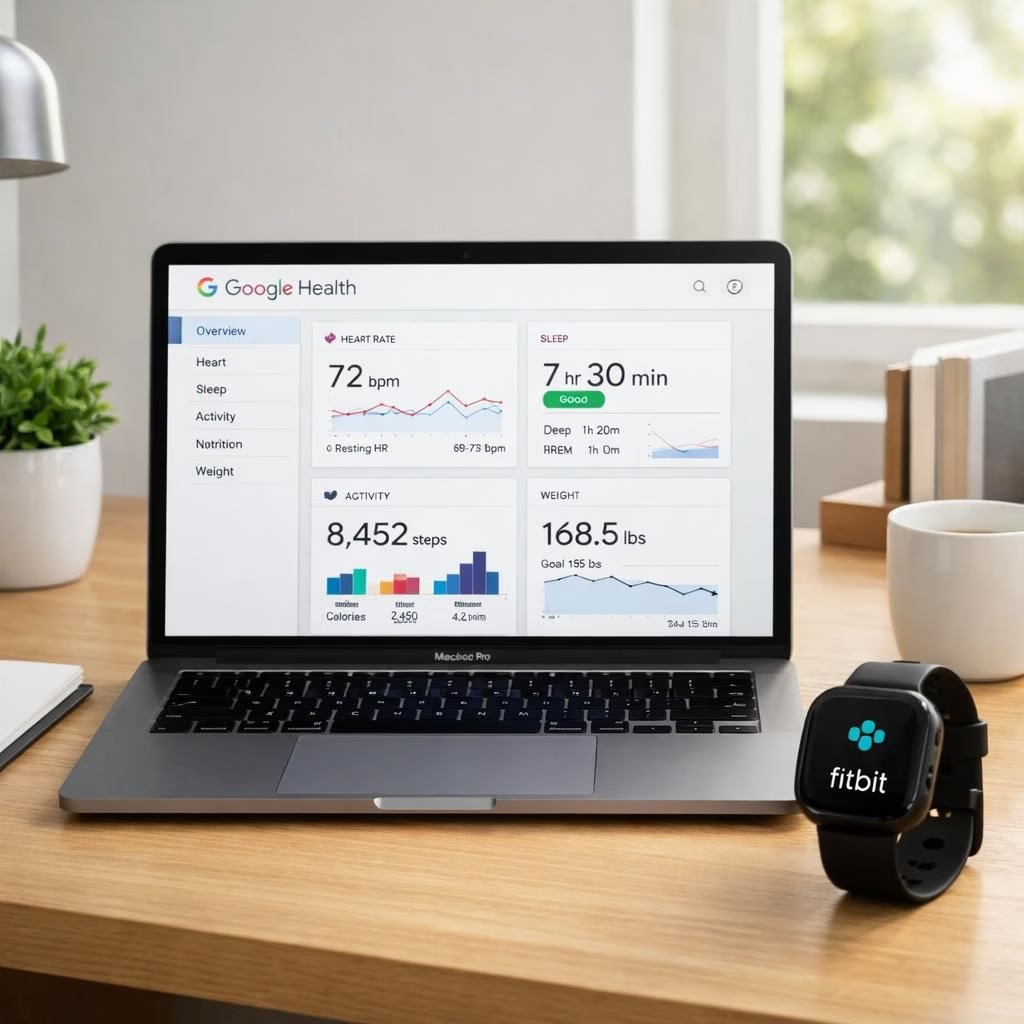
In 2026, Google Health rolled out a roadmap update that promises bug fixes and smoother integrations. The conversation from Fitbit users is loud, yes, but it remains constructive, signaling healthy scrutiny of the data-platform shift. The broader tech press has framed this as a realignment moment, not a retreat from ambition. If you want a practical vibe check, think of this as a team huddle where the coach acknowledges a few bad calls but still insists on a win-through-clarified data flow. The goal is to bring your health data into one place on your terms, without turning the dashboard into a labyrinth of permissions. And yes, the year 2026 is the backdrop for this ongoing playbook update.
Google Health Roadmap: Fixes and Fitbit Feedback
The latest roadmap highlights several fixes designed to improve reliability and user control. In practical terms, that means fewer glitches when syncing health metrics, more accurate timelines for activity data, and a clearer path for how Fitbit data crosses over into Google Health without triggering ambiguous warnings. Engineers have prioritized stability in data streams, making the system less sensitive to momentary network hiccups and more forgiving when devices momentarily drop offline. This is a welcome shift for anyone who previously watched a chart stall just as a morning run was ending.
From a user-experience standpoint, the changes are framed around transparency and control. There are more granular permissions for sensors, better readouts for data provenance, and improved error messages that tell you what happened and how to fix it. The improvements also touch on privacy controls, offering clearer toggle paths to limit data sharing with third-party apps while preserving the core value of a unified health profile. In short, Google Health is attempting to be the calm, reliable cockpit in a cockpit-full of wearables. The movement is small in pace but meaningful in impact, especially when you want to pull Fitbit data into the Google Health view without wrestling with mismatched units or time zones.
- More robust data synchronization between Google Health and Fitbit accounts.
- Fixed memory leaks and faster dashboard refreshes for long-term trend lines.
- Cleaner privacy toggles and clearer consent prompts for data sharing.
- Improved export/import options to support data portability and analysis.
- Streamlined OAuth and token management to reduce login frictions.
The backlash from Fitbit users isn’t a refusal to adapt; it’s a push for a smoother, less wobbly migration. It’s about keeping the spirit of Fitbit wearables intact while letting Google Health weave those signals into a broader health narrative. The Verge and Android Central have noted the tension, but the tone from Google is practical: fix the bugs, improve the flow, and respect the user’s existing routines. In a world of rapid feature releases, a well-handled rollback or refinement beats a flashy but brittle rollout every time.
Fitbit Migration and Google Health UX: What Happens Next
For Fitbit users, migration clarity matters as much as the data itself. The roadmap emphasizes a more intuitive dashboard that preserves familiar Fitbit metrics—steps, heart rate zones, sleep patterns—while presenting them in a Google Health context that makes sense to long-time wearables fans. Expect better alignment of units, timestamps, and the ability to compare day-by-day activity without chasing down inconsistent data labels. The UI refresh also aims to reduce cognitive load by consolidating menus and normalizing terminologies across devices and apps.
From a technical angle, expect improvements in the data pipeline: error detection early in the sync process, retry logic that doesn’t punish users with repeated prompts, and a more reliable feed for historical data. Security remains a priority, with stronger token refresh policies and clearer indicators when a device or app needs re-authentication. All of this contributes to a more predictable, dependable experience, which is what most users want when their health data sits at the center of a digital ecosystem.
The 2026 focus isn’t just about fixes; it’s about future-proofing. As the ecosystem grows, the team aims to keep Fitbit data coherent with other health streams, such as activity metrics, vitals, and sleep analytics. If you’re dabbling in third-party integrations, you’ll notice improved consistency in how data is labeled and organized. The result should be less time spent cleaning data and more time using insights to improve daily routines. And yes, this is where the humor of tech optimism meets practical application: you’ll spend less time deciphering charts and more time acting on them.
Practical tips for navigating the 2026 Google Health and Fitbit updates:
- Verify your data streams after an update — a quick check can save confusion later.
- Review privacy settings to ensure sharing aligns with your comfort level.
- Keep device firmware and apps updated to avoid known compatibility hiccups.
- Export a copy of your data periodically for peace of mind and portability.
If you want a smoother day-to-day experience, approach the changes with curiosity and patience. The 2026 roadmap is a toolkit, not a verdict on the value of Fitbit‘s legacy or Google Health’s ambitions. It’s a reminder that software ecosystems live or die by how well they balance ambition with reliability, and by how clearly they listen to user feedback.
As always, your experiences matter. Have you tried the new Google Health–Fitbit flow? Do you notice fewer bugs, or perhaps new quirks you didn’t anticipate? Share your stories, tips, and questions below so we can all learn together and push the product in a helpful direction.
For context, the original reporting from 9to5Google outlines the roadmap and user feedback that inspired this post. We’re grateful for the thoughtful journalism that keeps the community informed and empowered.
References