

entry-level electronics prices in India are climbing again as manufacturers argue rising input costs must be passed to buyers. This reverses years of affordable tech, hitting smartphones, TVs and large appliances. GST relief debates enter the conversation as a possible brake on price acceleration, a potential lifeline for entry-level electronics buyers and retailers alike.
entry-level electronics and GST relief in India: market realities
In the past, gadget prices fell as factories scaled up. Today the cost curve has turned upward due to memory chip price gains, supply chain frictions and a weaker rupee. Entry-level electronics prices are rising in steps, often every 30 to 60 days, while discounts fade. GST relief option keeps surfacing in boardroom chatter, a policy lever that could ease the burden on entry-level electronics buyers.
In the smartphone lane, entry-level electronics are above ₹10,000 now. The ₹13,000–₹14,000 range is common for 5G models. Industry insiders say prices may crest ₹20,000 in a few quarters as costs pass through. Brands claim absorption is no longer feasible, shifting the burden to consumers in the bottom end of the market. This is a big change from the old practice of absorbing some hikes to protect entry-level electronics demand.
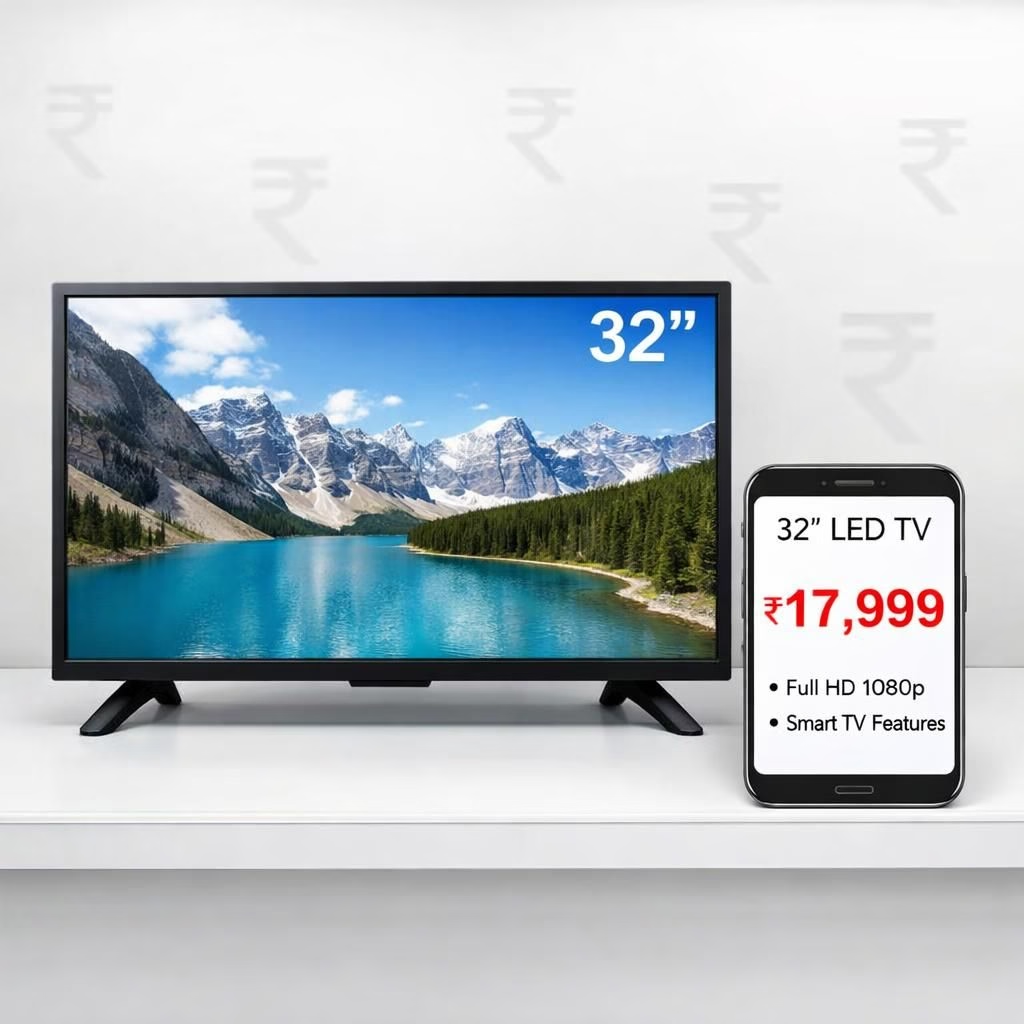
Televisions and appliances tell a similar story. A 32-inch smart TV, once ₹6,500, sits around ₹8,500 and could touch ₹10,000 by mid-year. A 3-star, 1.5-tonne air conditioner could be ₹40,000, up from last summer’s ₹32,000–₹34,000. The entire ladder of entry-level electronics is rising, with GST relief in view as a potential cushion for first-time buyers.
GST relief impact on consumer demand and retailer strategy
Retailers feel the squeeze. Trade groups say brands such as Vivo, Oppo, Samsung and Xiaomi are signaling price hikes on select models. Some new models carry higher tags despite similar specs, signaling pass-through across the board. In the entry-level electronics space, margins shrink as prices rise and discounts disappear. Retailers worry about slower impulse buying when GST relief is uncertain.
Discounting has almost vanished. Quarterly price cuts, cashback offers and trade promotions are rare. The effective price for many consumer electronics rises by roughly 10% or more, depending on model and retailer. For entry-level electronics, this means more buyers turning to refurbished devices or postponing purchases while waiting for a better deal. The policy debate around GST relief could soften this blow by keeping devices affordable.
Consumer behavior is adapting. Some buyers opt for refurbished devices or second-hand markets, others delay purchases. The retailer association plans to petition the government to cut GST relief on smartphones priced up to ₹20,000 from 18% to 5%, arguing relief is needed to sustain entry-level electronics demand. This is a direct call to keep the bottom of the market healthy and accessible.
What the memory chip cycle and policy signals mean for entry-level electronics
Memory chips have been a key cost driver; suppliers have lifted quotes in recent months. In 2026 memory chips remain pricey, keeping the cost pressure on devices. The Gulf region and currency pressures add to the risk that manufacturers will continue to pass costs through to consumers. The result is a cycle where entry-level electronics prices rise in steps, while demand slowly rebalances as households adjust budgets and expectations. If GST Portal GST relief is implemented, it could provide a cushion for entry-level electronics demand and support retailer viability.
From the customer perspective, waiting for a sale or financing plan becomes rational. Yet this slows the momentum of demand that brands depend on. The prospect of GST relief could help hold demand steady, especially for essential devices like smartphones and household appliances used in daily life. Thoughtful policy plus equal access to affordable tech could preserve a healthy electronics ecosystem in India.
Beyond pricing, the story includes retailers and distributors. Some partners note that higher pricing is mirrored by fewer promotions, which tightens the consumer purse. The industry must balance cost recovery with affordability at the bottom of the pyramid. A well-designed GST relief policy could act as a stabilizer, helping the entry-level electronics market survive and grow despite higher costs.
In the broader picture, the same forces reshaping energy and groceries influence electronics. Input costs, supply chain frictions and currency dynamics all matter. The result is an evolving market where entry-level electronics faces a higher barrier to entry than in prior years, prompting a rethink of how price, value and consumer confidence align. The GST relief policy for devices up to ₹20,000 remains a potential lever that could influence both sentiment and retailer viability in the near term.
To sum up, the price trajectory for entry-level electronics in India shows a market in transition. Consumers may bear the brunt now, but policy signals and retailer adaptation could soften the blow and sustain demand. The key is transparency, practical discounts where possible, and targeted relief that preserves access to essential tech for first-time buyers.
Original article: The Economic Times. Thank you for the source material that sparked this analysis. Original article link: https://economictimes.indiatimes.com/tech/industry/entry-level-electronics-prices-rise-as-input-costs.html
Have you felt the pinch in your own shopping basket? Share your thoughts in the comments below.
Practical steps for buyers
- Compare models carefully and focus on essential features to maximise value.
- Track price trends for at least a few weeks before buying.
- Consider certified refurbished devices with warranty to stretch budgets.
- Explore EMI or financing options that fit your monthly spend.
- Stay informed about policy updates like GST relief and official relief schemes.
FAQ: questions readers commonly ask
-
What is GST relief?
GST relief would lower the tax burden on certain devices. It is a policy proposal, not a guaranteed price cut.
-
Will GST relief automatically lower prices?
No. It depends on how the relief is implemented and passed through by manufacturers and retailers.
-
What can buyers do right now to save?
Choose basic, reliable models; look for certified refurbished devices with warranty; and wait for credible promotions or GST-related relief announcements.
-
How long might price rises continue?
It depends on input costs, currency movements and policy outcomes. Prices could stay elevated until supply chains stabilise.
entry-level electronics budgeting and long-term value
Better budgeting and informed buying can help households navigate higher prices. A clear view of needs versus wants prevents impulsive buys that offer little long-term value. Manufacturers, retailers and policymakers all play a part in keeping essential tech accessible for first-time buyers.
References
- Original article (Economic Times): https://economictimes.indiatimes.com/tech/industry/entry-level-electronics-prices-rise-as-input-costs.html
- Source linkback (Times of India): Times of India — electronics price rise article