

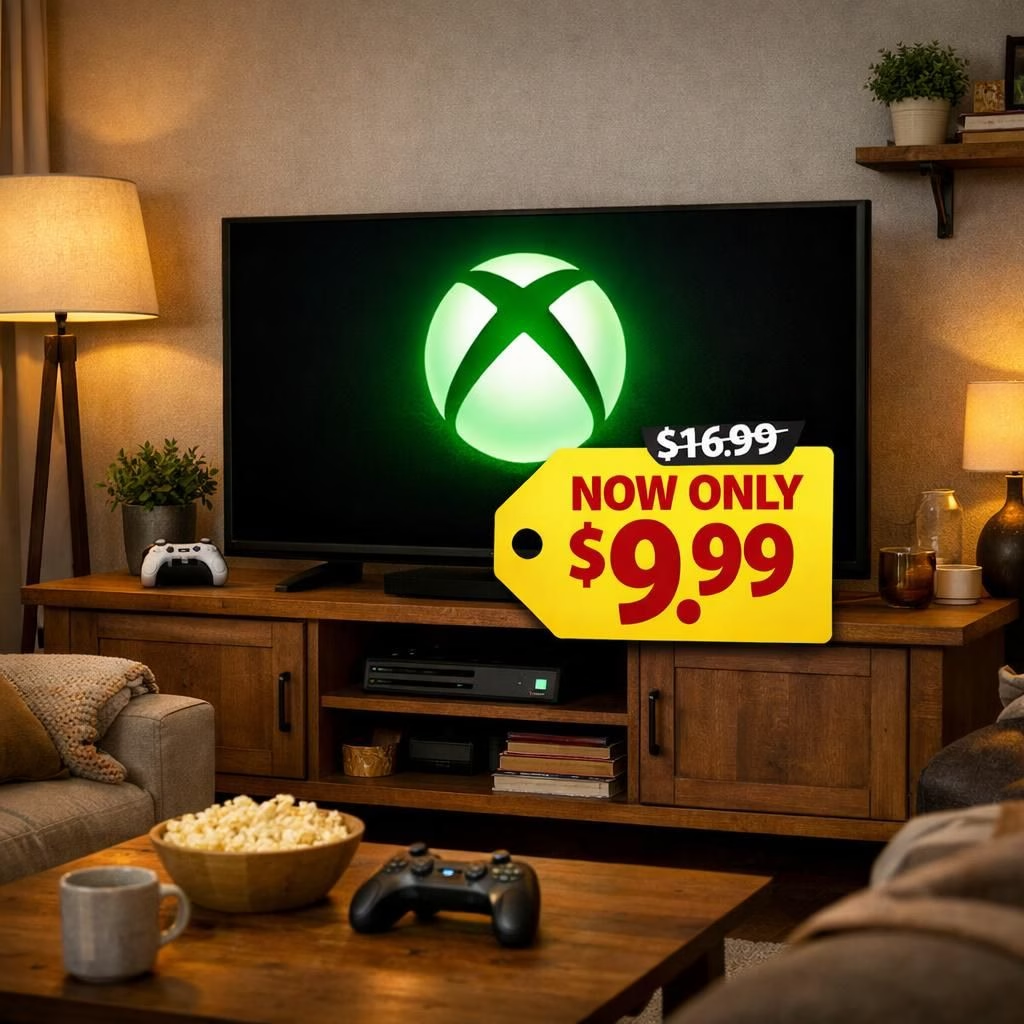
In 2026, the Game Pass price story took a surprisingly sunny turn. The price tag shrank, not disappeared, and the mood shifted from dread to forward-looking practicality.
Game Pass price reset: a pragmatic comeback
Xbox announced a measured price reset after a six-month sting of hikes. The Game Pass Ultimate price in the UK dropped from £22.99 to £16.99, and PC Game Pass moved from £13.49 to £10.99. The apologies were conspicuously brief, but the math spoke loudly: the new levels still let players enjoy a vault of games for a predictable monthly fee.
Meanwhile, Microsoft clarified that new Call of Duty titles would arrive on the more premium tiers about a year after launch. That delay preserves a sense of exclusivity for high-tier members while opening the door for broader audiences to sample the catalog. It is a compromise that reads as pragmatic rather than punitive.
The leaks about internal direction added texture to the story. Asha Sharma now steers Xbox. She wants value. She aims for sustainable growth. Her plan leans toward a platform business. It monetizes attention. It protects ecosystem health. Still, she says the team will understand what works for players, not just shareholders.
Game Pass price realities for players in 2026
Fans reacted with a mix of relief and skepticism. Some said the price drop shows Xbox is listening to feedback. Others warned a trust issue could linger if future first-party releases vanish from the catalog too soon. The debate is healthy and alive, much like a living room debate about whether to upgrade cables or consoles.
The broader software and entertainment market has seen price movements too. Netflix bumped the price, and gaming studios consider new monetization paths beyond subscriptions. The market is not simply lowering prices; it is testing sustainability, content cadence, and the balance between accessibility and premium experiences.
For players who chase occasional big games, the new pricing makes the vault more inviting. The threshold to jump into a Call of Duty launch or a day-one indie release drops a little. The result is more people sampling more titles without feeling the need to subscribe to a platform’s entire library every month.
Chantelle Parker, a streamer who goes by Chantelle Plays, offered a micro-case study. The price cut felt like a win for casual gamers, she said. She plans to buy COD editions separately anyway, and the savings on the broader library appeared meaningful to her audience. Her commentary underscored a truth: pricing changes do not erase personal purchasing choices, they complement them.
Of course, change in this space is rarely simple. A few observers cautioned that reliance on advertising could become a revenue engine, not just an aesthetic of a subscriber service. Sharma’s vision hints at a more nuanced model—one that blends content, community, and attention monetization. The idea is to keep Xbox relevant without ghosting fans who crave meaningful new experiences.
The industry backdrop continues to shift. Other streaming platforms also test prices and promotions. The result is a dynamic landscape where price and content strategy interplay with perception, timing, and platform loyalties. In this universe, a price reset is a sign of adaptation, not a surrender, and it invites followers to rethink what “value” means in 2026.
From a consumer standpoint, the change invites patience and experimentation. Even with a more affordable price, some players will still weigh a standalone purchase against the monthly bill. Some will wait for sales or bundles. Others will simply enjoy the wider library and new promotions without overthinking it. The conversation remains lively and practical rather than mythic or punitive.
Two important reminders help keep this discussion grounded. First, renewals and region prices vary, so the UK cut looks different elsewhere. Second, the timing of COD releases on premium tiers remains a strategic choice, not a promise of universal access. These nuances matter when you plan a year or two of gaming in 2026 and beyond.
As the year unfolds, the gaming community keeps testing what price, access, and content means for them. It’s a conversation that goes beyond a single subscription and into how people choose to spend their time and money with digital entertainment. The result is a more informed, more flexible approach to how we game together in 2026.
Source and thanks: Original reporting by The Verge provided essential context for this discussion. See the original coverage here: The Verge. Thank you for the thoughtful reporting that made this piece possible.
Share your thoughts below — how do you feel about Game Pass and price changes in 2026? Do you plan to join the service again, or will you buy games individually? Your perspective helps everyone understand the practical value of these shifts.
Practical steps to evaluate Game Pass price in 2026
- Assess your monthly gaming spend and compare with standalone purchases.
- Track how often you sample titles from the vault to gauge real value.
- Experiment with a short-term trial or bundles before committing long-term.
- Revisit your plan when new first-party titles arrive on premium tiers.
FAQ
- Is the price cut permanent?
It appears to be a strategic adjustment rather than a permanent decrease—subscription economics can shift with market conditions.
- Will COD return to all tiers after a year?
COD is set to appear on premium tiers about a year after launch; this is not universal access for everyone.
- Should I cancel Game Pass now?
That depends on your gaming habits. If you often sample many titles, the current pricing may offer value; otherwise, buying individual games might be better.
Conclusion: The price reset signals adaptation rather than surrender. If you’re weighing Game Pass against standalone titles, start with a short trial and monitor your usage over the next few months. Stay flexible as COD and other titles shift between tiers.