

Samsung’s EMR-era partnership with the S Pen has lasted 15 years. The combo creates precise input, fast notes, and a tactile sense that the device understands your intent. It isn’t mere nostalgia; it’s a practical technology that powers daily tasks for many users. With that solid foundation, rumors emerged about a possible shift for the Galaxy S27 Ultra. The latest signals, however, point to continuity rather than a dramatic leap. EMR and the S Pen remain the default pairing as the rumor mill chugs along.
EMR and S Pen: A long-running duet in Galaxy history
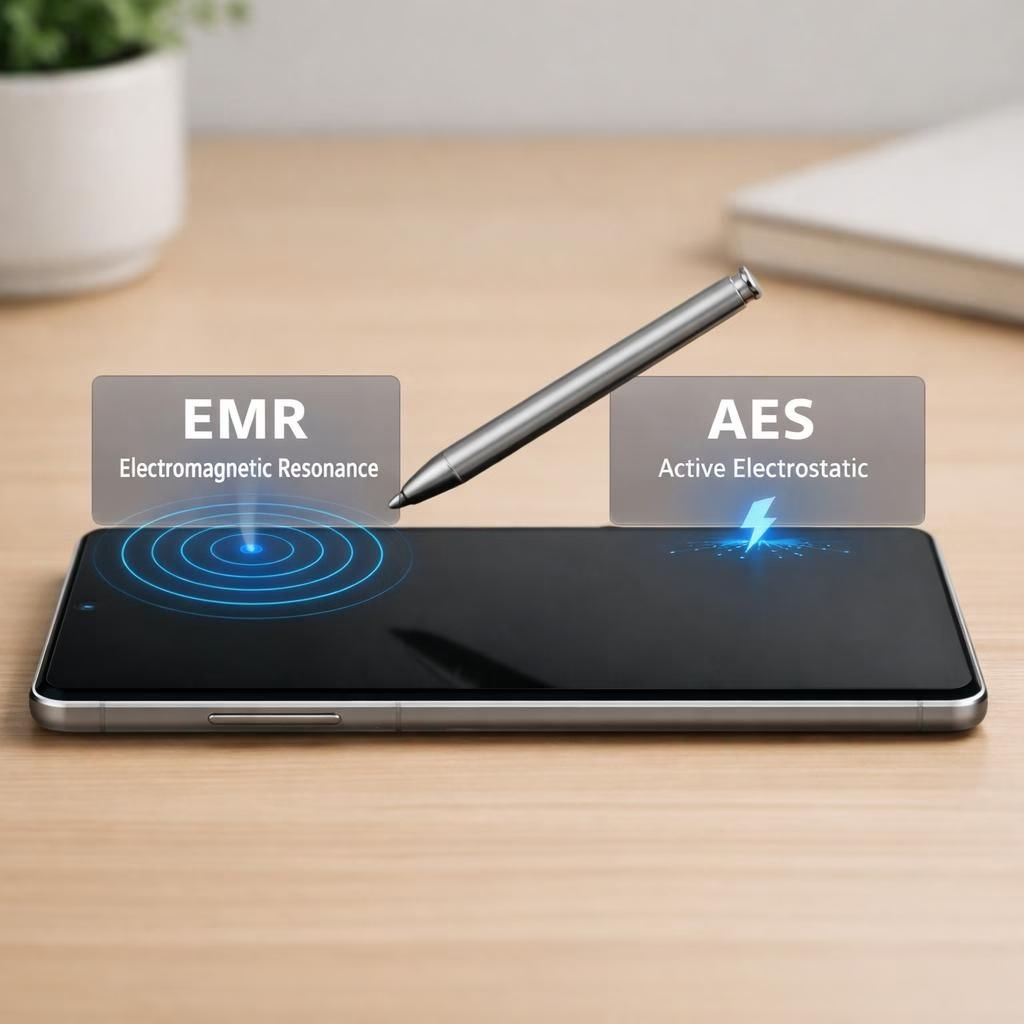
EMR relies on a digitizer embedded in the display. The digitizer senses pen strokes as you move, delivering palm rejection and pressure sensitivity. The S Pen gets power from the device via magnetic or field-based charging, which keeps the pen light and eager to sketch. AES, by contrast, packs a built-in battery inside the stylus and uses a capacitive touchscreen to read input. The result can be a thicker stylus, which some users notice during long drawing sessions or when stashing the pen in a tight pocket. Samsung reportedly explored a hybrid approach that would combine the best of both worlds: no battery in the pen, no separate digitizer, but the responsiveness you expect. That concept hints at a future where the stylus stays thin and efficient while delivering solid performance—though the specifics weren’t spelled out in the report.
Galaxy S27 Ultra and the AES-inspired dream vs EMR reality
From the hardware perspective, the presence of neodymium magnets for Qi2 wireless charging adds a practical wrinkle. Qi2 relies on magnets for coil alignment, and those magnets can complicate EMR-based measurement. This makes Samsung pause before shipping a radically different S Pen—or any new stylus. The company may be waiting for its new technology to mature, ensuring the S27 Ultra and future Galaxy devices don’t ship with a fragile balance between compatibility and performance. The report doesn’t provide a clear rollout date, and the reasons for delay remain unspoken, which only fuels the rumor mill further.
Meanwhile, industry watchers are asking three questions: Will the stylus become thinner and lighter? Will it charge itself or rely on the phone’s energy? Will the experience stay consistent across screens and software updates? Samsung appears willing to be deliberate, keeping the current EMR-based S Pen pair stable while quietly evaluating the new concept in the lab. If the hybrid tech proves viable, we could see a shift toward a batteryless, digitizer-free world—without sacrificing the familiar pen feel.
EMR vs AES: What changes for the S Pen
The idea of a combined, batteryless stylus that still delivers precise input would represent a meaningful shift for the S Pen. Until then, the current EMR pairing remains the standard while teams in labs weigh the tradeoffs between thickness, responsiveness, and power efficiency. In practical terms, users can expect continued reliable palm rejection and pressure sensitivity with the current setup, alongside ongoing software refinements that improve note-taking and sketches.
Practical example: How this could affect daily use
- Note-taking during meetings stays crisp and fast with the S Pen and EMR’s precise input.
- Sketching and drawing in apps remains responsive, with palm rejection helping keep accidental marks at bay.
- Thin, light gestures on the screen feel natural, while the stylus remains reasonably compact in the pocket.
FAQ
- What is EMR technology? It uses a digitizer embedded in the display to read pen input, with no need for an internal stylus battery. The system supports palm rejection and pressure sensitivity for a natural drawing experience.
- What is AES in the context of a stylus? AES involves a stylus with a built-in battery and relies on a capacitive touchscreen to register input, which can make the pen thicker but often offers无线 connections and broader compatibility.
- Will Samsung switch to AES or a similar hybrid for the S Pen? The current signal points to continued EMR-based operation for now, with ongoing evaluation of hybrid concepts in the lab and no confirmed rollout date.
- Do Qi2 magnets affect EMR-based measurements? Yes, magnets used for coil alignment can interfere with EMR measurements, which is a reason Samsung is cautious about a radically different stylus approach.
Bottom line: Samsung continues to test new ideas while keeping the proven EMR-based S Pen as the ecosystem’s anchor. If a mature, batteryless hybrid proves viable, it could reshape how the Galaxy line approaches stylus input—without breaking the familiar note-taking and drawing workflow users depend on.
References
- Original SAMMobile article
- ETNews (source coverage)
- S Pen official page
- The Verge
- TechRadar