

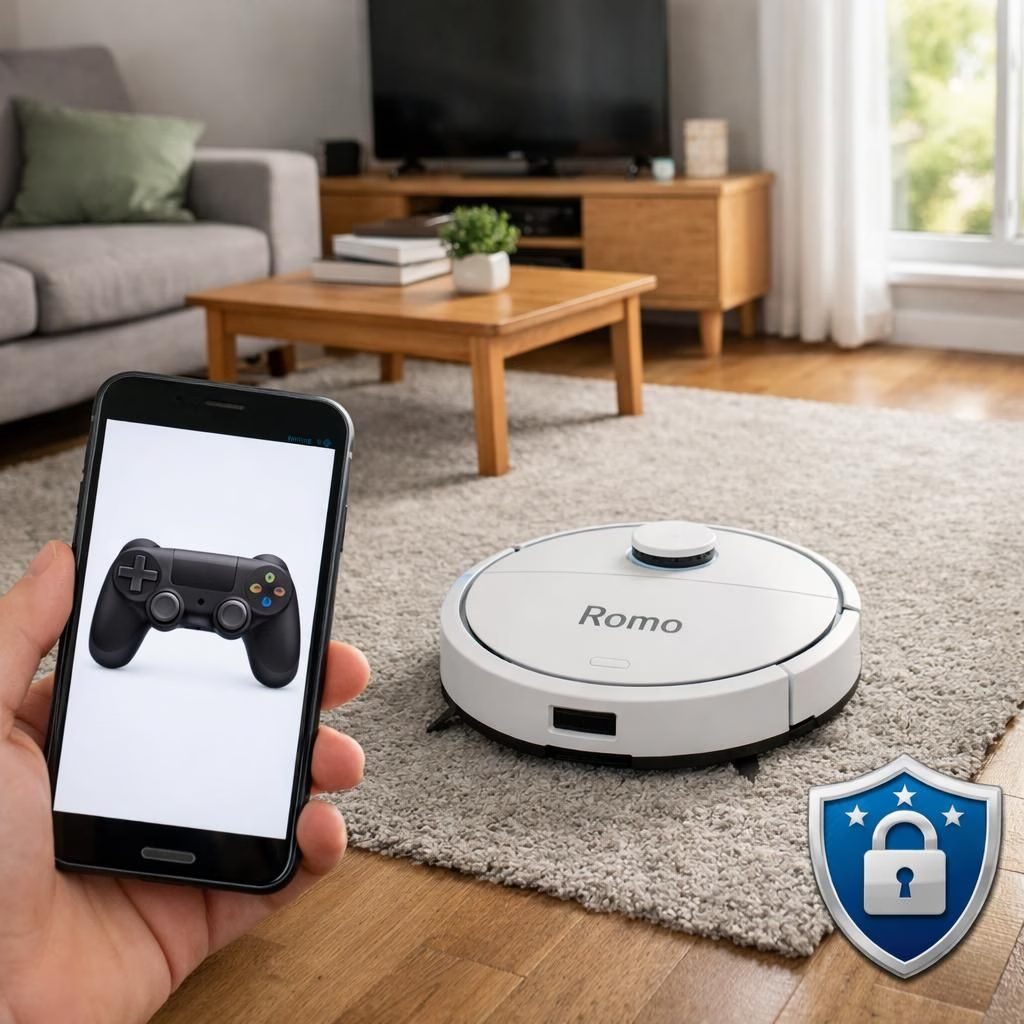
DJI Romo security has a funny habit of turning serious security into a story you want to read with a cup of coffee in hand and curiosity in the other. On Valentine’s Day 2026, a playful test—steering a DJI Romo robot vacuum with a PlayStation gamepad—made headlines. It exposed a network of 7,000 remote bots that could potentially peek into other people’s homes via streaming video. The image was dramatic and not exactly the heartwarming gift one might expect, yet the takeaway is practical: even whimsical gadgets can reveal serious security gaps, and the best responses mix humor with responsible reporting. DJI had already started addressing several vulnerabilities before The Verge highlighted the depth of access, showing that progress was already in motion rather than a last-minute scramble. The romance here is with better security, and the lesson is universal: curiosity should be rewarded when it leads to safer technology for everyone.
DJI Romo security Upgrades: A Light-Hearted Yet Important Milestone
That payout signals a new era for DJI Romo security reward programs: the brand is embracing the idea that security is everyone’s business. The Verge confirmed a $30,000 reward for a single discovery and noted the researcher remained unnamed. The point is not the secrecy; it’s the incentive to disclose responsibly. DJI says the PIN-security observation was addressed by late February, and the entire Romo system is being upgraded. The timeframe suggests a phased patch rhythm rather than a single overnight fix. The company published a blog post that credits two independent researchers for finding the same problem while also noting that DJI itself found the issue. The post claimed updates had fully resolved the problem, yet the firm cautioned that multiple security vulnerabilities could persist, requiring additional time. The reality is straightforward: security work is iterative, and the Romo team is leaning into that truth in 2026.
Security Improvements for the DJI Romo Line
DJI highlights security certifications such as ETSI, EU, and UL as proof of a solid security scaffold. But certifications aren’t a silver bullet; a single tester can reveal a chain of access across an entire home robotics network. The Verge’s reporting and DJI’s blog align on a simple rule: ongoing testing, patching, and third-party audits are essential. The Romo ecosystem aims to be safer, with the company pledging deeper engagement with the security research community and inviting researchers to partner and collaborate. It’s a practical, optimistic stance: innovation should welcome feedback, not fear flaws. In 2026, that attitude matters because homes increasingly rely on connected robots. Expect more updates, more transparency, and more collaboration between makers and researchers as the baseline for trust grows.
DJI Romo Security Roadmap for 2026
For the security-minded reader, the practical takeaways are clear. Keep firmware updated, use strong PINs, and keep IoT devices on a dedicated network when possible. Limit who can view Romo video feeds, and watch app permissions like a hawk. Regular maintenance is not optional; it’s the minimum bar for a kinder, more privacy-respecting smart home. The broader story is one of gradual improvement, not a single magic fix. The security community continues to push boundaries while manufacturers balance rapid releases with thorough testing. If you’re curious, participate in responsible disclosure programs or community audits. The result isn’t just safer gear; it’s peace of mind that your chores get done without inviting new privacy headaches.
Thanks to The Verge for the original reporting. You can read the original article here: The Verge.
What do you think? Share your thoughts in the comments!
FAQ: What does the Romo vulnerability mean for everyday users?
In practice, it shows that connected devices can expose new security risks. Keeping firmware updated and using strong PINs helps reduce security exposure. Isolating Romo on a dedicated network improves the overall security posture of the home.
FAQ: How should owners respond if they have a Romo or similar device?
Apply updates promptly, enable any available two-factor or extra authentication, and change default passwords to shrink security exposure. Review video permissions and remove access for unknown devices to strengthen security control.
FAQ: What’s the realistic timeline for fixes and patches?
Manufacturers typically roll out patches in stages as tests complete. This staggered approach is part of ongoing security improvements and reflects a broader, collaborative process with researchers and users alike.
Conclusion: curiosity that prompts disclosure can lead to safer gear and calmer homes. Stay informed, keep devices updated, and participate in responsible disclosure programs to help move industry practice forward.
References
Original source linkback: https://www.theverge.com/news/890982/dji-pay-sammy-azdoufal-robot-vacuum-hack-romo-security