

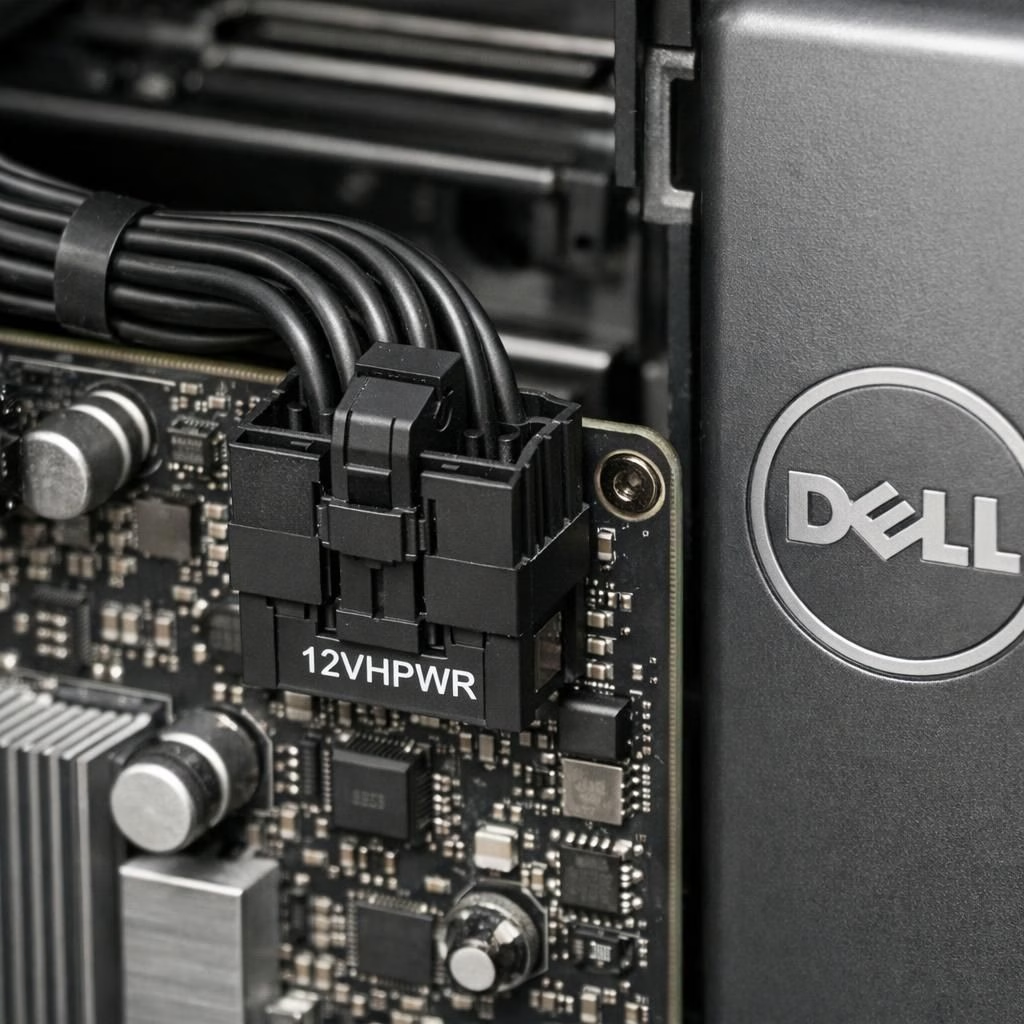
Welcome to a lighthearted, nerd-friendly tour of a Dell PC teardown where Dell hardware meets solid engineering. This piece celebrates the GPU Power ecosystem and a locked 12V-2×6 connector that stays steady in 2026.
Dell and GPU Power: A Playful Hardware Review
In this Dell-centric look at power rails and motherboard layout, we unpack what the locked 12V-2×6 GPU Power connector does. The lock isn’t there to complicate life. It keeps the power path from rattling loose during long gaming sessions. The Dell chassis design favors clean routing, so the lock helps keep the path tidy. This isn’t trivia; it’s a reliability feature that matters when you push your PC to its limit in 2026.
From a hardware standpoint, the 12V-2×6 connector is a standard on many modern GPUs, yet the way it’s secured matters. The two-row arrangement delivers substantial current. The latch ensures the plug doesn’t rattle free in a case with side panels that see a lot of airflow. The Dell example here shows how a deliberate retention mechanism helps. It can reduce user frustration, especially when you move the PC or upgrade the GPU Power later. This is part of the broader trend toward serviceability in 2026-era desktops.
- Secure latch means fewer unplugging moments when the power is under load, protecting the Dell investment.
- Clear labeling and color-coding help you spot the connector quickly, saving time if you’re swapping cards in a Dell system.
- Durable cable jackets and robust strain relief extend the life of the connector, a small win for any workflow.
Dell through GPU Power: Lessons from the 12V-2×6 Connector
What can the Dell teardown teach us about building reliable PCs? First, respect the power rail. The Power path matters because a hiccup at the 12V line can ripple into the entire system. Dell’s approach—robust locking, careful cable management, and easy access to the connector area—helps keep the power line stable during heat, noise, and occasional mechanical vibrations. This isn’t just about avoiding a dropped frame; it’s about longevity and user confidence. Even hobbyists who assemble a Dell-inspired rig gain from adopting similar practices: keep the connector secured, route cables away from moving parts, and test with a light load before a full burn-in. The key idea is that power design affects every component downstream, including CPU throttling, memory stability, and the safety of your power ecosystem.
I’ll note a practical takeaway for builders: if you see a Dell reference or a GPU Power label, take a moment to appreciate the engineering details—the latch, the seating depth, and the notch alignment all matter. The goal isn’t showy hardware theater but predictable behavior when you push the PC to its limits. The locking mechanism on the 12V-2×6 is a small feature with outsized impact, especially when you consider upgrades that may come in 2026 and beyond. Dell’s design language emphasizes predictable, user-friendly upgrades that respect both form and function in the power chain.
For enthusiasts, this Dell example underscores a broader lesson: strong connectors with reliable locks reduce maintenance headaches, simplify troubleshooting, and help you keep the power path on when games or workloads demand peak performance. If you own a system that relies on a 12V-2×6 GPU Power connector, you may notice the difference in how quiet the system runs, how smooth the airflow is, and how seldom you need to reseat cables after a case move. That is the kind of practical improvement that adds up over months of use.
Special thanks to VideoCardz for the original reporting. Original article: this original Dell PC teardown article via Google News.
I invite you to share your thoughts in the comments. Let me know what you think about Dell hardware and power connectors in tight builds.
Practical steps for builders
- Inspect the latch and seating depth when connecting the GPU Power cable to ensure a firm fit.
- Route cables away from fans, drives, and other moving parts to maintain airflow and reduce vibration.
- Test with a light load before a full burn-in to catch seating or routing issues early.
- Document cable paths so future upgrades remain straightforward and tidy.
FAQ
- What is the 12V-2×6 connector? A two-row 12-volt power connector used by some modern GPUs to deliver stable current for high-performance workloads.
- Why is the locking feature important? A secure latch minimizes unplugging under load and helps preserve system stability during transport or movement.
- Is this a universal standard? Power connectors vary by GPU and chassis; the Dell example highlights a design choice that prioritizes reliability and serviceability.
Conclusion
The Dell teardown shows that small, well-considered power-path details can improve reliability and upgrade paths. In 2026-era builds, predictable behavior from the GPU Power path translates to quieter operation, steadier airflow, and fewer reseats after moves. For enthusiasts, adopting similar practices—secure connections, clean routing, and cautious testing—delivers ongoing benefits over months of use.