

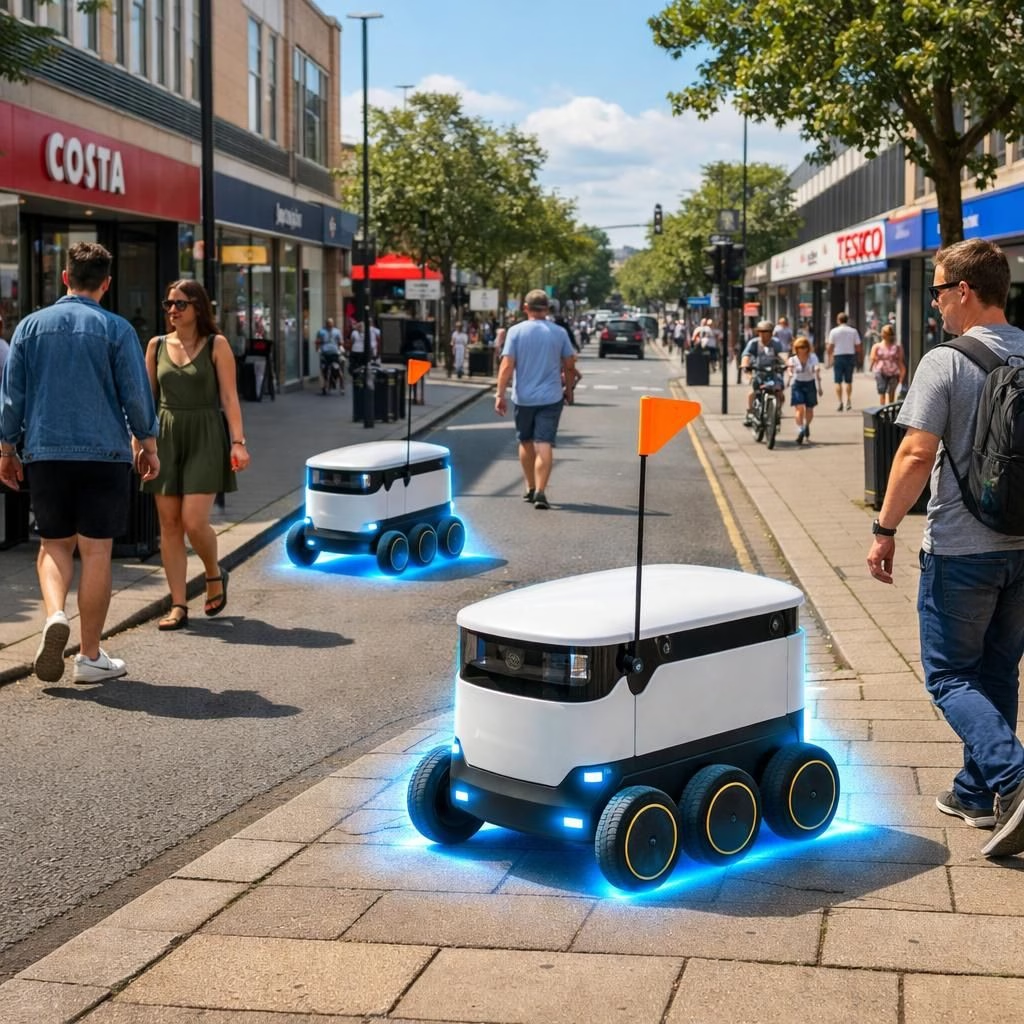
Milton Keynes is famous for roundabouts, not quiet sidewalks. Yet it hosts a new kind of traffic: delivery robots gliding along pavements. Powered by AI, these six-wheeled couriers deliver groceries where people once stood in line, with the goal of bringing the cost per delivery under £1.
delivery robots and AI on Milton Keynes streets: a practical sci-fi tale
From the pavement, Starship has learned to adapt, repairing and upgrading on the fly to keep the delivery robots ready for the next stop.
A six-wheeled body roughly the size of a beer fridge carries sensors that see weather, pedestrians, and curbs.
The hardware feeds a lean AI model that chooses the best route and re-routes when signals fail.
That autonomy comes with a design commitment to resilience and easy repair.
Drivers may be absent, but technicians and planners stay busy keeping the fleet healthy.
Wireless charging reduces wear on the ports and cuts downtime.
Over time, the cost per delivery drops as data helps the fleet learn.
AI-powered delivery robots: insights from the field
In 2018, the roll call showed 127 robots logging 116,000 kilometres.
By 2025, Starship grew to 2,414 robots and 5.2 million kilometres.
Executives claim human interventions per kilometre fell seven-eighths, a tidy win.
Still, rare glitches occur, like a robot halting in a street, which begs for a back-up computer.
That extra brain gets it to the other side and keeps the city moving.
These delivery robots are not a car, yet they reshape how cities look.
People may worry about lost jobs, but the market adapts with new roles and skills.
In Finland—the largest Starship market—supermarkets remind passers-by not to lift robots from snowdrifts.
The idea is safety first, and humor second, even when robots miss a curb.
The project proves AI can perform in the real world, not just in labs.
It also highlights that the future of delivery requires more than clever algorithms.
We need dependable hardware, strong sensors, and thoughtful urban etiquette.
Citizens learn to share the pavement with robots and a touch of AI charm.
The approach aims for a simpler, cheaper, better experience for shoppers.
Lawmakers and planners watch, applauding small steps toward more efficient logistics.
Will these tiny machines truly replace human drivers? Probably not, at least not today. They will, however, quietly push the logistics envelope, offering cleaner air and shorter wait times. The lesson is simple: small, well-tuned tech can move big systems. The future belongs to systems that listen to streets, not just to dashboards. And yes, the robots will keep practicing their curb-cuts until perfection arrives in your neighborhood.
Where this project intersects with daily life, it becomes more than a science experiment—it hints at how neighborhoods may behave in the future. For shoppers, that means predictability, better tracking, and fewer trips to the store on busy days.
Frequently asked questions
- Safety first: what measures are on board? Starship robots feature multiple sensors, geofenced routes, and emergency stop capabilities. The design aims to minimize risk on crowded sidewalks and to respond quickly to unexpected obstacles.
- Will delivery AI replace human drivers? Not in the near term. The technology is intended to complement traditional logistics, handling routine routes while humans focus on complex or sensitive deliveries.
- How should pedestrians interact with robots on the street? Keep a clear path, give them space, and follow local guidance on sidewalk etiquette. When in doubt, step aside and let the robot pass.
- Where are these deployments taking place? Milton Keynes is a flagship site, with others in Europe exploring similar pilots to learn best practices.
Conclusion: small, well-tuned technology can move big systems, especially when it aligns with how streets actually work. The takeaway for residents is simple—watch, learn, and adapt alongside these quiet couriers as cities experiment with cleaner air and shorter waits.