

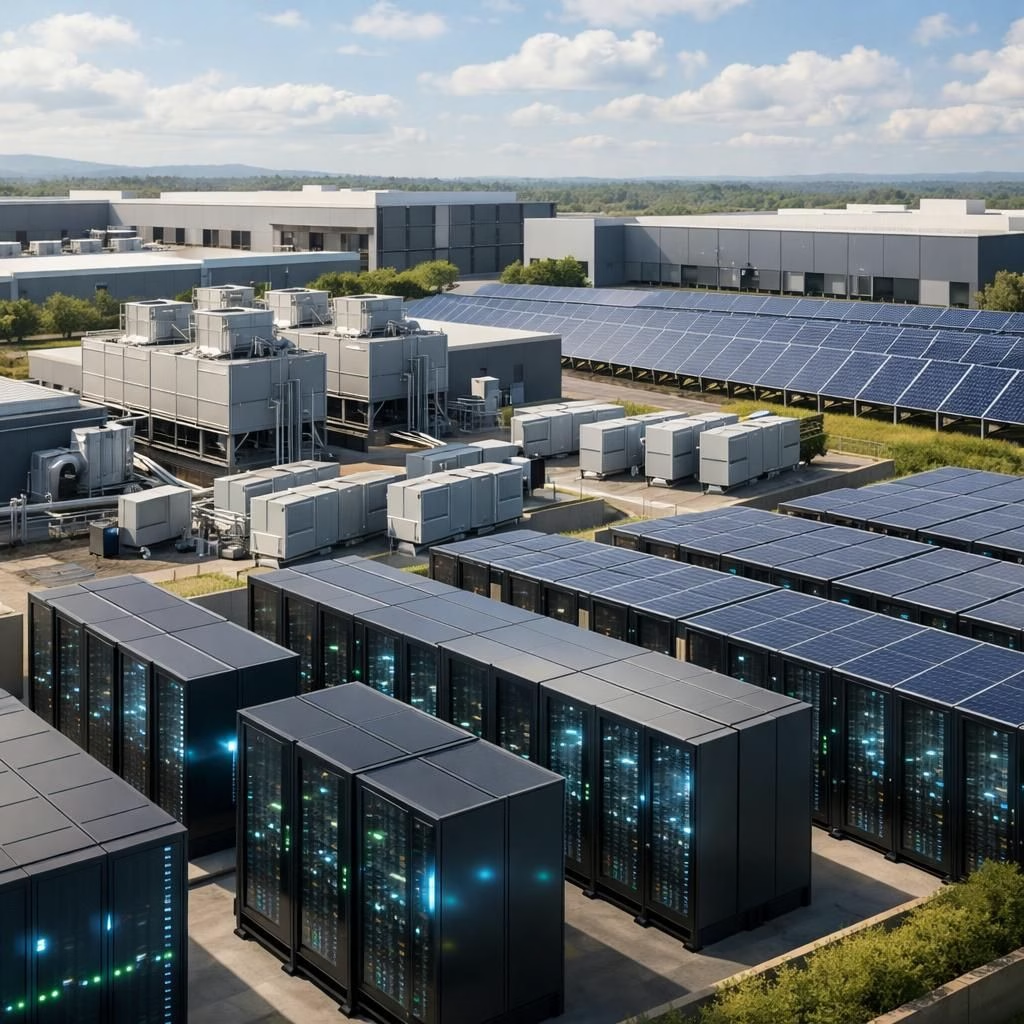
data-centre growth and AI deployment are colliding with power grids and local concerns in the United States as resistance grows. What began as quiet infrastructure projects has become a public flashpoint. Lawmakers, utility crews, and residents weigh costs and benefits in real time. The result is a wave of pauses, debates, and policy tweaks that aim to slow what some call overreach and what others call necessary modernization.
data-centre and AI tensions shape 2026 policy pause
In Maine, the first big action appears to set the tone. Lawmakers push a pause on large data centres using 20 megawatts or more, holding new projects until November 2027. Governor Janet Mills has signaled support, framing the measure as a practical step to avert grid strain while homes stay comfortable and businesses stay online. The policy isn’t a blanket ban; it is a cooling-off period that buys time to align infrastructure upgrades with demand spikes.
In the broader picture, the pause invites more careful planning around siting and infrastructure upgrades. Utilities stress that such pauses must be paired with grid improvements to keep power affordable and reliable for households and small businesses alike.
data-centre, AI, and infrastructure trade-offs in the US
Backlash centers on more than price. Grid operators warn the network will feel the pressures as AI workloads surge. Water use for cooling and the environmental footprint of sprawling campuses draw attention from communities worried about local rivers, forests, and the character of their towns. The debate isn’t anti-technology; it is pro-sane growth. When a project adds 15,000 homes worth of power demand, every extra watt matters, and not all communities receive the same benefits.
Anirban Basu, chief economist at a construction trade group, calls Maine the canary in the coal mine. He notes that a pause here could become a model for other states facing similar headaches. Leaders also emphasize opportunity: smarter siting, more efficient cooling, and investment in on-site generation and grid resilience. The mood is recalibration, with the goal of keeping AI capabilities advancing without breaking the local power purse strings.
data-centre readiness for grid upgrades
Across the region, states like New York, South Carolina, Oklahoma, and Ohio are stacking proposals. Some cities, too, such as Denver and Detroit, look at temporary restrictions while planners map data-centre footprints, water sources, and energy contracts. Ohio even considers a statewide ballot push, showing that the topic has moved from backrooms to ballots and back to backrooms again—where it belongs in a democracy.
AI deployments, policy checks, and local accountability
Nationally, a bill from Senators Bernie Sanders and Alexandria Ocasio-Cortez proposes a nationwide pause. Advocates say this would standardize a patchwork of state rules and ensure that AI needs do not outrun grid capability and water resources. Critics warn the move could slow innovation, but supporters argue that responsible growth benefits both the economy and the public trust. The political heat is rising as elections approach and voters demand that infrastructure growth respect households and small businesses alike.
Meanwhile, utilities and developers must navigate a changing environment. The best teams align project milestones with grid upgrades, secure long-term power purchase agreements, and use data to optimize cooling without wasting water. A few builders embrace modular designs, others use recycled heat, and some invest in plant adjacencies that minimize land use while maximizing capacity. The result could be smarter AI integration that scales with the grid and respects local priorities rather than chasing speed at any cost.
Amid the chatter, communities press for transparency. Local residents ask for clear information on energy costs, water draws, and environmental reporting. Think pieces and dashboards pop up in planning meetings showing how much energy a campus uses during peak hours, how water is captured and reused, and how projects will buffer the grid against outages. The dialogue shifts from a binary rush to a measured, collaborative approach that still values AI capability and data-centre innovation.
For tech firms, the pause offers a chance to rethink design. Engineers can optimize server layouts and cooling loops, reduce idle power, and implement AI workloads with better efficiency. Managers can revise timelines to account for permitting queues and interconnection studies. Municipalities gain leverage to negotiate fairer agreements that distribute benefits, like tax revenue and local jobs, across communities rather than concentrating them where the data-centre campuses sit. And everyone benefits when environmental stewardship becomes a core project metric rather than a footnote.
In short, the debate reframes progress. The data-centre boom is not canceled; it is reimagined with a tighter lens on grid health, water stewardship, and reliable energy pricing. The AI future remains bright, but wiser, kinder to the grid, and more connected to the everyday rhythms of towns and cities. The pause is not a verdict on innovation; it is a moment to build stronger partnerships that sustain both tech growth and public welfare.
If you have thoughts on how to balance AI growth with grid health, share your thoughts in the comments. The conversation matters, and varied voices keep the sprawl of data-centres thoughtful rather than thoughtless.
Original article: Thanks to Wall Street Journal for coverage and thoughtful reporting that sparked these reflections. Wall Street Journal.
References
- Times of India. Google, Microsoft, Amazon and Meta have a American data-centre problem as the number of states opposing them grows — Here’s complaint list. https://timesofindia.indiatimes.com/technology/tech-news/google-microsoft-amazon-and-meta-have-a-american-datacentre-problem-as-the-number-of-states-opposing-them-grows-heres-complaint-list/articleshow/130040375.cms
- Wall Street Journal. Maine data-centre pause 2027. https://www.wsj.com/articles/maine-data-centre-pause-2027
- U.S. Energy Information Administration. Electricity data and grid information. https://www.eia.gov/