

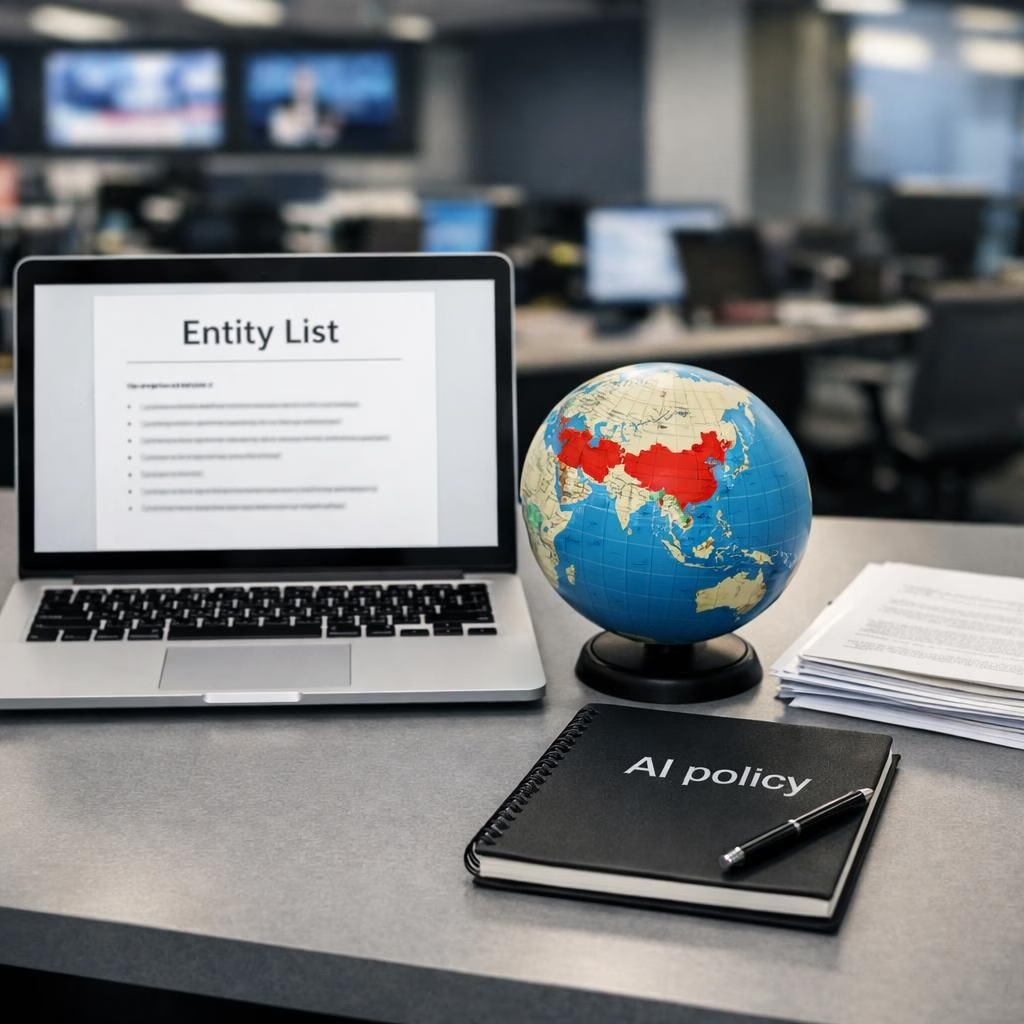
In the world of US-China tech headlines, this one reads like bureaucratic theater with a coffee stain on the script. DeepSeek, a Chinese AI startup that disrupted price expectations in January 2025 with a low-cost model, found itself wrapped in the familiar cloak of a potential inclusion on the Entity List. Reuters sources say DeepSeek was approved for inclusion last year, only to see the paperwork paused as a high-stakes conversation about US tech leadership heated up. CXMT, a memory chip maker, and more than 100 other firms tagged as national security risks linger in limbo between approval and publication. The pause isn’t a clean break; it’s a cautious bookmark in the long saga of US-China tech rivalry. Officials worry that publishing the listings could flare tensions with Beijing, and the whole thing becomes a case study in AI policy pragmatism. This is the kind of timing that makes policy wonks sigh, sip coffee, and pretend to be calm while plotting the next quarterly forecast.
US-China tech tensions and the AI policy landscape
Reuters reported that DeepSeek and more than 100 other firms flagged as national security risks were approved for addition to the Entity List last year, but publication was paused to avoid escalating tensions with China. The Entity List is a US trade tool that typically requires licenses for access to American goods and technology, with many licenses denied. The delay signals a cautious stance by Commerce Department officials who worry that broad blacklists could heighten AI policy tensions and complicate supply chains. The pause reflects the larger, ongoing struggle over who controls critical AI and chip capability in the US-China tech arena.
What the Entity List pause means for US-China tech
Sources say at least 75 Chinese entities involved in advanced semiconductors and AI model development had been cleared in principle but not yet published, underscoring how the process blends policy optics with strategic competition in US-China tech terms. Officials cited concerns about DeepSeek’s alleged links to military and intelligence operations, and the broader debate about whether such firms should face tighter controls. The dynamic has also entered the fray with industry groups and startups raising AI policy questions about access to US technologies and the potential chilling effect on innovation.
Implications for startups amid US-China tech competition
For developers and investors, the DeepSeek pause signals that policy timing can be as decisive as technical prowess in US-China tech circles. Startups working on affordable AI models face a shifting licensing landscape and potential delays in sourcing essential hardware. In practical terms, teams should monitor official license decisions, stay compliant with export controls, and engage with policy updates affecting AI policy considerations. Being proactive reduces risk when governments recalibrate access to American software and hardware.
FAQ: US-China tech and AI policy questions
-
Q: What is the Entity List and why does it matter for DeepSeek?
A: The Entity List is a US government trade blacklist that controls access to certain goods and technologies. Being on the list generally requires licenses to buy US software or hardware, and those licenses are often blocked, which can curb growth for affected companies.
-
Q: Why was the listing paused instead of published?
A: Officials say the pause gives room to calibrate national security concerns with broader US-China tech relations, aiming to avoid raising tensions while keeping policy options open for future actions tied to AI policy and competitiveness.
-
Q: How could this affect AI startups and US-China collaboration?
A: The pauses and potential sanctions add uncertainty around access to key US chips and software. Startups may need to diversify suppliers, adjust roadmaps, and engage with policymakers to understand evolving export controls within the AI policy framework.
In short, the DeepSeek pause illustrates how policy realities shape technology leadership in the US-China tech landscape. While the conversation remains unsettled, keeping track of licensing decisions and AI policy developments will help readers interpret the next moves from Washington and Beijing. For now, the best takeaway is vigilance: align product plans with policy signals and stay ready to adapt as the balance of control in this space shifts.