

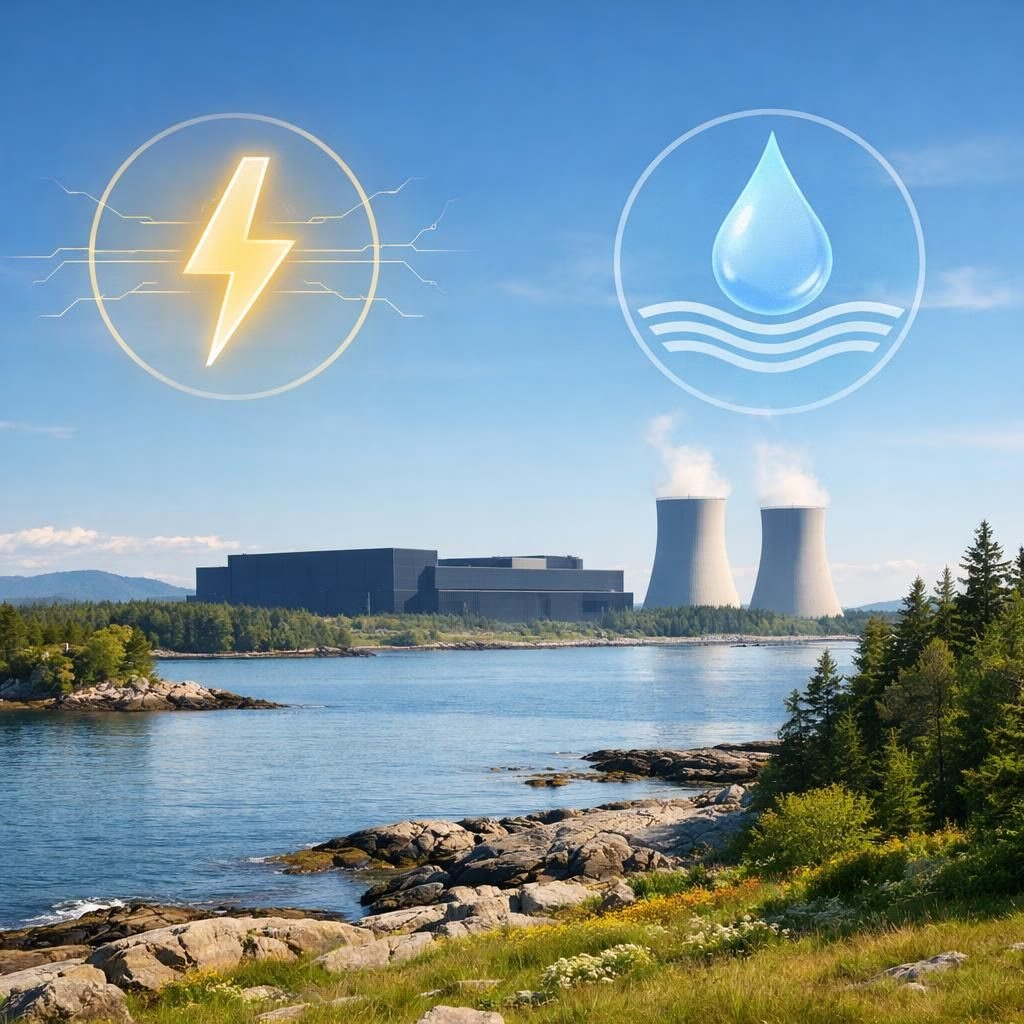
AI and data-centres are the odd couple facing Maine’s 18-month pause, a move that aims to slow a sprint toward power-hungry infrastructure while keeping curiosity alive in the tech economy. The plan is not a shutdown; it’s a thoughtful cooldown so lawmakers, utilities, and technologists can align on guardrails before the grid groans or the water taps run dry.
The bill cleared both Democratic-controlled chambers and imposes a pause on any new data-centres requiring more than 20 MW of power. During this 18-month window a state study group will assess long-term effects and propose permanent guardrails. The idea is to buy time for better planning and smarter cooling choices, not to spark a tech exodus from Maine.
Critics warn that giants using vast amounts of electricity can push up local utility bills and strain the grid. They also worry about water usage for cooling, which can affect nearby communities when the weather gets hot and the servers stay cool only in fantasy. Advocates counter that measured steps can encourage greener cooling, renewable power contracts, and more accurate reporting on energy footprints.
Some analysts believe Maine could attract smaller, modular data-centres that fit neatly into future energy plans, offering jobs without a skyrocketing electricity bill for households. The balance of risk and reward is delicate, but the state is clearly signaling that speed should not outrun stewardship.
AI implications for Maine’s zoning and utilities
AI progress often goes hand in hand with data-centres, and Maine’s pause reshapes the risk calculus for zoning boards and utility operators. The delay gives policymakers a chance to map where new centers could fit without overwhelming the transmission lines. It also invites industry players to invest in energy efficiency, better heat reuse, and clearer privacy commitments that reassure residents and regulators alike.
Data-centres energy and water footprint explained
Hyperscale data-centres drink power like a whale drinks the ocean, and their cooling needs pull large amounts of water from local sources. The Maine measure targets a big step back from a flood of new projects, while leaving room for projects that use enhanced cooling tech, air-cooled equipment, or geographic clustering that minimizes utility strain. The study group will examine whether water recycling, solar or wind power procurement, and on-site microgrids could make a future data-centres program less thirsty and more economical for neighbors.
National politics adds spice to the recipe. While Maine cements a local guardrail, the federal stance leans toward keeping markets open and innovation flowing. The tension is not merely ideological: it shapes incentives, funding, and how fast state regulators can respond when a new generation of AI workloads arrives. The result could be a patchwork of policies where some states experiment with cautious growth while others double down on incentives for rapid expansion.
For tech giants and cloud providers, the pause means rethinking where to place capacity and how to plan milestones. They may prioritize smaller, modular data-centres clusters, greener cooling, and shared power purchase agreements that ease the grid’s burden. The aim is not to abandon Maine but to show how responsible growth can coexist with a dynamic AI ecosystem that benefits residents and businesses alike.
Looking ahead, the guardrails proposed by the study group could set national benchmarks for energy efficiency, water stewardship, and transparency during AI deployment. Maine’s approach might become a model for other states weighing the benefits of AI innovation against environmental and utility costs. The coming months will reveal how much latitude states should have to regulate infrastructure while keeping that critical AI edge intact.
Special thanks to The New York Times for the original reporting. Original article: The New York Times.
We invite you to share your thoughts in the comments below and join the conversation about AI, data-centres, and our energy future in 2026.
Practical steps for AI and data-centres planning
- Municipal planners can map potential data-centre locations that minimize stress on transmission lines and neighbor communities.
- Operators should pursue energy-efficient cooling, heat reuse, and on-site generation where feasible.
- Utilities can emphasize transparent reporting on energy footprints and water use, plus drought-resilient cooling options.
- Governments and developers should engage communities early to discuss privacy, resilience, and environmental safeguards.
- Industry groups may explore modular, clustered data-centres with shared power purchase agreements to reduce grid impact.
FAQs about AI and data-centres in Maine
- What does the 18-month pause cover?
- The pause applies to new data-centres over 20 MW of power, allowing a state study group to review long-term effects and recommend guardrails.
- How could this affect local utility bills?
- Critics worry about higher costs while large facilities are idle; supporters argue that disciplined growth can reduce peak demand and improve planning.
- What guardrails might be proposed?
- Guardrails could include limits on capacity, requirements for energy efficiency, heat reuse plans, water management, and clear disclosure rules for residents.
- Will other states copy Maine’s approach?
- Some states are considering the idea, while others favor faster expansion. Federal policy could influence how quickly states move on these decisions.
References
- Original source: Times of India
- The New York Times for background coverage on AI and infrastructure policy