

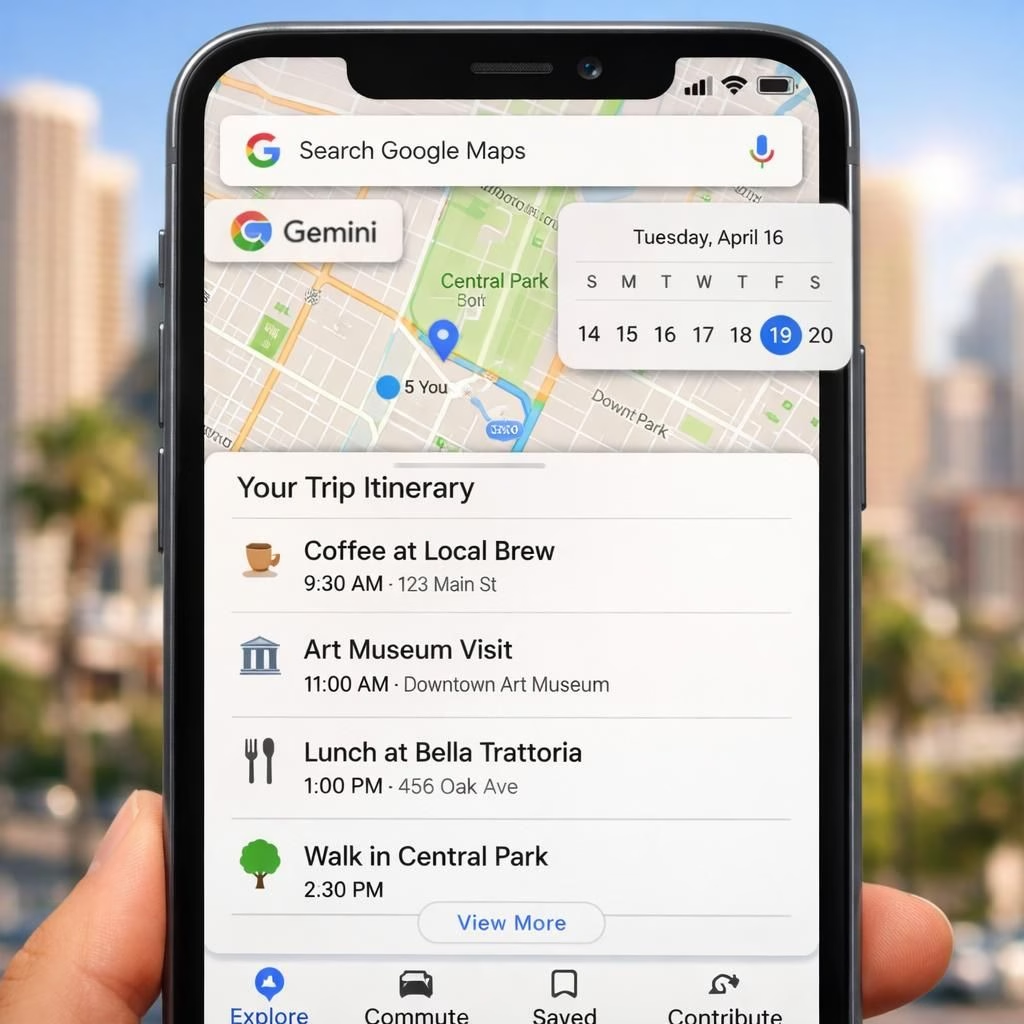
In this practical exploration, Google Maps with Gemini gets an AI glow-up that turns errands into an orchestrated adventure. Google Maps and Gemini co-stars in a day plan that respects your time and caffeine budget.
The chatter around this feature has been loud in 2026, with outlets like The Verge and Droid Life noting a new era where you can talk to your map. The vibe is playful, but the tech is serious: you describe your plans, and the system translates that into routes, reservations, and time estimates that feel almost human even as data is crunched to the second.
Google Maps and Gemini: Day Planning Redefined
At its core, Gemini inside Google Maps is an itinerary assistant. You start with a rough plan, and Gemini refines it. It checks live traffic, weather, and local openings, then proposes a sequence that minimizes backtracking. The result is a day that flows rather than stalls. The interface remains familiar, but the AI layer adds a gentle nudge toward efficiency.
For a typical day in 2026, the plan might begin with a coffee pickup, then a museum stop, followed by a lunch reservation, with transit times updated in real time. Gemini can nudge you if a venue overruns, and it can reshuffle the rest of the day to keep you on track. The key point is that Google Maps remains your map, while Gemini acts as a thoughtful co-pilot.
Gemini inside Google Maps: Real-Time Travel Smarts
Real-time insights are where the magic happens. You ask the map a question, and you get a response that blends navigation with practical tips. Which bus is fastest now? Where is the nearest coffee shop with a power outlet? How late is the last entry at the art gallery? Gemini processes the question, fetches options, and formats them into a clean, actionable answer.
In practice, this means fewer back-and-forths, more confident decisions, and less mental load. The AI does not just spit out a route; it offers context. It highlights potential delays, suggests quieter times to visit, and even suggests a lunch spot aligned with your dietary preference. The human touch remains intact—the tool asks what matters most to you and adapts as you go.
Beyond planning, Gemini‘s conversational abilities can help you while you are en route. If you need a detour to pick up a package or want to swap a museum for a park, you can speak casually and receive updates without pulling yourself from the moment. The experience is less about chasing perfection and more about maintaining momentum throughout a busy day.
Tips for Maximizing Google Maps with Gemini
Plan a day with intent but leave space for serendipity. Start by telling Gemini your top three priorities and any time constraints. You can specify that you want a morning caffeine fix, a mid-morning museum break, and a sunset walk. Gemini will propose a plan that respects those anchors while offering alternative options if traffic spikes occur.
Use voice prompts to keep your hands free. Speak clearly, and the AI will understand queries like “What’s the fastest route to the bakery now?” or “Show me a café with a view after this exhibit.” The more you interact, the better the assistant understands your preferences, and the easier it becomes to make quick decisions.
Remember to review the plan. Short checks help you catch unreasonable gaps, such as a long ride between two back-to-back stops. You can swap activities or push a lunch time by a few minutes. The goal is a rhythm that feels natural, not a rigid timetable that adds stress.
Keep privacy and data usage in mind. The features are designed to respect user consent, but you should be mindful of the amount of personal location data you share. You can adjust settings to balance convenience with privacy. The team behind Google Maps and Gemini emphasizes transparency, and the result is a tool you can trust when used thoughtfully.
In short, using Google Maps with Gemini in 2026 transforms how you move through a day. It’s not about creating a perfect plan but about offering a smarter framework that adapts as you live your life. The collaboration brings together robust mapping data and sophisticated conversational AI, letting you focus on the moment rather than the logistics.
Original inspiration for this piece comes from The Verge’s coverage of Gemini in Maps. A big thank you to The Verge for the thoughtful kickoff and the spark that sparked this lively exploration. Read the original article here: The Verge original coverage.
If you enjoyed this, share your thoughts in the comments below and tell us how Google Maps and Gemini have changed your daily routine. We love hearing real-world experiences and tips from readers like you.
Original attribution and thanks: The Verge’s coverage, which inspired this rewrite about Google Maps and Gemini in 2026, is gratefully acknowledged. See the original article here: The Verge article.