

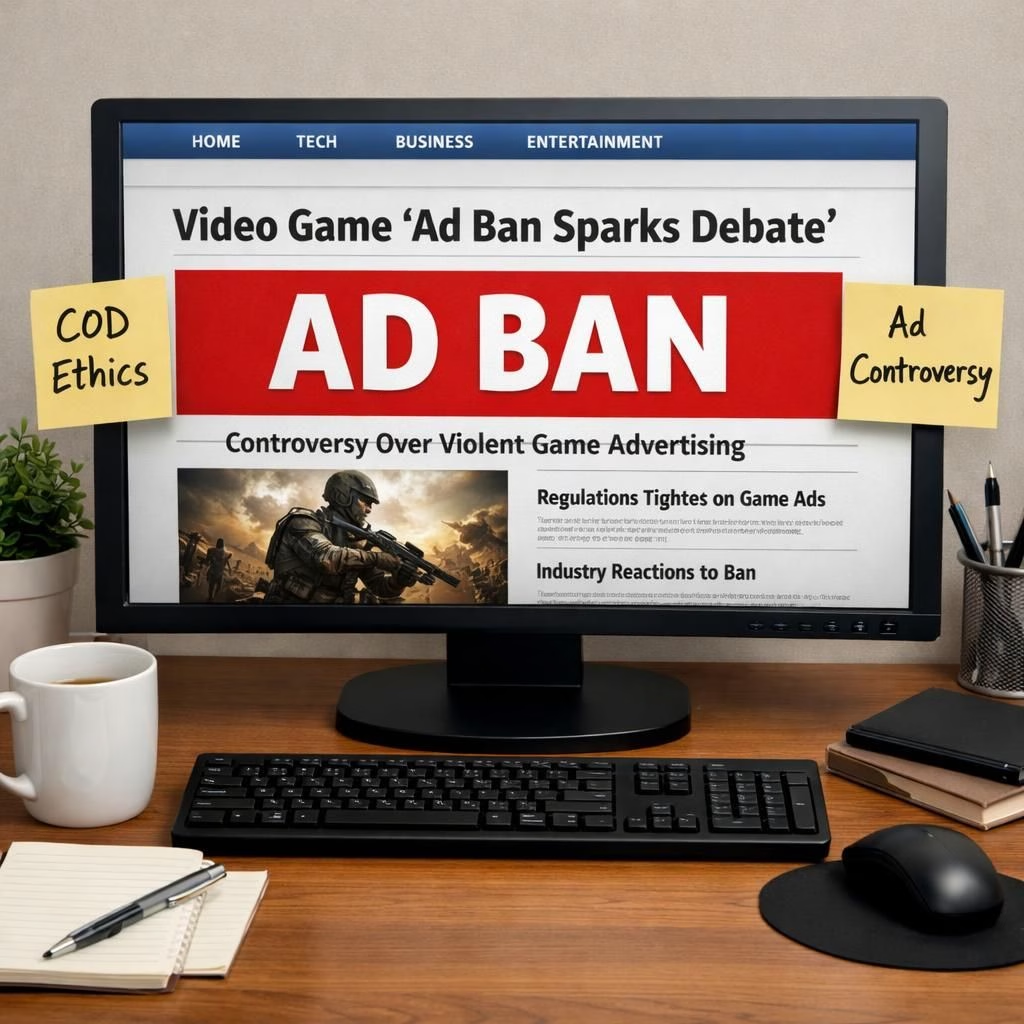
COD Ethics and Ad Controversy collide in the latest headline about Call of Duty: Black Ops 7, whose ad was banned after a sexual assault joke drew fire from players, sponsors, and regulators. In 2026, brands must weigh edgy humor against real-world harm, and many learn this lesson the hard way. This article preserves the core truth while offering a positive, slightly satirical take on how marketers can navigate the minefield with pragmatism and wit.
COD Ethics Meets Ad Controversy in the 2026 Gaming Ad Ban
When an ad for Black Ops 7 landed on social feeds, it included a joke about sexual assault that crossed a line. The reaction was swift: a ban, a flurry of apologies, and a note that brand safety matters more than a provocative punchline. The situation isn’t unique to gaming, but it hits the genre with a sharper focus because fans, streamers, and advertisers share a tightly knit ecosystem. COD Ethics here is not a sermon but a set of guardrails: avoid harm, respect consent, and prize clarity over shock value. Ad Controversy shows up as a reminder that humor can persuade or alienate, depending on the audience, timing, and the platform. The outcome underscores that campaigns must align with community standards while preserving creative voice.
Ad Controversy as a COD Ethics Case Study in Marketing to Gamers
From a practical perspective, Ad Controversy teaches marketers three core lessons. First, test jokes with diverse focus groups and run a risk assessment that quantifies potential damage. Second, have a fast, transparent apology path and a clear plan to make amends. Third, document the decision process so teams learn what happened and avoid repeating the mistake. In this frame, COD Ethics becomes a living guideline rather than a dry policy page. The gaming community values candor; leaders who admit a misstep and describe corrective steps build trust faster than a PR flood of generic statements. The case also invites a broader discussion about how much satire a brand can reasonably contain without shifting into harm. It isn’t about killing humor; it is about calibrating humor to protect players and the brand alike.
Additionally, the incident offers a reminder that advertising ethics in 2026 require cross-functional checks. Legal, compliance, creative, community managers, and data analysts all contribute to a safer, more sustainable voice. When used well, humor can still illuminate problems, spark conversation, and humanize a company. When misused, it can isolate fans or provoke sanctions that hurt revenue and reputation. The balance is delicate, but a well-structured governance model can help teams stay creative without stepping into a minefield. The lesson for future campaigns is simple: design for the broadest possible audience while respecting the most vulnerable members of that audience. This is the practical version of COD Ethics in everyday marketing practice.
Practical takeaways are worth keeping handy for anyone who designs ads, streams, or in-game events. The goal is to keep humor sharp but not sharp enough to sting people who are already dealing with harassment online. Below are a few quick rules that echo COD Ethics and Ad Controversy in a constructive way:
- Define the line early. Map out what constitutes acceptable humor and what crosses into harmful territory off-screen as well as on-screen.
- Run multi-audience tests. Include players from different regions, genders, and accessibility needs to gauge reception.
- Prepare a real-time response plan. Acknowledge, apologize, and explain steps to remediate without delays.
- Use data to learn. Track sentiment and adjust future campaigns accordingly so you grow wiser, not more reckless.
- Keep the creative spark. Reframe risky ideas into clever, inclusive humor that includes players as partners in the joke.
In the end, the Black Ops 7 ad ban is less a punchline and more a prompt for better process. COD Ethics remains a compass for teams who want to tell bold stories without burning bridges with fans or regulators. Ad Controversy, handled well, can sharpen a brand and spark healthier conversations about consent, respect, and the responsibilities that come with a large audience. The entire episode is a case study in how to balance risk with creativity, and it points toward a future where gaming brands entertain without causing harm.
If you enjoyed this analysis or disagree with any takeaway, please share your thoughts in the comments. For readers who want to explore the original reporting, we extend thanks to Kotaku for their coverage of Call of Duty: Black Ops 7 and the surrounding advertising debate. Original article: Kotaku – Original coverage material.
COD Ethics in Practice: Practical steps
The following quick steps illustrate how COD Ethics can guide real campaigns and keep Ad Controversy from derailing a brand:
- Document risk thresholds before a campaign launches and revisit them as ideas evolve.
- Set a clear, public-facing apology protocol and immediate remediation plan.
- Embed cross-functional reviews (legal, creative, community) into the creative process.
Ad Controversy in practice
In real-world terms, Ad Controversy becomes a shared signal for responsible storytelling that still resonates with audiences.
FAQ
- What is Ad Controversy in this context?
- It refers to risks when advertising messaging confronts sensitive topics. The goal is to balance edginess with respect for users and communities.
- How can brands balance humor and safety?
- By defining safety lines early, testing with diverse audiences, and maintaining a transparent remediation process when missteps occur.
- Where can I learn more about advertising guidelines?
- Explore official guidance from the FTC on online advertising and from the ASA CAP Code for regional best practices.
References
- Kotaku – Call of Duty: Black Ops 7 ad ban coverage
- FTC guidance on online advertising and marketing
- ASA CAP Code and advertising rules