

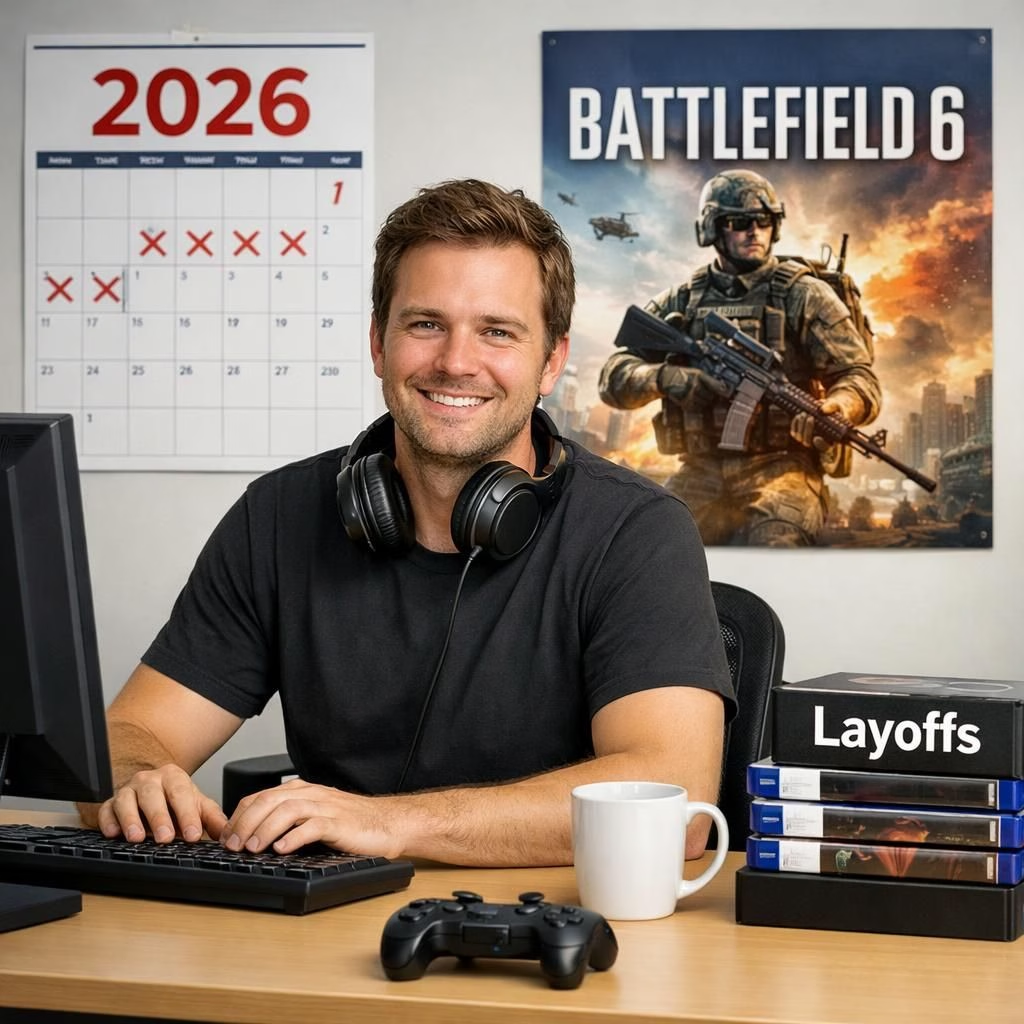
When people talk about Battlefield 6 and Layoffs, they touch a curious moment in 2026: a blockbuster launch paired with corporate restructuring. The story is odd, amusing, and instructive all at once. Battlefield 6, despite the chatter about Layoffs, demonstrates how a strong launch can fuel momentum that transcends Layoffs and redirects energy toward creative growth. As the year unfolds, players and developers watch the pattern: big numbers, careful investments, and a human side to the headlines about Battlefield 6.
As 2026 unfolds, the narrative around Battlefield 6’s launch shows that a big hit can support broader strategy. Battlefield 6 remains a central pillar of the portfolio, and Battlefield 6 fans know the name well. The sales numbers peaked; the company responded with careful staffing, not doom. The contrast between a blockbuster launch and a staff reduction is a truth check for the industry: revenue and world-building can coexist with difficult choices. In practice, the company reorganizes some studios, shifts roles, and doubles down on live service. The goal is to turn a peak into a sustainable climb, not a detour into a valley of Layoffs across Battlefield studios. For fans, the news becomes a reminder that great games require a mix of bold ideas and steady discipline.
Battlefield 6 and Layoffs: A 2026 Reality Check
In reality, Battlefield 6 became the best-selling game of 2025 in many markets, a milestone that should be celebrated. It sold more copies, attracted bigger streams, and kept players engaged with regular updates. Yet, behind the headlines, Layoffs across studios were part of a broader restructuring effort. The move might feel jarring to fans, but it is a familiar pattern in large IP ecosystems. The goal is to sharpen focus, align teams with live-service cycles, and invest in better tools and engine upgrades. The result is not a crash but a pivot, a chance to reinvest in the parts of the project that fans notice most: polished combat, satisfying progression, and meaningful new content that returns players to the field. The phrase Battlefield 6 conveys that momentum can be a catalyst for more robust planning and a healthier design culture, even when Layoffs appear in the same portfolio of headlines.
Battlefield 6’s Success Amid Layoffs: What It Means for Players
For players, the headline tension translates into better servers, faster patches, and more transparent roadmaps. When a studio reorganizes after a blockbuster, it often translates into crisper updates, less scope creep, and stronger QA pipelines. The phrase biggest launch in franchise history is not a trap for disappointment; it is a promise that numbers can feed longer-term quality. The 2026 strategy emphasizes cross-studio collaboration, shared tools, and a clearer vision for future seasons. In practical terms, that means more consistent events, better balance patches, and deeper replays across modes that fans love. The data point that matters is this: a star on the chart does not guarantee a simple path forward, but it can fund meaningful improvements that players notice in every match and every login. This optimistic outlook helps translate the tough decisions, like Layoffs, into visible gains in gameplay and community health.
Industry analysts point out several practical implications. Teams align around core gameplay loops, core features, and reliable release cadences. Developers gain better access to unified asset pipelines, so updates arrive faster and with fewer bugs. Players see smoother matchmaking, fewer downtimes, and more reliable seasonal content. These improvements do not erase the pain of Layoffs, but they do demonstrate that the organization uses setbacks to reallocate energy toward what matters most to fans: a satisfying combat feel, rewarding progression, and meaningful social Play experiences. Battlefield 6’s long-term plan includes cross-studio mentorship, clearer career ladders, and opportunities to transition within the company for those who want to grow rather than leave. This approach protects essential talent and signals respect for the people behind the games.
For developers, the narrative matters too. A well-handled Layoffs becomes a quiet catalyst for better games. Transparent communication, retraining programs, and open forums help teams stay cohesive. The goal is to retain critical engineers, designers, and testers while allowing non-core roles to evolve. When done well, Layoffs can pave the way for more focused content, fewer distractions, and a stronger engine that powers future expansions. Consider how Battlefield 6’s record launch creates a safety net for experiments in new modes, and how that safety net allows teams to test bolder ideas without fearing a sudden budget cut. The year 2026 invites us to see the upside: growth that respects people, players, and the creative spine of the franchise.
In sum, Battlefield 6 demonstrates that a blockbuster launch can coexist with deliberate pruning and strategic refocus. The goal is a stronger, more durable ecosystem where players return for reliable updates, and developers gain the space to innovate. The 2026 horizon suggests continued revenue, deeper player engagement, and a culture that treats Layoffs as a process, not a verdict. The tension between success and cost is not a failure; it is a case study in balancing ambition with operational discipline. For fans, that means more dependable seasons, better matchmaking, and a sense that the team behind Battlefield 6 remains committed to making the next wave of updates even more satisfying than the last.
Original reporting and context: Thanks to Kotaku for the original coverage that informs this piece: Kotaku coverage on Battlefield 6 and the launch narrative.
Thank you for reading and for considering the perspectives in this piece. If you have thoughts to share about Battlefield 6 and Layoffs, please leave a comment below and join the discussion. Your insights help shape a balanced view of the gaming industry in 2026.
Layoffs and Live-Service: A Battlefield 6 Case Study
As a practical takeaway, players can look for how cross-studio collaboration and a clearer content calendar translate into steadier seasons and more reliable patches. Fans may notice shorter patch cycles, tighter QA, and better matchmaking across modes as teams focus on the core combat feel that makes Battlefield 6 stand out.
Battlefield 6: Momentum, Mechanics, and Layoffs
The broader message is that momentum from a big release can fund engine improvements, new content, and smarter resourcing without compromising the people who built the game. The 2026 horizon points to continued revenue growth, deeper player engagement, and a culture that views Layoffs as a process rather than a verdict.
FAQ
- What does Battlefield 6’s launch mean for players right now?
Expect more stable servers, quicker patches, and clearer roadmaps as studios align around live-service goals. This is about quality, not just numbers on a chart.
- Will Layoffs affect future content?
While workforce adjustments can be painful, the overall strategy aims to protect core talent and accelerate development of durable features, new modes, and better tools for ongoing seasons.
- Where can I learn more about the broader industry context?
Reliable outlets and industry analyses can provide deeper context on how big launches interact with organizational changes.
Conclusion
Battlefield 6 shows that a blockbuster launch can coexist with deliberate restructuring when guided by a clear long-term plan. The takeaway for players is straightforward: expect more dependable seasons, fairer progressions, and a community still centered on rewarding, competitive combat. For developers, the story highlights the value of transparent communication, targeted retraining, and a shared toolkit that keeps future updates on track. In 2026, momentum and discipline work together to keep Battlefield 6 evolving while honoring the people who bring it to life.