

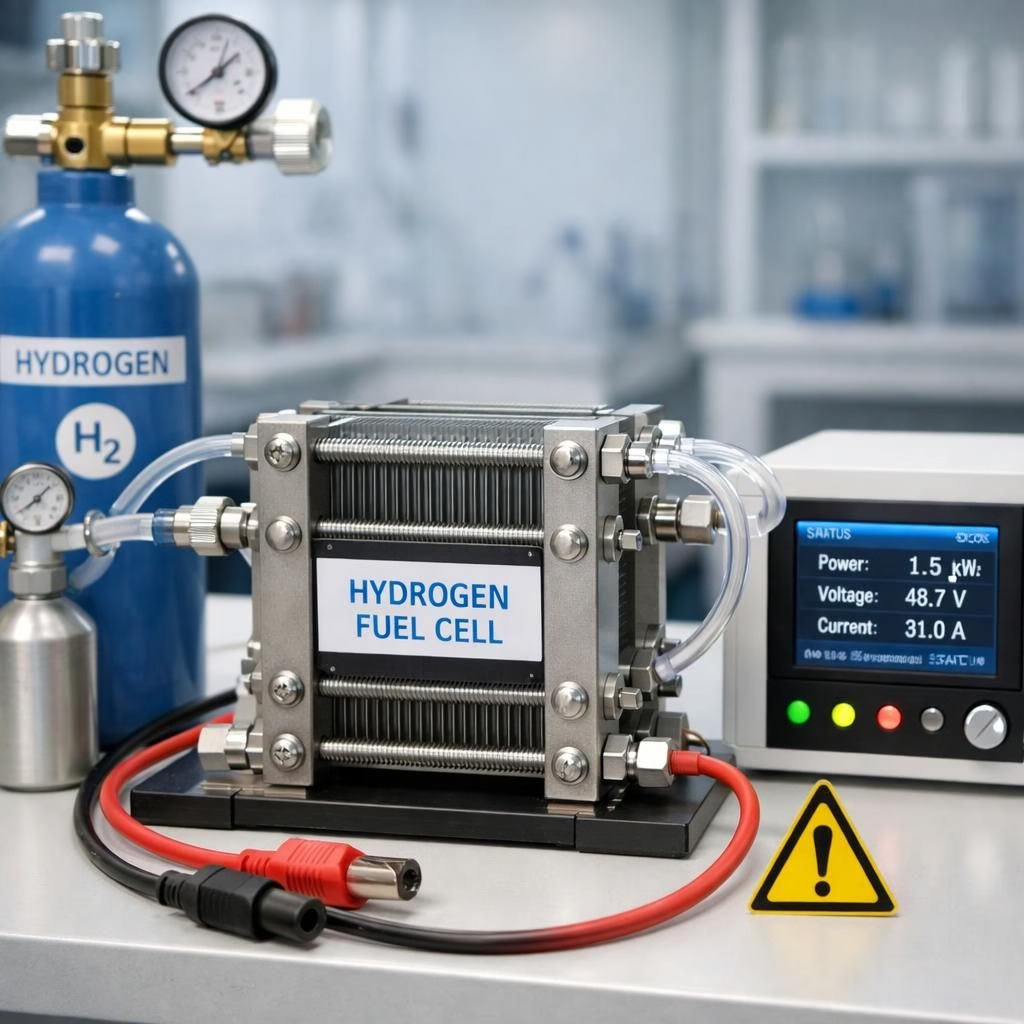
In 2026, Powercell rode high on hydrogen ethics promises and big bets. The field is bright, yet ethics complicate the path. Inside the company, engineers warned that their fuel cells might not meet the hype. Internal documents and tests reviewed by SVT and NRK show a troubling gap between promise and lab reality. The term lifespan mattered: it could make or break trust, debt, and orders. Alarms were raised for years and stored in emails, test reports, and board notes. Yet the numbers remained the anchor investors used to judge risk. The tension between optimism and realism is common in tech. In this case, it speaks loudly about Powercell.
Hydrogen ethics in practice: Powercell’s lifespans vs tests
The marketing claimed 33,000 hours, but tests show only about 3,000 hours. Staff described the technology as technically immature. Employees have raised alarms for years and said management ignored them. One source called it fraud, saying alarms came from within but were suppressed. CEO Richard Berkling and the leadership dispute the charge, insisting current products differ from older tests. They claim the latest systems are updated and improved. Yet public records tell a different story: a gap between what is said and what tests show. The situation fuels both hydrogen optimism and ethics questions. Powercell remains listed on the Stockholm Stock Exchange with a market cap near 1.3 billion SEK.
Hydrogen ethics in investor reality: markets, metrics, and meaning
Investors gauge risk through numbers. When a company touts a long lifespan in hours, investors look for reliability and regulatory compliance. In 2026, the discrepancy between promise and performance matters more than fancy demos. The Stockholm listing is real; the market cap is about 1.3 billion SEK, a figure that rises and falls with headlines about aging cells and new warranties. For customers, the difference between a 33,000-hour pitch and a 3,000-hour test is not just a statistic; it is a matter of planned maintenance, service costs, and confidence in green technology. ethics fans want clean energy, ethics demands honesty. When an internal warning system rings false, trust erodes and questions proliferate. In the long run, the ethics of corporate governance in hydrogen tech demand openness, accountability, and a clear path to improvement. The Powercell case becomes a case study in how quickly promise can collide with reality, and how the market responds to both.
As the story unfolds, we see that a robust debate on hydrogen innovation needs both ambition and audit. The line between aggressive R&D and misleading marketing is thin. Powercell is not alone; the industry watches and learns. The public deserves transparent data, thorough testing, and a credible roadmap for 2026 and beyond. If the internal warnings have value, they should guide product revisions, warranties, and customer communication. ethics in practice means constant scrutiny, ongoing validation, and a willingness to correct course when the timetable slips. The good news is that the dialogue continues, and readers like you can shape future accountability by demanding clarity and sharing feedback.
What do you think about these revelations? Share your thoughts in the comments below to keep the conversation honest and constructive.
Original reporting: SVT and NRK. Thank you to the teams at SVT and NRK for their investigative work. See their coverage: SVT · NRK.
Practical steps for stakeholders navigating hydrogen technology
- Ask for updated, independent life-cycle testing on current product generations.
- Request clear warranties and maintenance guidelines aligned with test results.
- Compare lab results with marketing claims and regulatory filings.
- Track public disclosures and factory-level quality metrics for transparency.
- Establish a documented process for elevating internal warnings to the board, with deadlines and accountability.
- Audit supplier and partner claims to ensure consistency in data and reporting.
Frequently asked questions
- What happened at Powercell?
- Internal warnings about lifespans reportedly clashed with marketing claims, with leadership defending updated products.
- How could this affect customers?
- Maintenance schedules, warranties, and total ownership costs may change as new data emerges.
- What does the company say in response?
- Executives say current products differ from older test results, and that newer systems are improved.
- Where can I read the original reporting?
- See SVT and NRK coverage linked in the article, plus the MarketScreener reference at the end.
For readers seeking broader context, industry sources note the importance of credible testing and governance in hydrogen innovation. See the IEA Hydrogen overview and discussions in executive strategy literature, such as the Harvard Business Review piece on ethics in business.
Conclusion: transparency is the baseline for progress
Promising technology requires credible proof and a clear path to accountability. The Powercell case underscores how ethics and due diligence matter as hydrogen breakthroughs scale from lab benches to boardrooms.
References
- Original reporting: SVT and NRK. See their coverage: SVT · NRK.
- IEA Hydrogen overview
- Why ethics matters in business
- MarketScreener linkback: Powercell: internal alarms at Powercell over hydrogen technology flaws (MarketScreener)