

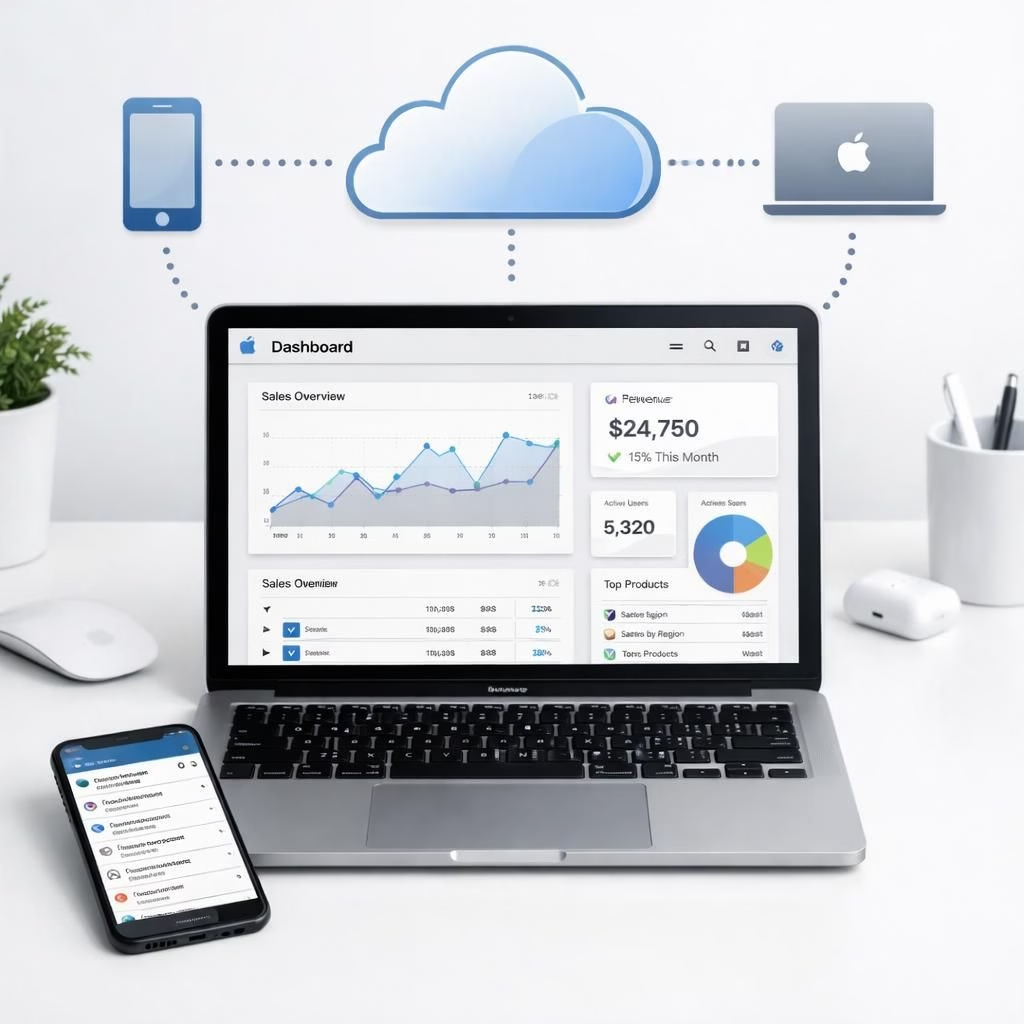
In 2026, Apple rolled out a bold new all-in-one platform designed to tame workplace chaos: Apple Business now bundles Device Management, Email, and Customer Engagement into a single, sane pane of glass. IT teams can enroll devices, push policies, and monitor enrollment from a common dashboard, cutting the cognitive load of juggling five different consoles and a calendar full of reminders.
Apple Business and Device Management in One Seamless Suite
The new platform promises a unified workflow: device enrollment is streamlined with zero-touch provisioning, email is integrated for branding and security, and customer engagement tools help teams reach clients without leaving the keyboard. The emphasis is on security, control, and a smoother user experience for every employee, from the frontline salesperson to the remote software engineer.
In practice, admins get a centralized console where they can define roles, apply policy templates, and track device health across geographies. Certification and compliance features are baked in, making audits less scary and more, well, executable. For a multi-region rollout, the Device Management layer helps keep policies consistent.
In addition, admins will appreciate three practical benefits:
- Unified enrollment and policy rollout across devices and apps
- Clear policy templates and easy roll-out
- Analytics that tie device health to user engagement
How Apple Business Elevates Device Management with Email and Engagement
From a technical standpoint, the platform aims to reduce the number of fiefdoms in an enterprise’s IT stack. Expect tighter integration with email security standards, better phishing resistance, and clearer visibility into user engagement trends. The dashboard emphasizes observability: dashboards, alerts, and batch actions are all designed to be fast, intuitive, and non-bureaucratic. In short, IT gains control without the usual paperwork avalanche. The Device Management layer merges security policies and device health insights.
Beyond IT, the impact touches end users as well. Employees experience smoother sign-ons, consistent device behavior, and more reliable email delivery with less spam noise. The unified approach minimizes context-switching, letting teams focus on what they do best—creating value for customers, not fighting the toolchain.
For teams collaborating across borders, the platform brings governance and localization features that scale. Admins can configure regional policies without duplicating effort, ensuring that security standards stay firm while local teams keep their unique workflows. The result is a frictionless experience for users and a lighter load for IT support, which is basically a win-win, if you’re into those.
What does this mean for the future of enterprise mobility and customer experience? It means a calmer IT department, a more predictable security posture, and a stronger connection between device health, email reliability, and customer interactions. The goal is not just to manage devices but to empower teams to work securely and confidently from anywhere.
In 2026, the Apple Business platform presents a practical, user-friendly approach to modern IT: combine essential tools, reduce repetitive tasks, and boost cross-team alignment. The result is a system that is easier to deploy, easier to maintain, and easier to scale as business needs evolve in 2026 and beyond.
Thanks to the original reporting from MacRumors and partner outlets, readers get a broad snapshot of what’s new and why it matters. Original coverage and deeper dives can be found via the links below, and we appreciate the original material that sparked this exploration.
Original coverage: MacRumors. Special thanks for the original article providing context for this rewrite.
Have thoughts? Share your ideas and experiences with similar platforms in the comments below.
Practical deployment steps
- Plan a pilot in one region using the Apple Business suite.
- Map existing policy templates to the unified approach.
- Enable zero-touch enrollment for pilot devices.
- Monitor outcomes and iterate templates based on feedback.
FAQ
What is Apple Business Platform?
It’s a unified platform that combines several tools into a single management experience for IT and end users.
Does Device Management come with the platform?
Yes. The Device Management capabilities are integrated, helping admins enroll devices, enforce policies, and monitor health across locations.
How does the platform affect end users?
End users see smoother sign-ins, consistent device behavior, and more reliable email delivery, which reduces friction and improves productivity.