

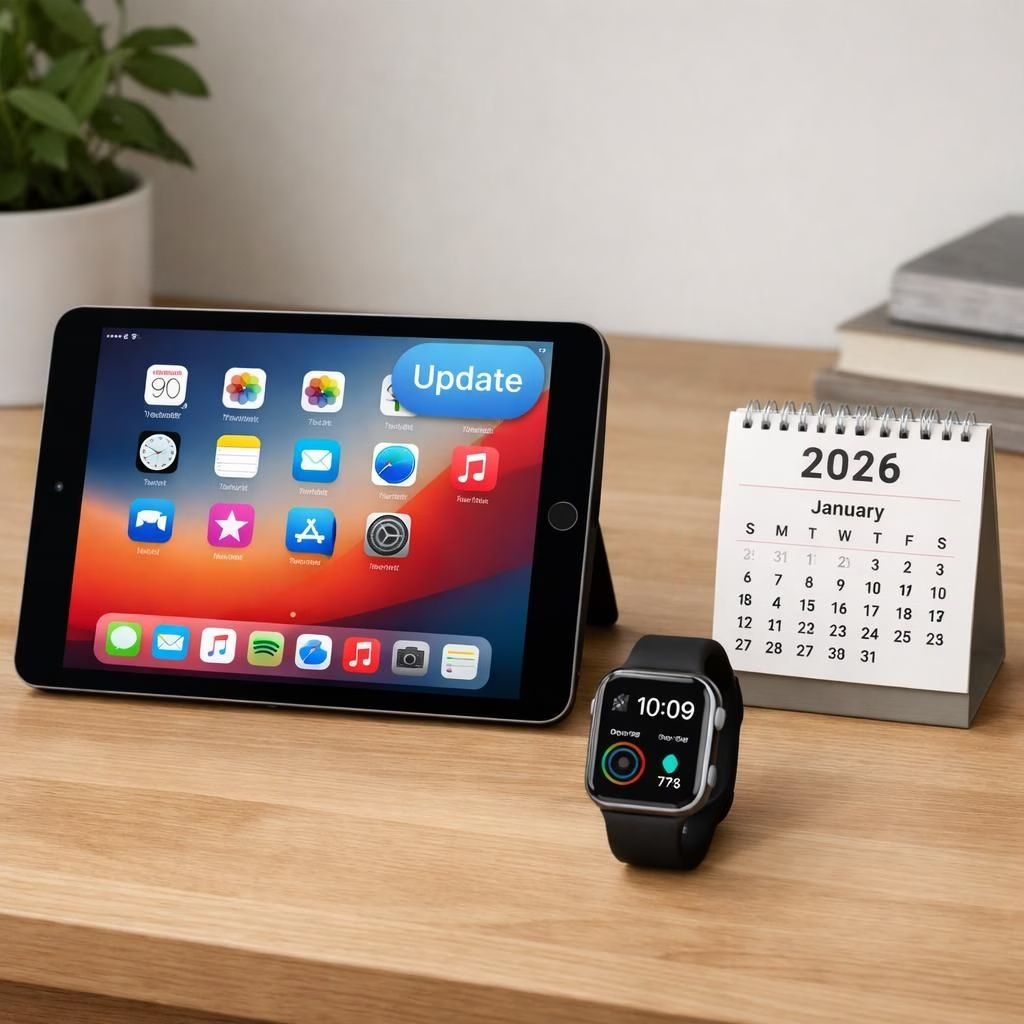
In 2026, Apple OS updates feel like a pruning exercise, and Device compatibility is the weather forecast you didn’t know you needed. Apple has started dropping support for a long list of older iPads and Apple Watches with the latest OS updates, a move that stings for some and liberates for others who want better security and faster performance. The core truth remains: updates bring security, new features, and a chance to declutter the ecosystem for developers and users alike.
Why now? The short version is that keeping every old device up to date stretches resources thin. The longer version? Modern OS codebases favor security, efficiency, and a clean API surface. For users, this means better app experiences on newer hardware and fewer gnarly edge cases on aging devices. For the companies behind the OS, it means fewer migration headaches and more room to innovate. In practice, this translates to a tighter ecosystem where current hardware receives features first, and older hardware eventually lands in a maintenance mode rather than a feature upgrade sprint. With Apple OS updates, resources can be allocated toward security and efficiency without slowing essential app experiences.
Apple OS updates: what changed for devices
The most visible change is a shrinking compatibility list. The latest OS updates squarely target recent iPads and Apple Watches. Older devices may still run the system, but they won’t receive the newest features or security patches at the same pace. For practical terms, this means fewer new capabilities on skipped devices and a more cohesive experience on supported hardware. However, this isn’t doom; it’s a nudge toward secure, optimized performance for the majority of users who stay current. In short, Apple OS updates push the sunset of legacy support in favor of a brighter, faster sunrise for the rest of the lineup.
Device compatibility: who stays and who goes
Device compatibility becomes a steely but friendly gatekeeper. The devices that remain in the update loop enjoy smoother software pipelines, better battery management, and a steady stream of features. Those that drop out face the reality of fewer upgrades and longer gaps between security fixes. The silver lining? This shift reduces the burden on developers who must test against dozens of generations. It also makes it easier for accessory makers to calibrate to the majority, not the outliers. The result is less fragmentation and more dependable experiences for the vast majority of users who own current devices.
For many readers, Device compatibility will influence whether they upgrade now or wait. Of course, there are exceptions. Some users cling to their favorite iPads from a bygone era, or rely on an Apple Watch Ultra 1 for daily routines. The planning for upgrades becomes a personal exercise: weigh security, speed, and the joy of not buying tech every 18 months. This is not a lecture; it’s a practical adaptation in a world where devices age as gracefully as a well-loved charger cord.
Future-proofing with Apple OS updates
As a result, the upgrade cadence gets clearer: keep what you actively use, replace the rest on a planned timeline, and enjoy a more secure, stable environment. The 2026 update cycle brings improved privacy controls, smarter on-device AI features, and better energy management. For Apple, this is a way to invest in core technologies while still enabling delightfully quick experiences on supported devices. For users, it is a nudge toward a plan rather than a panic attack when a device suddenly tells you it’s not compatible anymore.
Looking ahead, 2026 seems filled with opportunities to upgrade responsibly and to celebrate the devices that still run well. If you disagree, or you simply want to share your own upgrade plan, drop a comment and tell us how you navigate these changes.
Original article: The Verge — thank you for the original reporting that inspired this recap.
References
External sources: The Verge report, Apple Support.