

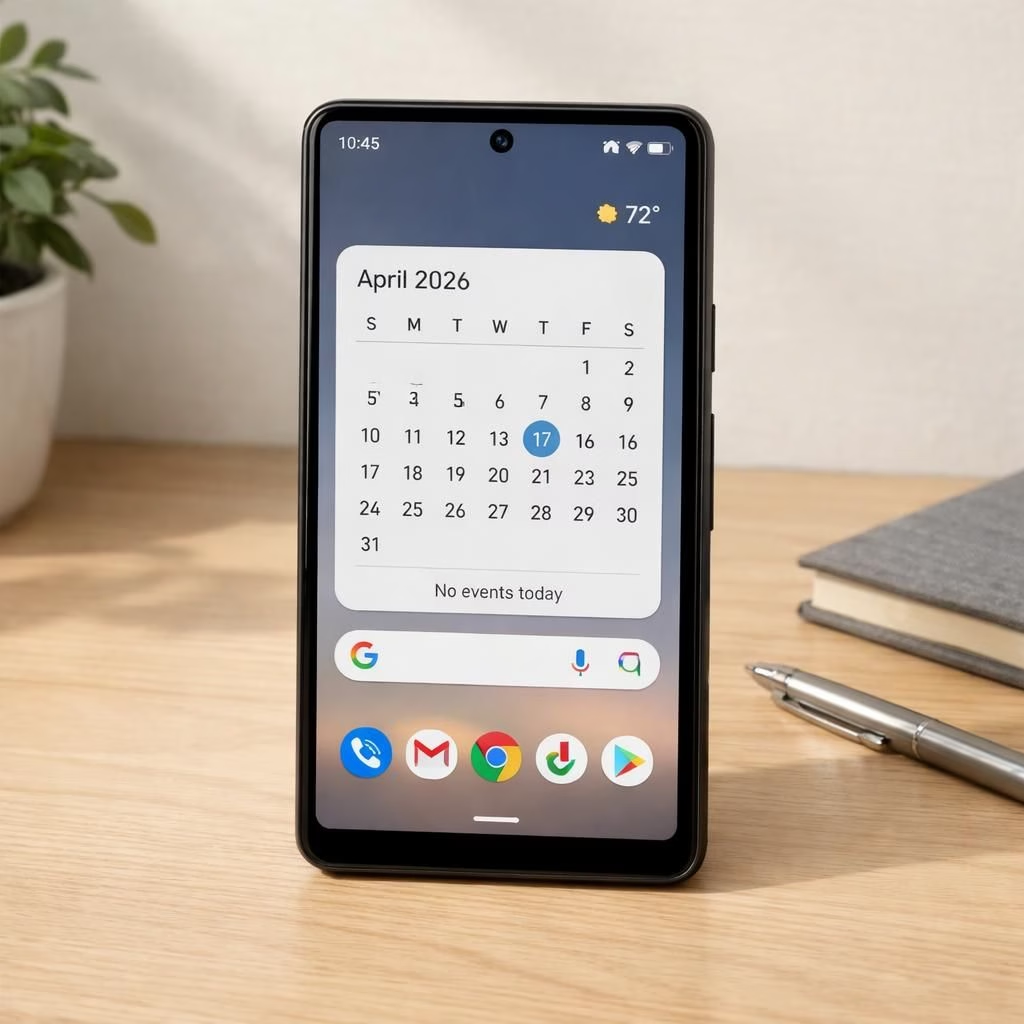
In 2026, the Android ecosystem gets a nudge with the Android Pixel UI Update 2026, a release that promises smoother apps and fewer crashes—but also invites a few questions from Pixel fans. The rollout follows a chorus of reports about rough patches in the March patch, and it aims to convert a bumpy spring into a reliable performance boost. The goal is clear: stabilize Pixel devices without turning April into a perpetual beta test, all while keeping the user experience friendly enough for everyday tasks and occasional meme-worthy moments.
Android Pixel UI Update 2026: A Mixed Bag for Pixel UI Lovers
Early adopters report that the Pixel UI feels more responsive, with apps launching a touch quicker and animations gliding a bit smoother. That said, the reality check is stubborn: not every Android device breathes easy after the March update. Some phones boot normally, others catch a boot loop, and a few units stubbornly refuse to wake up at all. This is not a global catastrophe, but it is a reminder that software can be a moving target, especially when hardware variations and carrier tweaks enter the scene. Enthusiasts and technicians compare notes in forums, sharing logs and project-worthy tips as if they’re curating a giant, very polite troubleshooting wiki. It’s not glamorous, but it is exactly how the Android ecosystem learns to iterate—through plain-spoken user feedback and a bit of trial and error. The Pixel UI team deserves credit for pushing updates that feel tangible on many days, while also acknowledging that a subset of devices still grapples with stability issues after the update. In short: progress is real, but it isn’t universal, and that’s the reality of a complex Android landscape with diverse Pixel hardware.
The broader Android community benefits when the Pixel UI update lands. More people experience improved crash handling in essential apps, tighter memory management for background tasks, and a more consistent notification surface. Yet the same community also documents cases where the March patch exposes lingering quirks, such as minor UI stutter during heavy scrolling or occasional heat spikes under sustained use. The dual nature of this update—triumph in some corners, stubborn bugs in others—feels almost poetic: innovation arriving with a tiny, very human caveat. For Android fans who measure progress in tiny, incremental wins rather than a single, glorious leap, this is exactly the kind of release that invites careful real-world testing and patient optimism. Pixel UI remains the star of the show, but the supporting cast—which includes kernel tweaks, driver updates, and app-level compat notes—still has some lines to learn before the performance ballet feels flawless.
Pixel UI Troubleshooting: Android users share fixes and cautions
If you’re wondering what to do in the wake of mixed results, you’re not alone. The Pixel UI team has published standard best practices: clear app caches where helpful, ensure you’re on the latest security patch, and monitor battery drains after high-load sessions. The Android community contributes a steady stream of pragmatic workarounds, from performing a clean boot after updates to rolling back specific apps that may not yet be fully compatible with the Pixel UI changes. This collaborative energy—Android fans sharing logs, screenshots, and test results—helps create an ever-expanding repository of know-how that benefits everyone who owns a Pixel device.
On fewer devices, users report that a clean re-flash or a couple of reboots don’t fully resolve the boot issues, which suggests deeper compatibility questions between the March patch and some hardware configurations. The tone of the discussion remains constructive: people are sharing what works, acknowledging limitations, and waiting for official guidance when a bug is stubborn or repeatable. It’s a reminder that Android updates are often a team sport—Google, device makers, and end users all playing a role in smoothing out rough edges. The Pixel UI experience in April is not a single, perfect product; it’s a living conversation about how software meets hardware in real life, with all the surprises that entails.
For most users who rely on the Pixel UI daily—email, navigation, camera apps, and a steady stream of notifications—the feeling is practical: the update is a step forward in reliability, but it isn’t a universal fix-all. If you’re in the camp reporting boot loops, you’ll want to follow the official guidance, stay up to date with the latest firmware notes, and keep an eye on community dashboards for new workarounds. If you’re in the camp enjoying smoother app launches and snappier UI transitions, savor the moment but stay vigilant for the next iteration from Google. The Android ecosystem rewards cautious optimism, especially when the Pixel UI is part of the equation and users help illuminate edge cases with quick feedback and clear data.
For content creators and tech watchers, the April update provides a neat case study: feature polish versus systemic stability, how a single patch can ripple through multiple device configurations, and how the community’s feedback loop accelerates learning for both users and engineers. The net effect is a more polished Pixel UI, a clearer path for future fixes, and a reminder that software maintenance is a marathon, not a sprint. If you’re evaluating your own device’s experience, balance expectations with the reality that updates often bring both benefits and temporary disruptions, and that patience is part of the process in this fast-moving Android world.
As you navigate the April landscape, remember that your experience may differ from another Pixel UI user’s. If you’re curious to compare notes or share your own troubleshooting steps, join the conversation and keep the feedback constructive. Your input helps shape the next round of Pixel UI improvements and Android updates, making the ecosystem stronger for everyone involved.
Original source and gratitude: 9to5Google — Android Pixel UI Update 2026 coverage.
We invite you to share your thoughts and experiences in the comments below, so others can learn from your Pixel UI journey in 2026.