

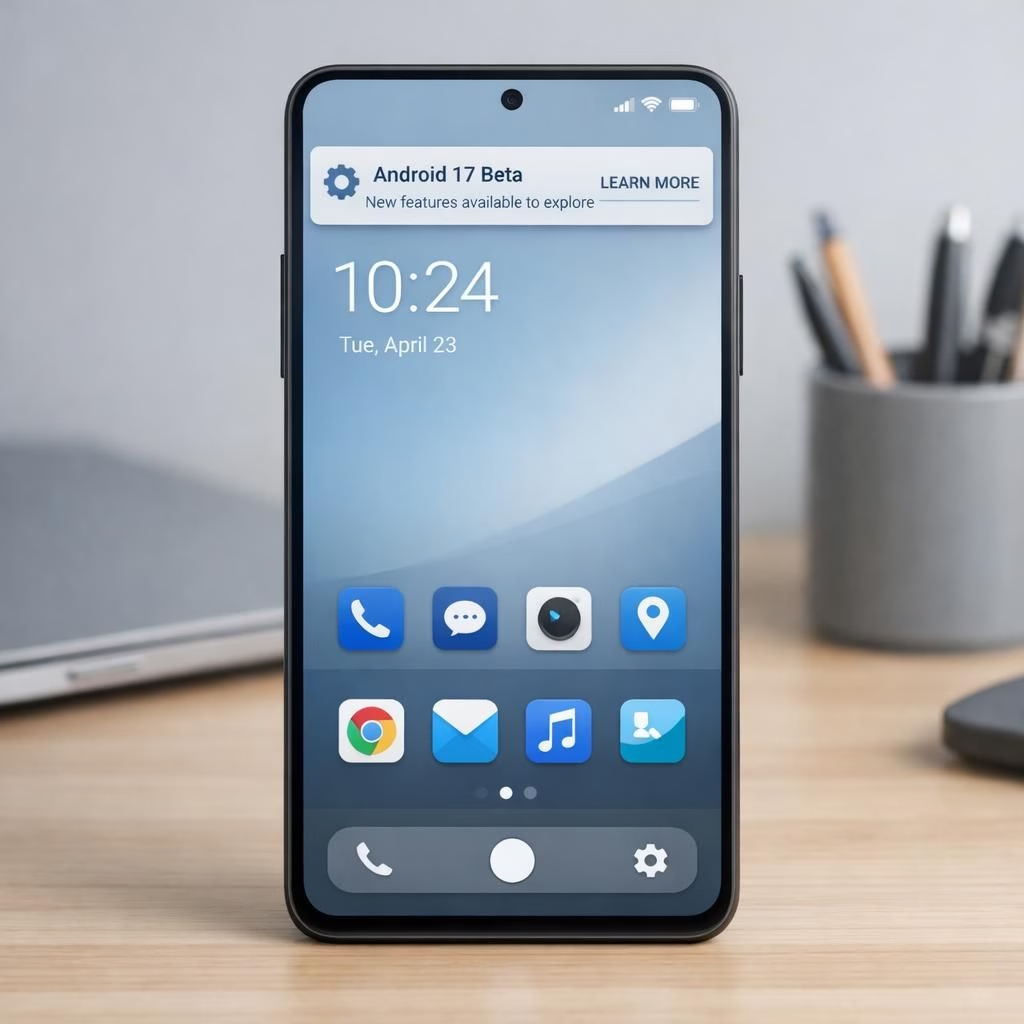
Let’s be honest about Android 17 in its Beta era: it’s a blend of hopeful energy, stubborn bugs, and the occasional crash that doubles as a dramatic pause. When Android 17 first slipped into public Beta, the internet did what it does best—hype, screen grabs, and feverish theorycraft about launch timelines. The new Beta builds aren’t a flawless polish job; they’re more like a dress rehearsal for a distracted stage manager who forgot to file the prop list. In practical terms, that means you might notice a touch more UI blur around system chrome and quick toggles, as if someone pressed the lens filter button and forgot to turn it off. The core truth is simple: Android 17 and its Beta era are about learning by looking at what breaks, then fixing it with a touch of humor and a lot of diligence.
Android 17 Beta: Blur, UI refinements, and the quirks of early previews
UI blur is the featured effect in this cycle. It isn’t just decorative; it’s meant to give depth to notifications and menus without flattening everything into a single color blob. The effect has a playful vibe, but it’s not perfectly tuned yet. In some builds, you’ll notice blur that seems to linger a beat longer than it should, making text a touch harder to read in busy scenes. The design intent is clear: make the interface feel contemporary and soft around the edges, while preserving legibility. It’s a balancing act, and the Beta phase is where balance gets tested in the loud, real world of inconsistent third‑party apps, live wallpapers, and dynamic widgets. If you’re chasing speed, patience pays more than you think; if you’re chasing perfection, you’ll become an expert at spotting where the blur helps and where it distracts.
All across the ecosystem, Android 17’s look is evolving. Early builds emphasize depth and readability, yet the Beta blur can interfere with text in bright lighting or on certain wallpapers. Expect faster iterations and more attention to detail as engineers collect feedback. The Beta cycle makes the team listen closely to real‑world scenarios—from mixed app libraries to unusual launcher setups—and adjust accordingly. For people who want speed, this is a reminder that accuracy comes with time; for those chasing a flawless experience, practice spotting when the blur helps and when it steals focus.
While you’ll notice the UI blur, the goal is to deliver a more tactile feel to Android 17’s interface without sacrificing legibility. The team is balancing depth with crisp typography, a task that benefits from clear feedback from Beta testers. In this light, Android 17 and its Beta period serve as a live test bed for a new visual language that aims to be both modern and accessible.
Beta reality check: bugs, patches, and practical caution
Time to face the reality: Beta releases are a showcase for what still needs work. Reported bugs vary from minor texture quirks to more stubborn stability issues that shove the device into a reset cycle. Google has opened Beta to third‑party phones, expanding the pool of testers and, yes, the variety of bugs. The upside is a faster feedback loop; the downside is more devices showing up with idiosyncratic problems that only appear on a handful of models. For everyday users, the message is pragmatic: don’t install Beta on a critical work device or a phone you rely on for essential tasks. For enthusiasts, this is a treasure map. You’ll find glitches, then you’ll share them, and the ecosystem will bootstrap toward a more stable release. Either way, the spirit is learning by iteration, not hiding behind a pristine mockup.
In the mix, notable manufacturers like OnePlus and OPPO jumped into the Android 17 Beta fray. Their early participation means more device-specific quirks—some models digest features differently, some stress the camera stack, others push battery life into surprising places. This is common in any major OS preview, and it’s exactly why testers are asked to back up important data and to treat each new build as a work-in-progress rather than a final product. The collaboration across brands accelerates the discovery of edge cases and helps the broader audience experience fewer surprises on launch day. If you own a device from those brands, approach Beta builds with a curious but cautious mindset; think of it as a demo mode for your phone’s future self rather than a daily driver.
The Beta 2 update for OnePlus devices like the OnePlus 15, reported by multiple outlets, shows a familiar rhythm: new features debut, stability is tuned, and there are inevitably patch notes that remind you this is software development in motion. It’s not a sprint to perfection; it’s a marathon of refinements that require patience, a sense of humor, and a willingness to reset a few times to see if the problem was really solved or just hidden behind a clever workaround. The takeaway for readers and testers is straightforward: stay informed about patch notes, keep a clean backup plan, and measure your own tolerance for brief inconveniences in exchange for early access to promising improvements.
From a user experience perspective, the Android 17 Beta cycle underscores a familiar arc: dream of a smoother, more polished interface; accept that Beta means it’s not quite there yet; celebrate the speed of iteration and the willingness of teams to listen to feedback. The blur isn’t a design dead end; it’s a signal that the platform is experimenting with depth and focus. If you step back and observe, you’ll see a timeline of small victories—better transitions, more legible text in certain lighting conditions, and a more cohesive feel across utilities—emerging as engineers tighten the algorithms behind the scenes.
To make the most of this phase, back up important data, review patch notes, and set realistic expectations for what Beta iterations can deliver before final release. This approach reduces risk while you explore new visuals and quick‑access improvements that could become standard in future Android 17 updates.
In short, Beta testing on third‑party phones is a community exercise: you help identify edge cases, and developers use that feedback to strengthen the platform before a broader rollout.
Practical steps for trying Android 17 Beta on third‑party devices
Thinking about joining the Beta program on a non‑Pixel device? Here are practical steps to reduce risk and preserve data.
- Back up everything: save photos, contacts, and app data before flashing any Beta build.
- Read patch notes: review the changelog to know what’s expected and what isn’t.
- Test in a controlled way: install on a secondary device or create a separate user profile to minimize interruptions.
- Document steps to reproduce: when you encounter a bug, note the exact actions that trigger it and share them with beta channels.
If you decide to proceed, start with a stable backup plan and keep a plan B ready in case a reset is needed to verify a fix.
Remember, third‑party participation accelerates feedback loops and helps the community reach a stable Android 17 faster.
FAQ
- What is Android 17 Beta? It’s an early test build that lets developers and enthusiasts try new visuals and features before the final release.
- Is Beta stable enough for daily use? No. It’s intended for testing, not essential daily tasks. Always back up and consider using a secondary device.
- Can third‑party phones run Android 17 Beta? Yes, but expect device‑specific quirks and need to troubleshoot with developers.
- Will blur and UI changes improve? Yes, they will be refined over several updates based on real‑world feedback.
Conclusion
Bottom line: Android 17 in Beta is not a finished product, but a guided journey toward a stronger, more resilient platform. Approach with curiosity, contribute constructive feedback, and stay prepared for patch cycles that shape the final form of the OS.
References
- 9to5Google: Android 17 background blur and Beta coverage
- Android Beta program – developer.android.com
- Pixel Beta program help
Original source: https://9to5google.com/2026/03/26/android-17-background-blur/