

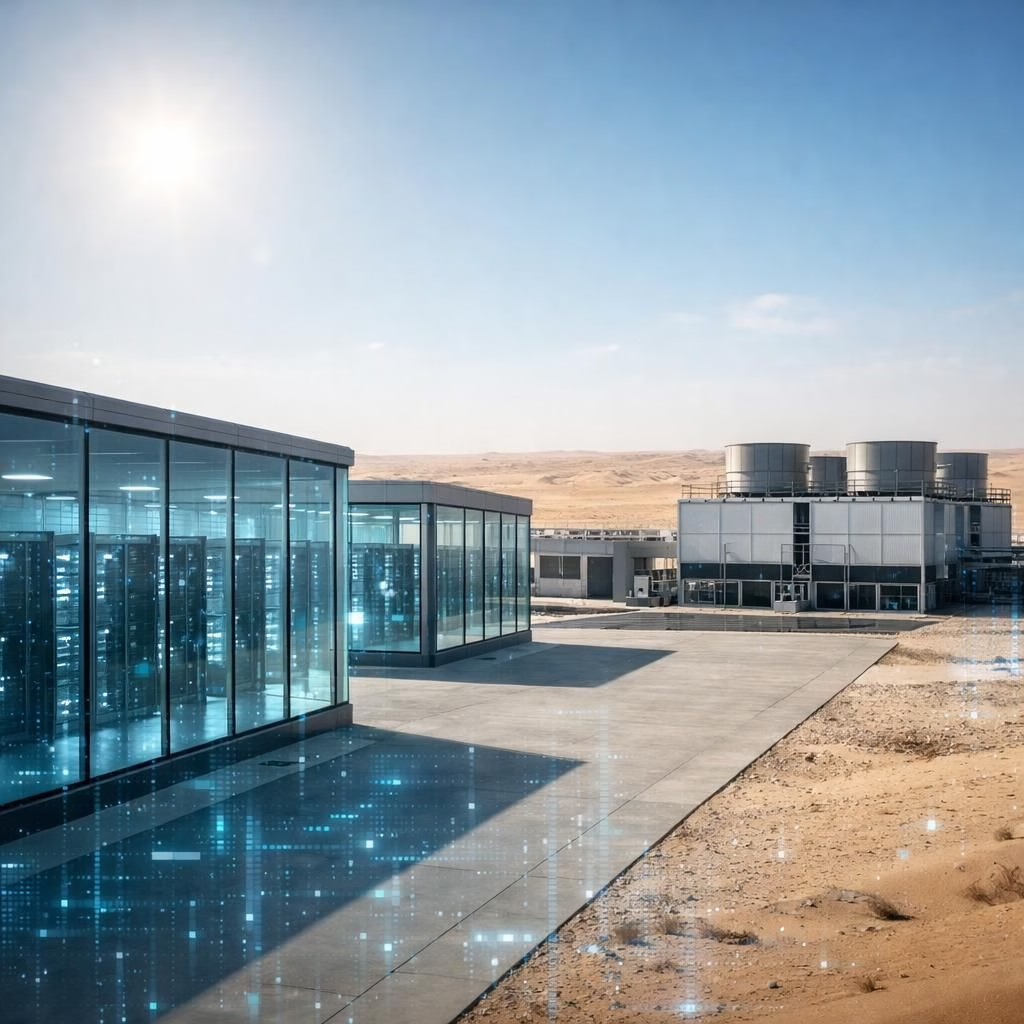
AI Security concerns are rising as Gulf AI ambitions center on Stargate UAE, a project backed by SoftBank, Oracle, Nvidia, Cisco, OpenAI, and UAE’s G42.
The plan begins with 200MW in 2026 and is planned to scale to 1GW, positioning the Gulf as a major regional hub for AI workloads and cloud services.
AI Security and Stargate UAE in Focus: Gulf Tech and Threats
IRGC warnings signal asymmetric pressure rather than a conventional attack. The video purports to reveal a desert site using satellite imagery, adding theater to a tense geopolitical moment. Analysts caution that threats can disrupt supply chains and erode confidence even if no action follows.
Beyond the project, the financial and strategic stakes extend across the Gulf economy; the 1GW target would position Stargate UAE as a central hub for AI workloads and cloud services, inviting higher security spending and more complex risk management.
Energy reliability and grid resilience are now part of the Gulf tech discussion. The plan intertwines funding, timelines, and security services that keep critical infrastructure online.
Analysts also discuss insurance costs, contractor risk, and resilience investments. Operators emphasize redundancy, rapid restoration, and clear incident response plans. The practical outcome is a move toward solid risk controls over flashy announcements that underscore AI Security considerations.
Stargate UAE and AI Security: The Data Vault Debate
Behind the project lie partnerships with major tech multinationals and local champions. This mix raises questions about security, governance, and economic strategy. Stakeholders push for robust physical and cyber protections, resilient energy sourcing, and diversified supply chains. The debate also touches on sovereignty and the role of private firms in critical infrastructure.
Practical tips for readers include implementing layered security, ensuring incident-response drills, validating vendor risk, and preparing for potential outages. The landscape calls for transparency, regulatory cooperation, and continuous risk assessment. The goal is to keep data centers operating even when geopolitics get prickly.
In short, the Gulf’s AI ambitions are real, and resilience will govern success. The region’s leadership acknowledges this and leans on partnerships to safeguard data and keep innovation flowing.
Original article attribution: Original article source. Thank you for the material.
Please share your thoughts in the comments.
Practical steps for stakeholders
- Layered security approach: combine physical, cyber, and personnel security to defend Stargate UAE facilities.
- Incident-response drills: practice playbooks monthly and after major geopolitical developments.
- Vendor risk management: assess suppliers for redundancy and cyber hygiene.
- Outage preparedness: ensure power and cooling redundancy and rapid restoration plans.
FAQ
- What is Stargate UAE? A major data-center project backed by Western tech firms and Gulf partners, aimed at expanding AI workloads in the region.
- Why the threats? Analysts see risk signals from geopolitical tensions and the central role of data centers in modern digital economies.
- How can operators reduce risk? Focus on layered security, energy resilience, and clear incident-response protocols.
- Will this affect consumers? Possible temporary service interruptions or increased insurance costs, but steady operations are the goal.