

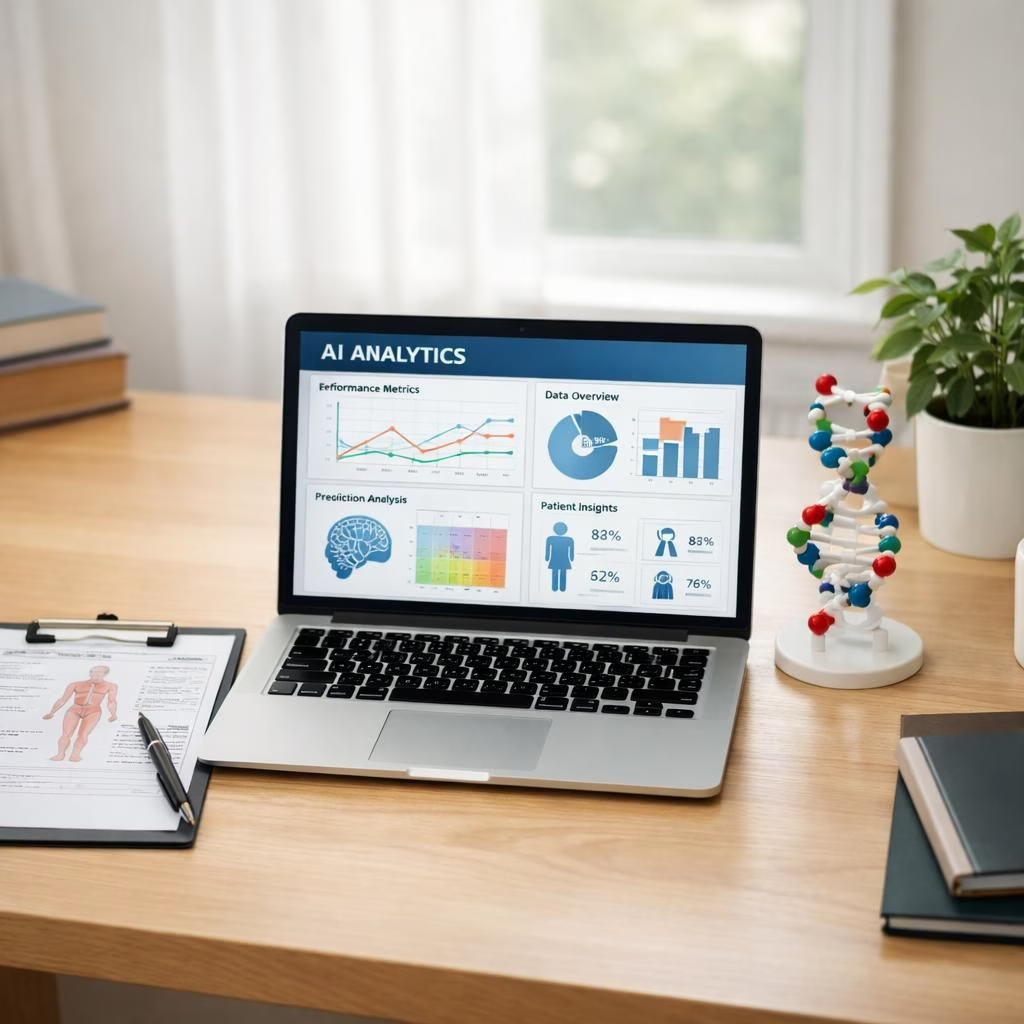
AI in Healthcare has long promised a future where clever machines help humans heal faster. The hype was loud, but the reality was quieter: careful pilots, gradual adoption, and fewer dramatic headlines. In 2026, the tone shifts from myth to method as teams deploy real-time dashboards, smarter triage, and energy-aware computing that saves more power than it uses. The tech is not magic; it runs on data, disciplined testing, and a stubborn refusal to quit. The future feels optimistic, with AI guiding Healthcare toward efficiency and empathy alike.
AI in Healthcare: Pragmatic Advances in 2026
At its core, the idea is simple: AI can optimize systems that humans were too busy to optimize. In data centers and hospital racks, intelligent schedulers balance workloads so energy use drops without slowing patient care. In practice, that means servers spinning down when demand is quiet, network paths chosen for speed and efficiency, and AI predicting the best times to run maintenance so it doesn’t disrupt care. For Healthcare this isn’t just about cost savings; it’s about reliability during crises and reducing carbon footprints as a side benefit. The AI uplift is most visible when dashboards translate chaos into calm. AI helps, Healthcare benefits, and the cycle repeats with a touch of calm humor from the team at the keyboard.
AI in Healthcare: Turning Theory into Therapy
Healthcare legends and headlines have long flirted with the notion that AI could solve big problems like cancer cures. The truth is messier and more delightful: progress arrives in small, practical steps. Google/DeepMind-style AI stories weave into real research programs where clinicians test models that spot early signs of disease, rank treatment options, and speed up clinical trials. When the AI shines, it does so in Healthcare settings that count: more accurate imaging, faster triage, smarter dosing schedules, and fewer wasted resources. The trick is to keep the patient front and center, even as we celebrate algorithmic breakthroughs. In short, AI isn’t replacing doctors; it’s turning data into decisions that help doctors help patients. And yes, Cancer Cures discussions shift from footnotes to core chapters in research briefs, with AI as a familiar supporting actor rather than a mysterious supervillain. AI as a tool means more precise work within Healthcare, and the result is better outcomes for real people, not just headlines.
Within this evolving landscape, the energy angle is not a sidebar but a backbone. The idea that AI could save more energy than it uses is not a parlor trick; it’s a systemic shift. In facilities that run 24/7, AI monitors heat, power draw, cooling loads, and equipment health to trim waste without compromising care. The same logic applies in the broader ecosystem: AI-guided optimizations across hospitals, research centers, and even patient homes can reduce energy bills while boosting reliability. For Healthcare teams, this translates into machines that work smarter, not harder, and clinicians who spend less time chasing flaky systems and more time with patients. This fusion of AI and energy efficiency aligns with sustainable goals in both Healthcare and public policy, proving that good tech can be good for people and the planet at once.
Hype is inevitable. Yet the responsible path is to celebrate measurable gains while staying clear-eyed about limits. Healthcare in this conversation should be judged by safety, privacy, and equity as much as by efficiency numbers. When AI helps clinicians interpret scans with higher accuracy, the benefit is immediate: faster decisions and clearer communication with patients. When Healthcare reallocates energy use in a hospital, the benefit is steadier power, cooler servers, and fewer disruptions. In both cases, the technology is a partner, not a magician. It’s a collaboration where the human team sets the goals, writes the guardrails, and interprets the results with the care that Healthcare demands. And yes, the satire is there for relief, but the underlying progress is real and useful.
The bigger picture is compelling: in 2026 the AI story in Healthcare is less about novelty and more about normalization. The best outcomes we can expect come from steady, well-designed deployments that respect patient privacy and the human role in care. When DeepMind-like systems propose a plan that reduces energy use while improving diagnostic confidence, the win is double: lower operational costs and better care delivery. The public conversation should focus on how these tools empower clinicians, how they protect patients, and how they scale to different Healthcare environments. In practical terms, that means interoperable data, transparent models, and ongoing training so AI remains a helpful teammate rather than a mysterious oracle.
AI in Healthcare: Balancing Promise and Practice
In the end, AI’s value in Healthcare comes from balance. It’s not about replacing doctors, it’s about amplifying their capabilities with rigorous science and humane design. It’s not about a single breakthrough, but a continuous loop of learning, testing, and refining that respects patients’ dignity. The energy story, the cancer research, and the turning-point headlines are all threads in a broader tapestry: Healthcare-enabled AI that respects people, prioritizes safety, and strives for measurable improvements month after month. We should cheer the progress and stay vigilant about how these tools are used, shared, and governed. The result is a healthier world, powered by smarter systems and guided by compassionate care.
Want to weigh in? Share your thoughts in the comments below. Let’s explore how Healthcare can best support AI and energy efficiency in daily practice, policy, and innovation.
Original article inspiration and thanks to The Verge for the coverage of the idea that AI could influence disease research and care trends. For more context and to view the original discussion, visit The Verge’s site. The Verge.
Selected readings
- ‘Solve all diseases,’ you say? The Verge
- Google DeepMind’s corporate profile New Reading
- Google’s Demis Hassabis goes on the offensive Reuters
- Google DeepMind’s CEO says a major AI turning point is closer than ever Business Insider
- Google DeepMind’s CEO says a major AI turning point is closer than ever Business Insider