

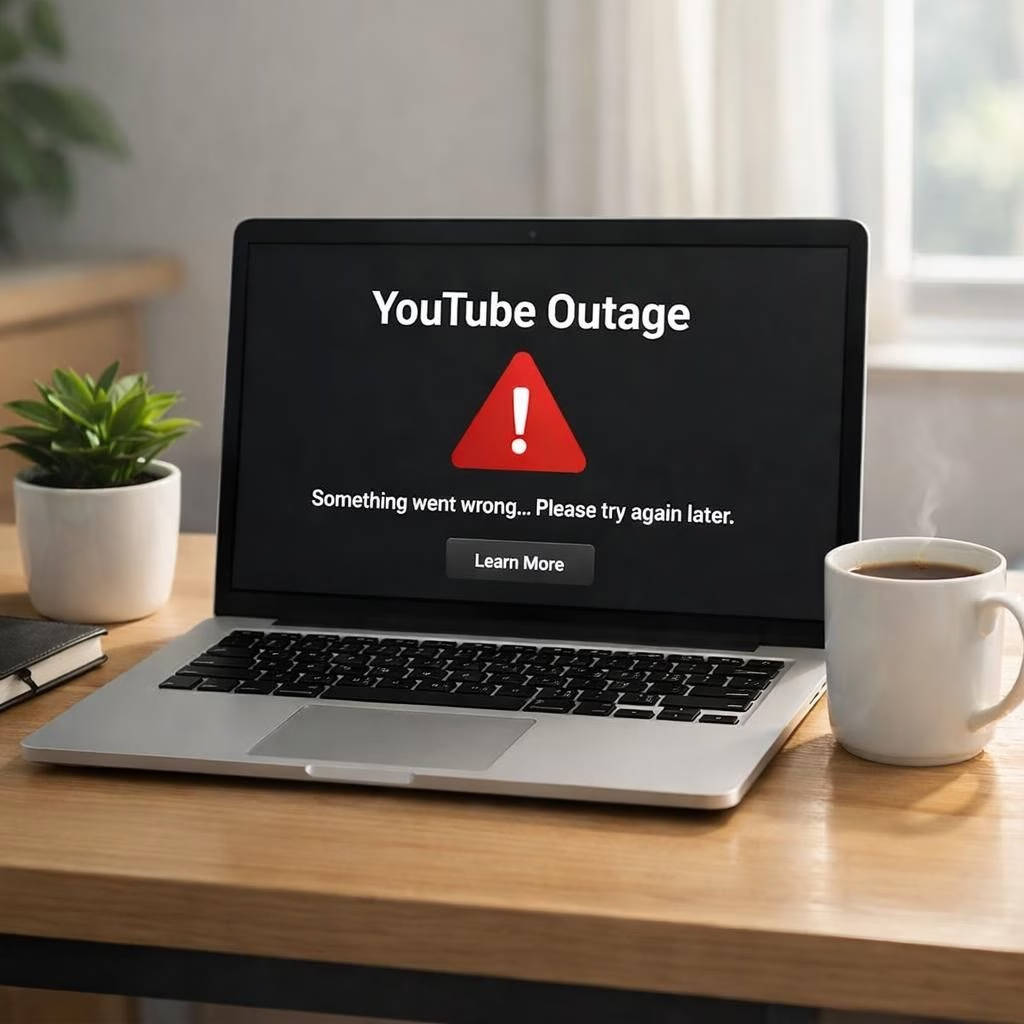
When YouTube faces a brief Outage, headlines rarely capture the full picture. The incident wasn’t an internet-wide collapse, just a hiccup in the recommendation system that briefly prevented videos from surfacing across YouTube surfaces. As a busy week unfolded, users worldwide felt the pinch—watch pages paused, suggested videos disappeared for a time, and memes about algorithm quirks spread on social feeds. Yet the mood stayed constructive: a quick fix plus clear communication turned a potential rant into a rational, even grateful, moment for users and engineers alike. The takeaway is simple: when a platform’s brain hiccups, transparency and rapid repair help restore trust quickly.
YouTube Outage: What happened and what it revealed
Early reports from Downdetector painted a broad, world-spanning glitch. The platform confirmed that an issue with its recommendations system briefly kept videos from appearing across YouTube surfaces. The Outage wasn’t about a single feature failing; it was a systemic hiccup that touched how the platform decided what to show next. At the peak, Downdetector recorded more than 320,000 user reports in the United States. Those numbers are based on user-submitted reports, and the raw totals can vary as people refresh and the service stabilizes. The Outage did not respect borders, and India, Britain, Australia, and Mexico were among the countries affected, per Downdetector’s data streams—and then the data began to calm as the engineers worked their debugging magic. In short, the Outage reminded everyone that a recommender engine is a living thing: it learns from signals, and when signals go awry, so does the surface-level experience—until someone squints, tweaks, and pushes a reset button.
What’s noteworthy about this YouTube Outage isn’t just the fix; it’s the transparency around the fix. The platform stated that the issue with the recommendations system had been resolved and that all platforms—YouTube.com, the YouTube app, YouTube Music, Kids, and TV—were back to normal. That’s good news, but more importantly, it’s evidence of a company that communicates what happened and how it’s being addressed, rather than leaving users guessing. The situation also serves as a reminder for creators and viewers: when a platform stumbles, the fastest path back to normalcy is a clear, actionable plan and a reliable rollback if needed. The YouTube Outage ended not with a shrug, but with a tangible update that the systems were back online and functioning as intended.
Lessons from the YouTube Outage: Recommender resilience and better defaults
The core lesson from the YouTube Outage is not a rebuke of algorithms, but a celebration of robust engineering practices that prevent a small error from spiraling into a long-term disruption. A strong recommender system needs multiple layers of resilience: monitoring that catches anomalies quickly, dashboards that translate noise into meaningful signals, and a rollback path that can revert to a known-good state without drama. The YouTube Outage demonstrates that when a problem is identified, teams can regroup, implement a targeted fix, and restore confidence with timely updates. This is not about blaming one team—it’s about recognizing that large platforms are complex ecosystems, where surface-level calm often hinges on deep, behind-the-scenes work. The YouTube Outage, therefore, becomes a case study in operational excellence: quick detection, precise remediation, and open communication—all while keeping the user experience front and center.
- Keep an eye on official status updates for the Outage corrections.
- Diversify discovery methods—subscriptions, external links, and curated playlists—to stay productive during an Outage.
- Creators can share alternative paths to reach audiences during an Outage.
For creators and viewers alike, the YouTube Outage highlights practical takeaways. If you depend on the platform for content discovery, don’t panic when recommendations momentarily misbehave. Check the status pages, follow official posts, and consider diversifying how you discover content—subscriptions, external links, and curated playlists can help smooth over a temporary misalignment. The broader lesson is sociotechnical: people rely on algorithms, but people also benefit from human-guided safeguards and transparent status reporting. The YouTube Outage reinforces the idea that a healthy tech ecosystem values both machine intelligence and human oversight, providing a steadier ride when the digital rails wobble.
In short, the YouTube Outage offers reassurance: the system can and will recover, the team communicates clearly, and the platforms return to service with minimal friction. The path from outage to normalcy is paved by monitoring, governance, and a willingness to iterate quickly on fixes. And yes, it also helps when users approach the moment with a sense of humor and a pinch of patience, because even during a glitch, the internet remains a vibrant, collaborative space.
If you’ve experienced the YouTube Outage firsthand, you’re not alone. The key is to stay informed, keep cool, and resume your viewing journey with a better understanding of how recommendation systems work and why they occasionally need a little tune-up. The positive takeaway is practical: outages teach resilience, and resilience makes platforms better for everyone in 2026.
Before we wrap, a quick note on gratitude and attribution: the YouTube Outage update came with a formal acknowledgment from the platform and corroboration from Downdetector’s reporting. This collaborative dynamic—between a platform and watchdog-utility data—helps ensure users aren’t left guessing about what happened or when service will return to normal. The YouTube Outage story also demonstrates that even a hiccup can yield a stronger system through learning, testing, and transparent communication.
Conclusion: outages happen, but they’re opportunities to improve. YouTube and its engineers demonstrated that with rapid fixes, clear updates, and a plan to prevent recurrence. For users, a little patience now pays off with a faster, more transparent platform later—especially as YouTube and other services invest in resilience.