

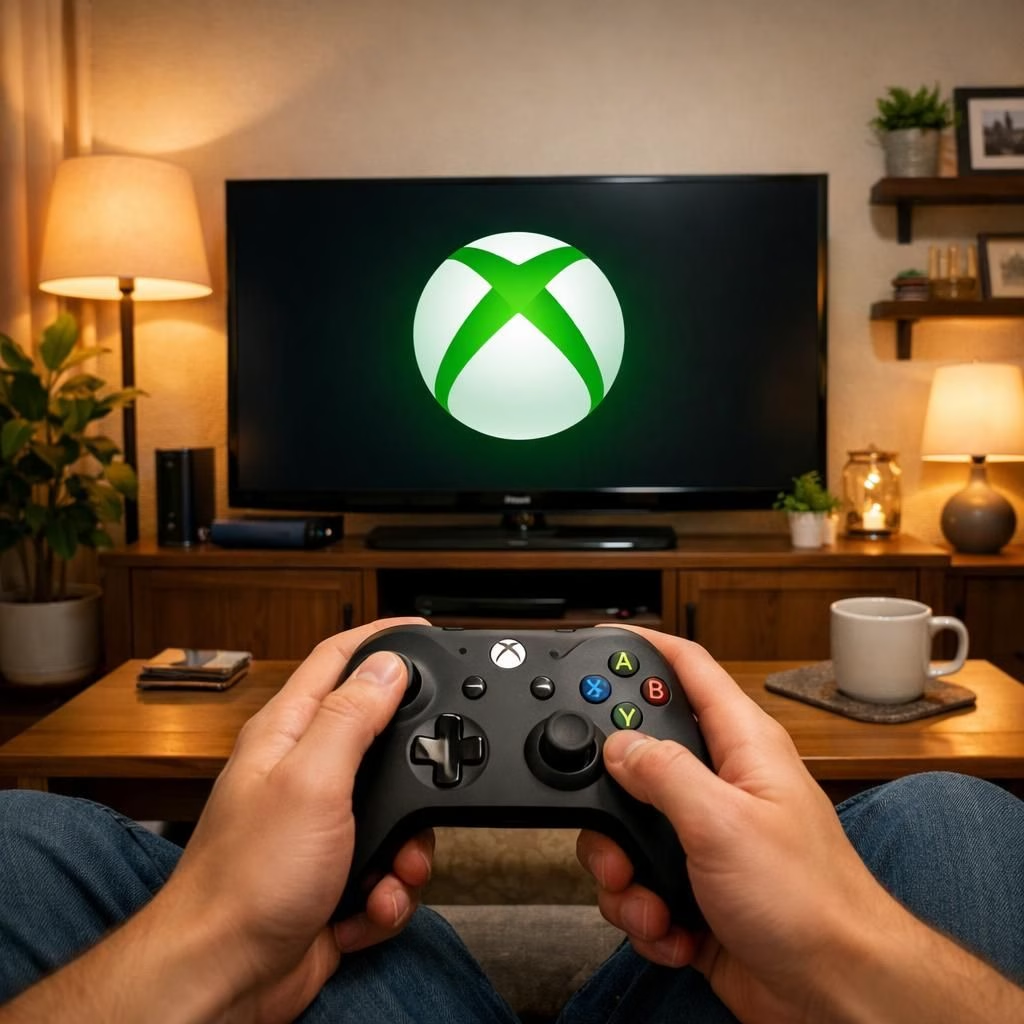
In 2026, Xbox returns with a clearer mission, and Microsoft Gaming fades into history—two signals that branding can still feel human. The move isn’t a panic play. It is a practical pivot that puts the player first, not the logos. If you ever wondered whether a big company can admit a misstep and still win, this is your case study, with a dash of humor and a lot of focus on what gamers actually want: great games, fair access, and fewer acronyms.
Xbox Returns: A Brighter Branding Chapter
We live in an era where a brand refresh can feel like a reset button for a long-running saga. The core truth here is that Xbox is back in a form that fans recognize: a console ecosystem with cross-platform ambition, a library of exclusives, and a service model that tries to stay affordable. The re-emergence of Xbox signals a shift away from siloed Microsoft Gaming pseudonyms toward a more straightforward identity. The renaming isn’t merely cosmetic; it’s a recalibration of strategy. The old umbrella is gone, replaced by a message that centers the consumer journey, not corporate wrangling. The Xbox brand now carries the weight of a long-tail library and ongoing investments in hardware, software, and cloud-native experiences.
Microsoft Gaming Legacy or Xbox Focus?
While some critics argued that Microsoft Gaming was a necessary umbrella to unify studios, the practical effect is that the Xbox ecosystem now speaks with a single voice. This matters for households with multiple devices, for gamers who want to buy a console, PC, or mobile game and feel the same quality and price tag. The corporate pivot isn’t a betrayal; it’s a simplification. The shift reduces confusion for newcomers and reduces decision fatigue for veteran players. Expect more clarity in marketing, more consistent pricing, and a more coherent roadmap for game studios and service-level agreements. The intent remains to deliver value without the marketing spin deflating the experience.
Xbox Exclusives, Services, and Why People Care
Yes, there are real, tangible changes under the hood: the Xbox ecosystem is expanding across devices, including PC and cloud gaming. The new branding helps align the strategy of console, PC, and mobile titles, providing simpler purchases and cross-save progress. The result is less brand confusion and more trust. When developers speak in one voice and the consumer sees one brand promise, it reduces friction and increases willingness to invest. For players, this translates into better access to the best-in-class services like Game Pass, cloud streaming, and a growing library of Xbox exclusives that matter. The revamped identity makes room for more cross-platform collaborations and less emphasis on obsolete corporate labels.
What This Means for Gamers in 2026
The practical effect of this branding move is a smoother onboarding path for new players and a more predictable experience for long-time fans. The Xbox ecosystem becomes less of a political theater and more of a playground with clear rules: fair pricing, reliable online access, and a rhythm of new releases that keeps pace with technology upgrades. Critics might point to the fragility of exclusivity or the risk of missing the indie scene, but the new approach aims to preserve variety while maintaining a core identity: Xbox as the umbrella for a broad, inclusive gaming future. For families, it means browsing, buying, and sharing games across devices without wrestling with multiple brands. For solo players, it means a consistent sense of progression and achievement across console, PC, and cloud play.
In all, the shift from Xbox to Microsoft Gaming to Xbox again reads like a refresh cycle that understands players deserve a clean line between product and brand. The focus stays on delivering value, not buzzwords, and on turning big ideas into small, practical wins for daily gaming life.
Beyond branding, the real story is about how players experience the platform. The renewed clarity helps indie developers, budget-conscious families, and streamers alike. It also sets expectations for yearly updates, hardware refresh cycles, and the ongoing commitment to cross-play and cloud reach. The tone shift is subtle but real: fewer acronyms, more consistent naming, more emphasis on the player journey. The ambition remains large, but the delivery is more human. This is the sort of corporate change that earns trust when it follows through with tangible improvements, not just slogans.
Original reporting and inspiration: Google News original article. Thank you to The Verge for the original reporting and for grounding this discussion in solid facts.
Want to share your thoughts on this rebranding journey? Tell us in the comments and join the conversation about Xbox and Microsoft Gaming in 2026.
Practical steps for players
- Sign in to your existing Xbox account and check cross-save across devices.
- Explore the Game Pass catalog on console, PC, and cloud; try a new title this month.
- Set up family safety and sharing options to take advantage of cross-device play.
- Keep an eye on pricing and promotions across platforms for better value.
FAQ
- Q: Will the branding change affect game pricing?
A: Pricing is influenced by the broader market and services; the goal is clarity and consistency rather than surprise increases. - Q: How does cross-play work across devices?
A: Xbox supports cross-play where developers enable it; you can continue progress across platforms with a single account. - Q: Where can I learn more about the branding changes?
A: Official Xbox and Microsoft News channels offer the latest details and timelines.
Takeaway: The 2026 branding refresh is less about logos and more about the player journey. Expect simpler choices, reliable access, and a clear commitment to a broader Xbox ecosystem across devices. For next steps, consider updating your device preferences, try cross-save, and keep an eye on Game Pass updates or cloud options as they roll out.