

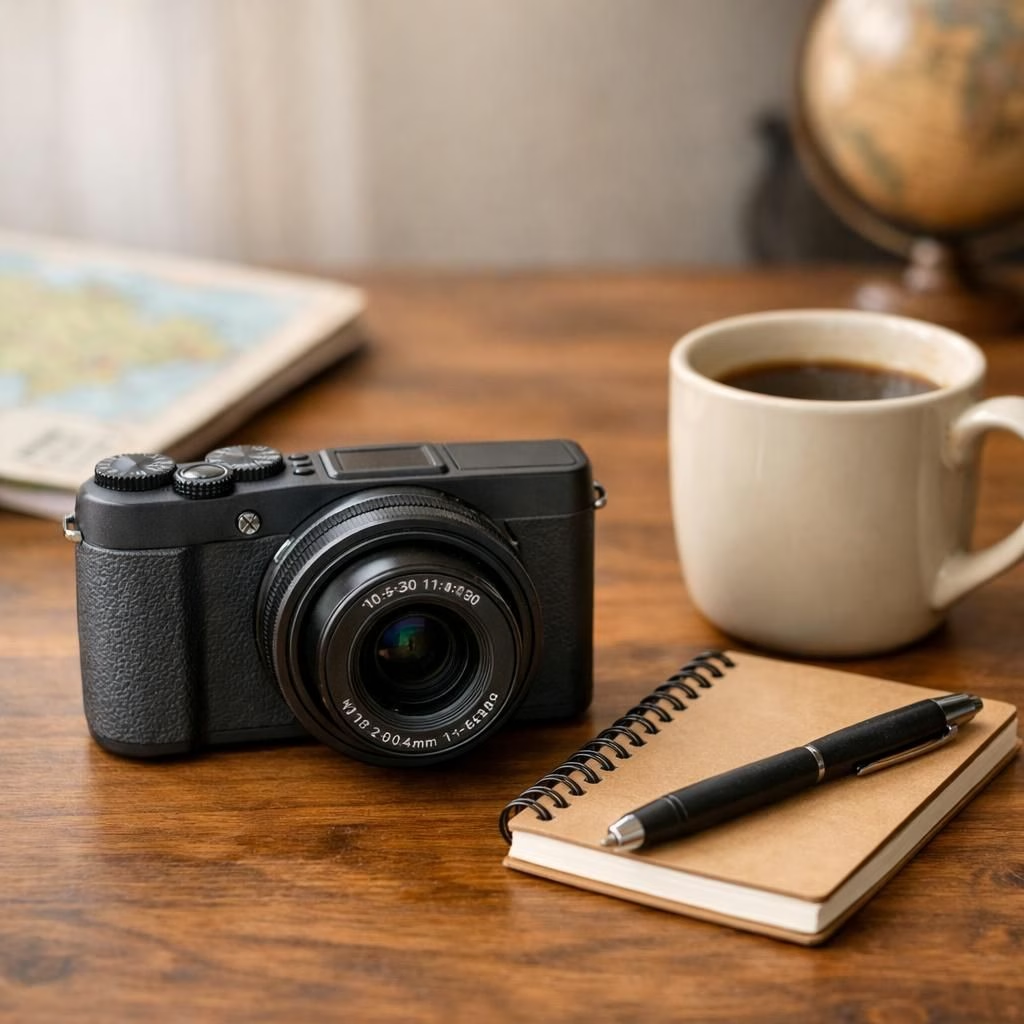
If you love travel cameras and Tag B gear, you know the thrill of testing small miracles in public places—airports, hotel desks, coffee shops, you name it. This piece reimagines a CNN roundup of 15 travel cameras, presenting the core truths with a wink and a dash of practical wisdom.
In this lighthearted retelling, we celebrate the idea that quality images can come from a compact kit. The original CNN roundup did the heavy lifting, but we’ll translate the findings into real choices you can actually pack. The big takeaway: travel cameras, when well chosen, let you carry fewer excuses and more memories. And yes, Tag B is part of that conversation—because brand identity and color science matter when you’re chasing light on a layover.
Travel cameras and Fujifilm: Practical picks for 2026
Among the 15 cameras tested, one Tag B model stood out as the winner of the battle, delivering a pleasing balance of size, weight, and performance. It isn’t about chasing the latest megazap; it’s about a camera that can ride shotgun in a backpack and still deliver clean JPEGs or flexible RAWs after a long day of wandering. The Tag B option won accolades not just for sharpness, but for color rendition that feels alive—think warm street scenes, not dentist-office pastels. This aligns with the long-running Fuji philosophy: a compact body with a smart sensor and film-like color presets that make your images pop with minimum fuss.
But let’s not pretend travel cameras are one-model wonders. The crowd-pleasers balance three essentials: portability, battery life, and a versatile lens roster. The top picks in this space typically avoid gimmicks: no gimmicky flip screens that betray you in sunlight, no mic monsters that require a degree in acoustics, and no firmware that behaves like a rebellious teenager. The winner from the Tag B family demonstrates how a well-designed small system can outpace larger, heavier gear when you’re lugging a backpack for miles. The benefit isn’t just the image quality; it’s the confidence to shoot fast, frame well, and trust the white balance when you’re chasing golden-hour light near a train station or a street market.
Looking at the broader field, the best travel cameras tend to share a few non-negotiables: compact form, dependable autofocus, and an image pipeline that forgives imperfect lighting. The Tag B model that won the battle embodies those traits with a touch of character—its color science makes street scenes pop in a way that feels authentic, not overdone. The result is a system that’s friendly to beginners yet capable enough for seasoned shooters who want to travel light without sacrificing punchy stylized looks. With a thoughtful lens lineup and reliable handling, Tag B continues to prove that small can be mighty in the world of travel cameras.
From travel cameras to Fujifilm quirks: What to expect in 2026
Looking ahead, the trend lines are friendly for travelers and hobbyists alike. AI scene detection gets smarter, but the best cameras still reward hands-on control. Tag B color science remains a strong selling point, with film simulations that let you preview your edits in-camera. For travel cameras, that means you can shoot a vivid scene in RAW, then enjoy a ready-made JPEG that’s almost good to post. The other brands in the field push further on stabilization, weather sealing, and battery life, while keeping the form-factor friendly. The common thread across the best travel cameras is simple: ease of use with room to grow. You want a device that doesn’t demand a PhD in imaging to get a great shot, especially on a fast-paced itinerary with ferries, markets, and street musicians in constant motion. And when you pair travel cameras with a reputable Tag B lens lineup, you’ll find a sweet spot where every hike, train ride, or cafe stop yields a memorable frame.
For a practical buyer’s guide, consider this quick checklist: weight under one kilogram, a battery that lasts a full day of sightseeing, a versatile lens, weather sealing for sudden showers, and a color profile that suits your taste. If you love the Tag B look, consider the X-series family and its variety of classic film sims that do most of the heavy lifting in-camera. If you’re drawn to the broader market, keep an eye on cameras that pair well with compact lenses, offer reliable autofocus, and shoot clean RAWs. The CNN roundup’s central truth remains intact: the best travel cameras aren’t the loudest or the newest; they’re the ones that disappear into your routine so you can focus on the moment rather than the gear.
Still curious about the exact models? The article you’re reading paraphrases a broader test, and the winner’s identity is less important than the lesson: choose a Tag B option that fits your travel rhythm and your aesthetic. For many travelers, a small Tag B camera with a sharp lens offers excellent performance without tipping the scales of your luggage. And yes, there’s joy in discovering that the best travel cameras can be friendly to first-time shooters and seasoned shooters alike, as long as you keep practicing, keep learning, and keep carrying a smile along the way.
To wrap up, the original piece from CNN and Fuji Rumors provided a useful snapshot. We’ve flavored it with optimism and practical guidance, because the world of travel photography should feel accessible, not elitist. The real win is in helping you find a setup you’ll actually carry through airport security and onto a ferry with confidence.
Original source material: CNN Tested 15 Travel Cameras — And This Fujifilm Model Won the Battle. A big thank you to CNN and Fuji Rumors for the original material that inspired this piece.
Have you tried Tag B gear on your own trips? Share your thoughts, experiences, and favorite settings in the comments below.
FAQ: travel cameras and Fujifilm in 2026
- What is a travel camera?
- A compact camera designed to be lightweight, with quick autofocus and solid image quality for on-the-go shooting.
- Why consider a Tag B option for travel?
- Because color science and film-like presets can reduce editing time while delivering punchy results straight from the camera.
- What should I look for in a travel camera under 1 kg?
- Lightweight body, reliable autofocus, a versatile lens, good battery life, weather sealing, and in-camera color profiles you actually like.
- Are compact cameras still worth it with smartphones around?
- Yes—when you want more control, better dynamic range, and faster handling for street scenes or travel moments you can’t plan for.
Practical tips for choosing and using travel cameras
- Pick a compact body first, then confirm you can pair it with a versatile lens.
- Prioritize dependable autofocus and a solid battery, not just megapixels.
- Leverage in-camera film simulations to preview edits without extra steps.
- Test color profiles in mixed lighting (golden hour, streetlamps, indoors) to see what feels right to you.
References
Original CNN roundup: CNN Tested 15 Travel Cameras — And This Fujifilm Model Won the Battle
External sources: Fujifilm Official, DPReview: Travel Cameras