

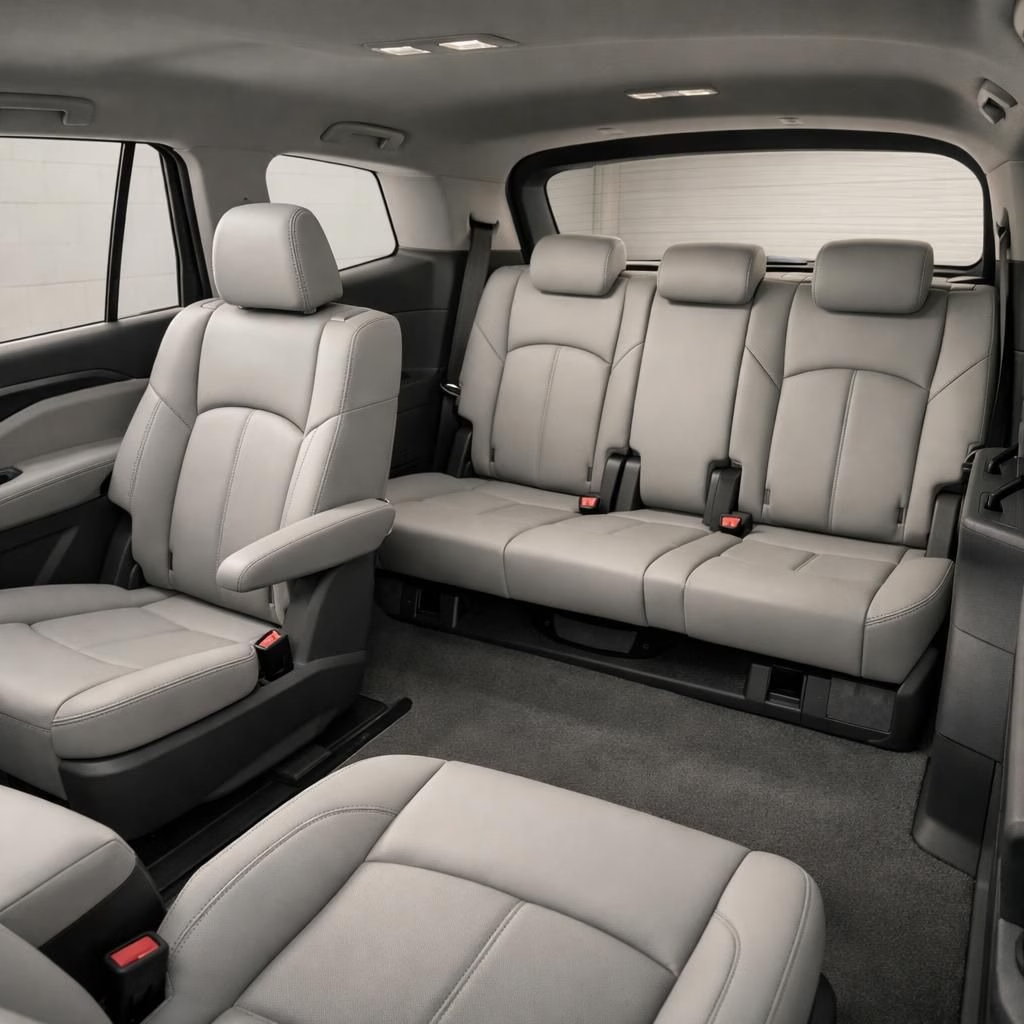
Tesla and family-friendly design are buzzing on social media as Elon Musk hints at a possible three-row EV in 2026. Fans picture a larger SUV that fits kids, dogs, and road-trip crew, all while keeping the clean lines and clever software we expect from a brand that loves to reward enthusiasts with smart features.
On X, he waded into the chatter about a three-row design and responded to comments endorsing a practical approach. He quoted Alexis Ohanian’s line about businessdads needing three rows and simply replied with “Noted” when asked about easier seat access. The quick replies ignited talk that there might be real product thinking behind the jokes, even if an official model name or launch window remains elusive. Leaked visuals have circulated online, suggesting a bigger rear cabin and larger windows, though official confirmation has not arrived yet from the automaker.
Tesla Roadmap: A family-friendly Three-Row Vision
The chatter hints that the company could be sketching a larger, more adaptable interior that keeps the brand’s software-driven edge while delivering practical seating. A three-row layout would target family-friendly needs for flexibility, while preserving that distinctive design language. If true, the vehicle would sit at the intersection of utility and style, a sweet spot that has kept the brand in the headlines long enough for memes and road-tests alike. For Tesla enthusiasts, this idea reflects a practical shift toward versatile, tech-forward family mobility.
From Minivans to Optimus: a family-friendly Pivot
Earlier this year the maker shifted manufacturing focus away from the traditional passenger cars toward the humanoid robot Optimus, signaling a pivot from car leadership to automation leadership. The company described this shift as a long game rather than a one-off product tweak, arguing that the software and robotics ecosystem could become the new driving force for everyday life. The joke-friendly but serious message here is that family-friendly practicality might travel beside automation, not behind it. The plan could blend a roomy interior with a robust software subsystem that learns from family routines, safety checks, and routine trips.
Industry watchers note that the Optimus project will keep evolving, with insiders mentioning a potential Optimus V3 as a milestone. In July 2025, Lars Moravy spoke about rethinking what the company did and why, hinting that the end goal is not merely a better car but a more engaging driver’s experience. The focus is on systems integration, manufacturing agility, and a design language that can scale from compact urban use to road-tripping with the kids and the dog in tow.
Yes, there is humor in the speculation, but there is also a thread of serious inquiry about how a family-friendly design could coexist with a high-tech automation agenda. The industry has learned to balance bold promises with pragmatic steps, and the current chatter reflects that dynamic. If the plan exists, it would likely rely on modular interiors, rapid seat access, and software-driven safety and comfort features that feel almost like magic until you realize they’re just good engineering.
Some analysts still call it a Tesla moment, a sign the company is exploring how a three-row design fits into a larger product strategy.
For readers who love a good mix of tech and family-friendly life, there’s plenty to discuss. How would a three-row layout affect cargo space, second-row accessibility, or the illusion of extra headroom? Could a family-friendly interior be paired with the brand’s famous over-the-air updates to create a car that improves each month? The possibilities feel closer to a sci-fi film than a grocery-store run, yet the underlying truth is simple: if a company wants to win the family market, it must think about people first, then machines.
Special thanks to the original article on the source site for material and inspiration. You can read the original piece here: Original article. We appreciate the thoughtful analysis and the starting spark it provided for this rewrite.
We’d love to hear your thoughts—share them in the comments below!
Practical implications for a family-friendly interior
- Modular seating that slides and folds for flexible family-friendly layouts
- Wide rear doors and low sills to ease entry for kids and pets
- Smart cabin controls and OTA updates that tailor safety and comfort to family routines
- Thoughtful cargo solutions that preserve passenger space during road trips
FAQ
- Will Tesla release a three-row family-friendly vehicle? There’s no official confirmation yet. Musk has teased possibilities, but Tesla has not announced a specific model or timeline.
- How could seating and cargo be affected? A three-row layout could improve second-row accessibility and cargo flexibility, with modular interiors and fast seat access as key features.
- How does this align with Tesla’s Optimus strategy? Tesla’s pivot toward robotics could align with a family-friendly interior, using software and automation to support everyday life.
Conclusion
The idea of a family-friendly, three-row Tesla remains speculative, but it underscores a broader strategy: building adaptable, software-driven vehicles that appeal to families as well as enthusiasts. If a model exists, it would likely blend practicality with the brand’s signature tech edge and continuous improvement through updates.