

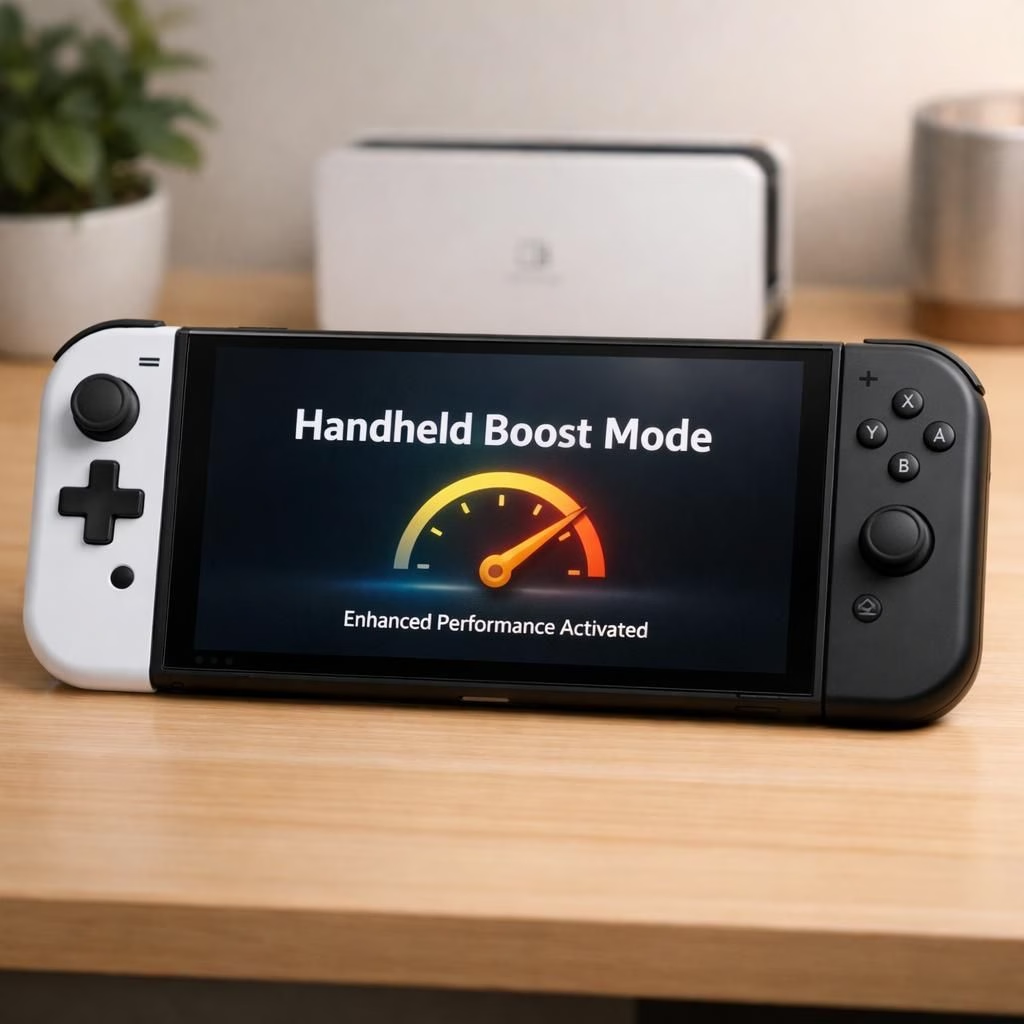
Switch 2 is not just a new box; it brings a portable-minded upgrade with a clever trick called handheld boost mode. The 22.0.0 patch lands to support that feature and tidy up system reliability, delivering a more confident experience during mobile play.
Think of handheld boost mode as a toggle that nudges the system to favor portable performance when you unplug from the dock. The patch notes spell out better frame pacing, smoother menus, and fewer stutters in both indie titles and old favorites. In practice, you notice quicker respawns at the menu and more consistent frame timing in games that once felt a little twitchy on the go. It’s not a miracle fix for every title, but it’s a meaningful nudge toward a more predictable handheld day-to-day experience.
Switch 2 and the 22.0.0 patch: what changes
The patch focuses on stability first. You’ll see improved memory management during handheld use, which translates to steadier performance in longer play sessions. The update also tweaks clock behavior so that when you’re in handheld mode, the system can allocate resources more evenly between CPU and GPU tasks, avoiding abrupt throttling that used to surprise players during busy moments. It’s a small set of adjustments, but it adds up to a noticeably smoother handheld cadence, especially in platformers and action games that demand quick, responsive control.
Nintendo does not pretend every game will suddenly hit a new all-time high in visuals; rather, they aim to reduce the rough edges. The 22.0.0 patch also tightens background processes and reduces background noise in the UI, which means less CPU churn when you’re scrolling through a lengthy library of titles. Overall, the software feels calmer, more confident, and easier to pick up mid-session for a quick match or a quick run through a puzzle room. For context, Nintendo’s official support pages outline how system updates prioritize stability for handheld play Nintendo’s official site.
Switch 2: practical gains in 22.0.0
When developers talk about handheld boost mode in practical terms, we hear about smoother frame pacing and fewer dips during screen transitions. The real-world impact is this: you’re less likely to see sudden frame drops in demanding handheld scenarios, and you’ll experience more reliable input responsiveness in the heat of fast-paced action. Battery life remains a balancing act, but the update takes care to keep power usage sensible, avoiding unnecessary clock spikes that drain the battery during longer sessions.
Another notable improvement is quicker access to in-game menus and quicker load transitions when you switch between tasks in handheld mode. While the patch doesn’t magically turn every title into a portable powerhouse, it does reduce the friction that used to interrupt your immersion. The result is a more forgiving, friendly handheld experience that complements the Switch 2’s larger ambitions.
For gamers who juggle cloud saves, multiple profiles, and a growing library, the update also brings a batch of reliability tweaks. These tweaks help prevent save-corruption risk and improve the consistency of settings across sessions. That may sound mundane, but for frequent travelers and bus commuters, it translates into fewer nagging hiccups and more uninterrupted playtime. In short: Switch 2’s handheld boost mode is not about loud fireworks; it’s about dependable, quiet competence when you’re away from a power outlet.
- Better frame pacing in handheld mode for many popular indie and platforming titles.
- Quicker, more responsive menus and faster return to gameplay after pauses.
- Smarter resource allocation during handheld play without sacrificing docked performance.
- Stable background processes and reduced UI churn for a calmer user experience.
It’s worth noting which games see the most benefit. Front-running platformers, action roguelikes, and puzzle titles with frequent scene changes tend to feel notably smoother. Niche or poorly optimized games may still show variability, but the consensus is that the update raises the floor for handheld experience rather than exploding the ceiling for every title.
For enthusiasts who care about the bigger picture, the update aligns with Nintendo’s ongoing philosophy: keep the handheld experience robust while making the docked experience feel more cohesive. The two modes feel more like siblings who coordinate better than before, rather than two rival modes with clashing expectations. If you care about consistency across play styles, the 22.0.0 patch offers meaningful value without asking you to redo your entire library organization.
In terms of future-proofing, the patch lays groundwork for further refinements in handheld performance. It demonstrates Nintendo’s willingness to tune the balance between power, efficiency, and user experience in response to player feedback. It’s a thoughtful, incremental improvement that acknowledges real-world play sessions rather than chasing arbitrary benchmark scores.
If you’re curious about whether Switch 2’s handheld boost mode lives up to the hype, the best approach is to test your usual mix of titles in handheld mode and docked mode. See how your favorites feel with and without the patch. The goal isn’t perfection in every game; it’s a higher baseline of reliability and smoother everyday play for people who actually hold the console in their hands for long sessions.
As always, your experience may vary by game and by your charging habits. The joy of portable gaming lies in its flexibility, and the Switch 2 with handheld boost mode leans into that joy with sensible, user-focused tweaks. If you’ve tried the update, share what you noticed in your own library and whether the improvements changed your daily gaming routine.
Original article attribution and thanks: Special thanks to Nintendo Everything for the original roundup on Switch 2 updates. You can read the original article here: Nintendo Everything — Switch 2 patch notes.
Want to discuss your experiences and opinions about Switch 2’s handheld boost mode? Please share your thoughts in the comments below.