

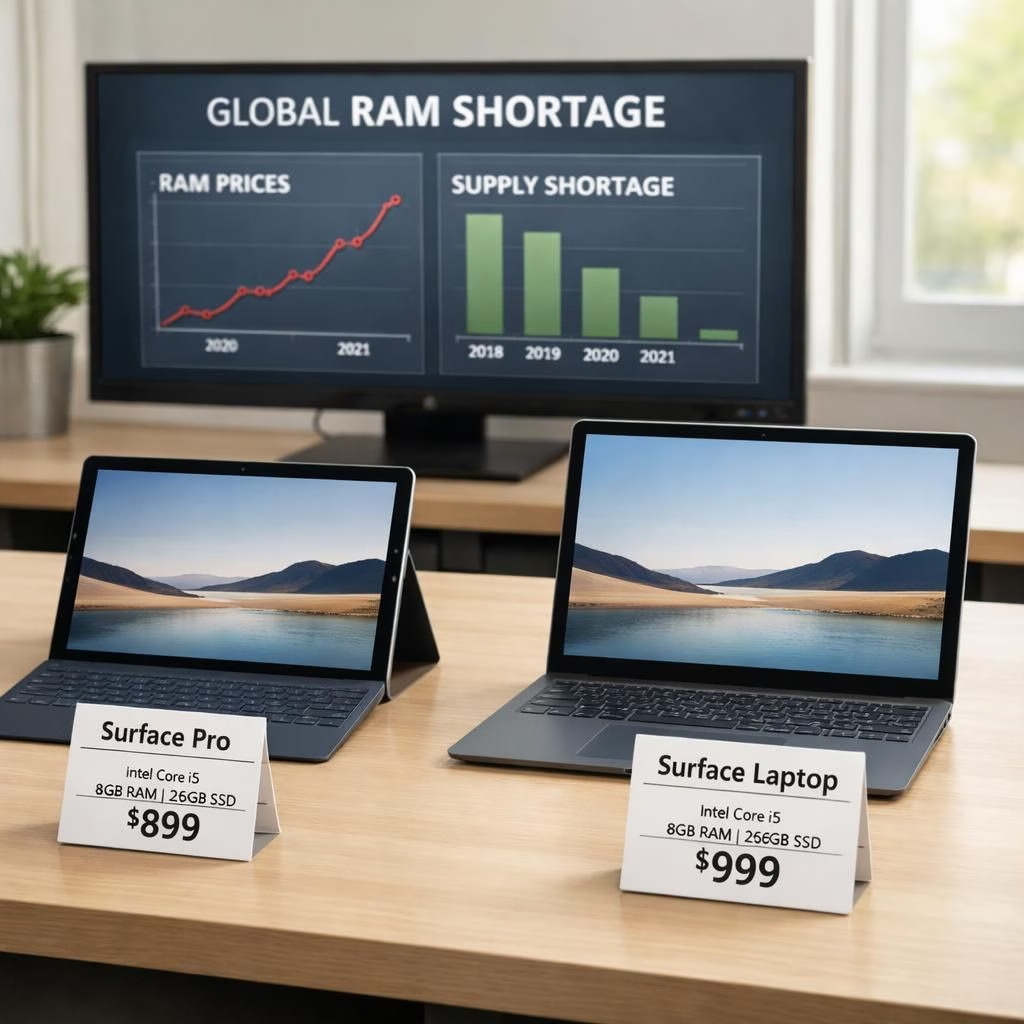
Surface pricing in 2026 is getting a gentle, amused nudge from reality: RAM shortages still ripple through the market, and the lineup inches upward in price. The core promise—well-built hardware, thoughtful design, and Windows that behaves better when you invest in it—remains intact.
This isn’t a nostalgia trip; it’s a practical map for buyers who value longevity, support, and the tactile satisfaction of a solid keyboard.
Surface pricing in 2026: What changes mean for buyers
Notable changes, summarized for quick planning: The 13-inch Pro 11 and the 13.8-inch Laptop 7 from the Surface family now start at $1,499, up from $999, and Microsoft had already moved away from the $999 option last year in favor of a $1,199 model with more storage, a strategy to nudge buyers toward higher-value configurations. The 12-inch Pro climbs from $799 to $1,049, the 13-inch Laptop from $899 to $1,199, and the 15-inch Laptop from $1,299 to $1,599. A maxed-out 15-inch configuration with Snapdragon X Elite, 64GB RAM, and 1TB storage now sits at $3,649, hundreds of dollars more than a similar 16-inch MacBook Pro. The takeaway is simple: pricing is up, but the upgrade path includes more RAM, more storage, and a snappier overall feel when you push the hardware.
In the current price theater, Mac hardware is not idle. Apple’s MacBook Neo at $599 has drawn attention for efficiency and price-to-performance. In some real-world tasks, the Neo can outperform certain Windows rivals, setting a market dynamic that keeps the consumer honest. Against this trend, the lineup sits in a price tier where RAM and storage become the star players. The price hikes aren’t isolated; they share a backdrop of memory chips and supply constraints, while the buyer’s budget remains the main actor.
Surface pricing dynamics: RAM crunch and spring launches
RAM shortage again becomes part of the narrative, as suppliers scramble to fill high-demand machines. The price moves align with the story: you get more RAM and storage headroom, and you pay for it. The Pro 11 and Laptop 7 illustrate this trend: the base experience still aims to feel quick and responsive, while the upgrades bring real value for professionals who run multiple apps, virtual machines, or large media projects. The Windows ecosystem remains appealing and stable, and the appreciation for hardware that stays cool under pressure grows with every price bump. If you want a lighter laptop with a strong keyboard and solid battery life, the Pro 12 and Laptop 13 remain compelling choices—just be ready to pay for the extra performance.
So where does that leave enthusiasts who track the Surface lineup closely? The answer is nuanced. The price hikes are balanced by better configurations and longer lifespans for power users, but budget buyers face a tougher call. The MacBook Pro has its own price ladder, but the Neo undercuts Windows rivals at a lower price point, creating a counterweight in a market that prizes performance per dollar. For many buyers, the right decision balances premium hardware with affordable upgrades, and the Surface lineup remains appealing for those who value durability and a comfortable typing experience.
What’s your take on pricing in 2026? Do you see higher prices as a fair exchange for better RAM, more storage, and stronger overall polish, or do you feel the market deserves more aggressive promotions? Share your thoughts in the comments below so we can keep the conversation going. For readers who want the full context, this piece builds on Windows Central’s price hikes in 2026.
Original article at Windows Central: Windows Central coverage on Surface price hikes, 2026
References
- The Verge — Microsoft Surface price increase, RAM shortage
- Windows Central — Surface price hikes 2026