

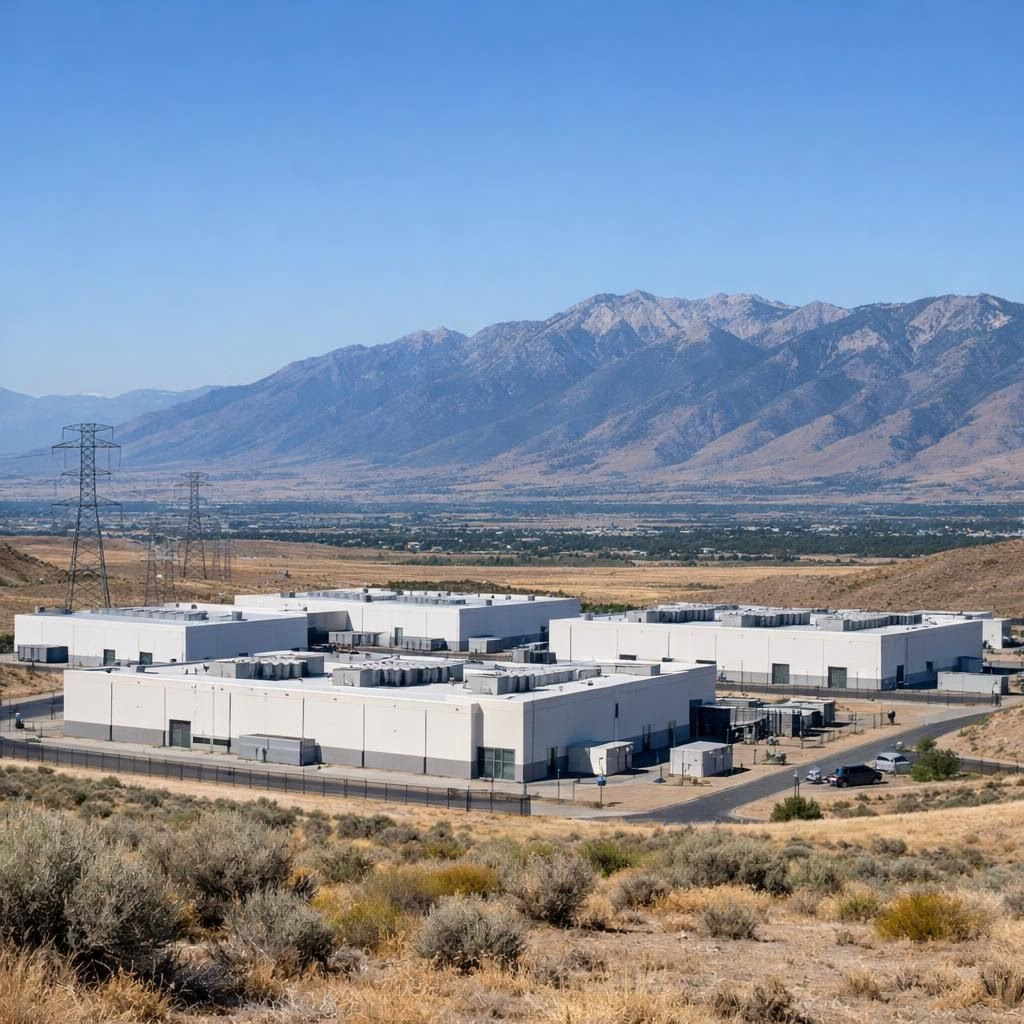
Stratos Project and Wonder Valley have become the latest unlikely celebrities in Utah’s energy saga. The Stratos Project aims to build a 9-gigawatt data center complex in Box Elder County, a facility so energy-hungry that skeptics joke it could power a small city. The Wonder Valley nickname frames the place, signaling servers hum and local life coexists with big-bet ambitions.
Local residents push back, warning that a footprint this vast could tax the grid and water table, especially during drought and with the shrinking Great Salt Lake. County commissioners recently moved the project forward in a vote that surprised some and delighted others who crave AI supremacy and job growth.
The proponents, led by Kevin O’Leary, insist this is about jobs, national AI competitiveness, and a robust electrical grid for the future. Critics counter that the scale, the cooling needs, and the water draw are mismatched with Box Elder’s resources and climate reality.
The tension is less about a single project and more about Utah’s appetite for big bets in the 2026 era of tech booms and environmental headlines. Stratos Project deserves scrutiny; Wonder Valley deserves a fair, data-driven conversation.
Stratos Project: Jobs, Power, and a Controversial Scale
Proponents tout thousands of jobs and a boost to American AI leadership. The campus would anchor a manufacturing plus data hub and promise long-term tax revenue. O’Leary has warned that the project could help harden the electrical grid and attract compute-heavy industries, a narrative polished into a glossy brochure.
Yet the numbers are dramatic. A Fortune report cited the facility could exceed Utah’s current annual electricity consumption and require vast water resources for cooling. Plan details show the site in Box Elder County would run on its own generation mix at times, but the cooling demands would still pull from a stressed grid.
Local critics warn that a 9 GW campus would reshape the energy market, push up rates, and elevate risk during peak demand. The footprint would extend across tens of thousands of acres, with security fencing and a campus scale that looks like a small city.
The Stratos Project case underscores a broader trend: data centers come with enormous power hunger, and Utah’s lawmakers must weigh it against the state’s drought resilience and water rights. The byline from NASA and other sources about Great Salt Lake’s shrinking water levels adds gravity to the discussion, reminding readers this isn’t just a tech story but an environmental one. Still, supporters emphasize economic diversification, technology training, and future-proofing the state’s AI toolkit.
Wonder Valley: Environmental Stakes and Local Voices
Wonder Valley carries emotional weight in this debate. Residents worry about cooling towers, emissions, and heat islands that could accompany a campus of this size. They also question whether the lakeside ecosystem can tolerate a facility that could withdraw significant cooling fluids and water, given the documented shrinkage of the Great Salt Lake.
Opponents remind readers that Utah already faces energy price volatility and drought risk, and that large energy consumers should not crowd out residential users. Proponents respond that the campus would include efficiency measures, perhaps even on-site power generation with natural gas, as a bridge to renewables, while creating new jobs in a region with limited opportunities.
The Wonder Valley side of the conversation centers on local governance: can a project of this scale pass muster under current zoning, permitting, and referendum processes? The exchange between residents and officials shows the community is alive and well, with voices from all sides.
Stratos Project and the Referendum: A Democratic Pause
Following the vote, residents filed for a referendum, a classic Utah move that seeks to give voters a voice. The county attorney is reviewing whether the application is valid; if approved, supporters must gather over 5,000 signatures. A successful referendum could pause or cancel agreements that county commissioners signed, though it might not derail the project entirely. This step underscores a larger truth: big bets invite big checks and balances. The Stratos Project becomes a test case for how counties balance economic promises with environmental stewardship. Wonder Valley watchers note that a referendum process can elevate public process and transparency, while skeptics worry about delays and financial volatility. In both camps, the core questions remain: can Utah secure AI-ready infrastructure without compromising water resources or the state’s outdoor heritage? The answer will depend on ongoing negotiations, data sharing, and the willingness of all sides to adapt.
What this means for Utah in 2026 and beyond is a story of balancing ambition with stewardship. The project could bring thousands of jobs, capital, and a sharper national AI profile, but it also demands airtight safeguards on water rights, energy reliability, and community voice. The debate illustrates how environmental concerns intersect with growth aims, and why local governance matters in big decisions. If designers can show progressive cooling, closed-loop water systems, and minimal ozone impact, the project gains credibility. If the community demonstrates measurable water savings and transparent energy accounting, trust grows. Utah could benefit from a clear framework for evaluating future data centers that reflects climate reality, not just investor optimism. In the end, this becomes a case study in regional development, energy policy, and civic dialogue, a chapter that could influence other counties facing similar tech-driven ambitions. The local chapter reminds us growth cannot outrun responsibility; the two issues remain inseparable and dynamic.
Original article: Fortune report on Stratos Project — Thank you for the source material.
If you have thoughts, share them in the comments below. Your perspective adds balance to this high-stakes conversation about Utah’s 2026 energy future.
Practical steps for evaluating Stratos Project
- Call for independent water-resource impact assessments that address both cooling needs and drought resilience.
- Explore on-site cooling innovations and closed-loop water systems to reduce external withdrawals.
- Require transparent energy accounting and regular public reporting on electricity use and emissions.
- Balance economic promises with community safeguards, including fair compensation and job training programs.
FAQ
-
What is the Stratos Project?
A proposed 9 GW data center complex in Box Elder County, backed by Kevin O’Leary, focused on AI compute and job creation, with a substantial energy and water footprint.
-
Why are residents concerned?
Residents worry about strain on electricity grids, water withdrawals for cooling, and potential environmental impacts amid drought and the shrinking Great Salt Lake.
-
What is Wonder Valley?
Wonder Valley is the nickname used to describe the site and its surrounding landscape, symbolizing the tension between technological growth and local ecosystems.
-
What about the referendum?
A referendum could pause or cancel certain county agreements if enough residents sign, though it may not fully derail the project.