

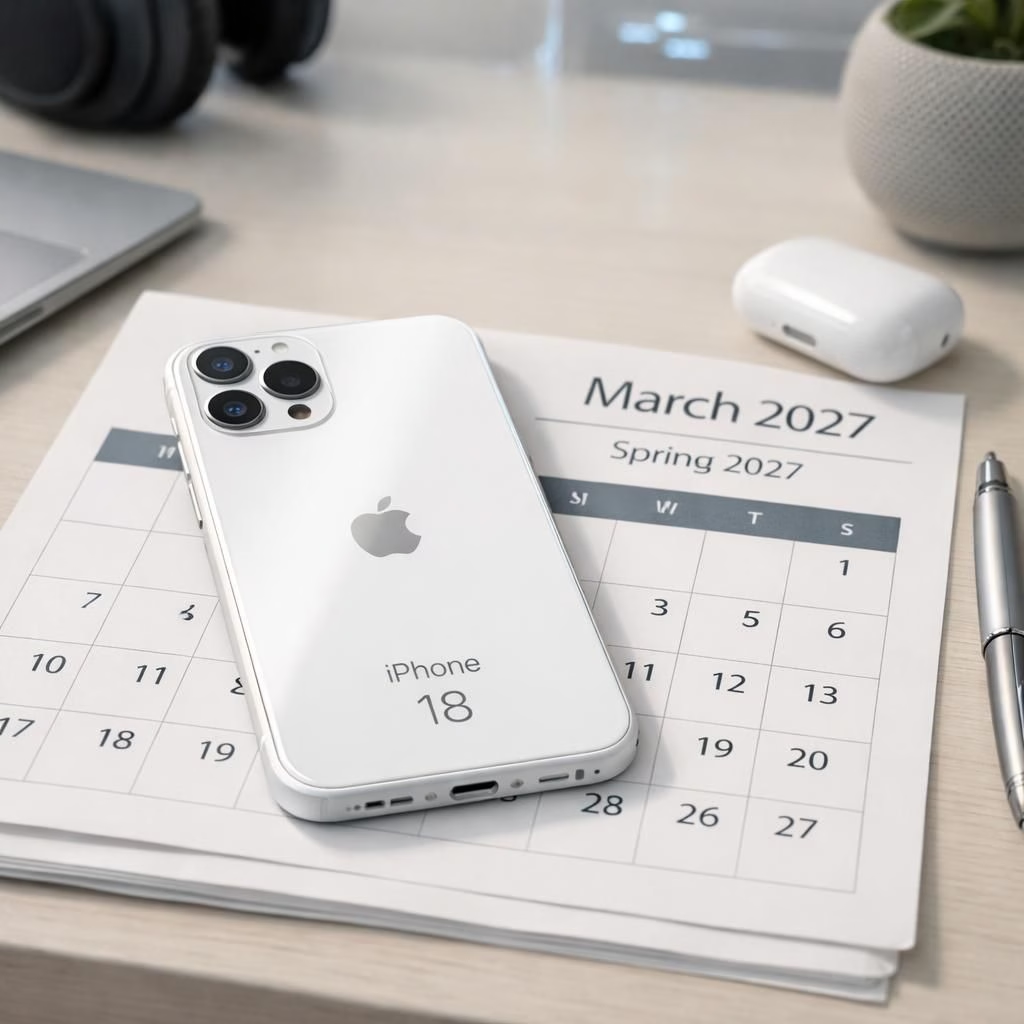
In 2026, the chatter around the iPhone 18 is loud enough to wake a quiet coffee shop. Yet beneath the buzz lies a serious shift: a potential two-act launch that could place the base iPhone 18 in spring 2027, with its bigger kin arriving in the fall as usual.
This is not merely rumor; it’s a plausible rethinking of the cadence for the iPhone lineup. The core idea is straightforward: the iPhone 18 lineup might follow a two-window Launch Schedule rather than a single autumn curtain call. A key supplier, Largan Precision, noted a major US customer delaying a launch to the first quarter of 2027, nudging procurement later and boosting factory utilization in Q4. While the supplier didn’t name the customer or product, Largan’s role as the main lens partner for the device maker makes these hints unusually relevant.
If this split test proves correct, it would mark the first deliberate separation in the flagship cadence since the iPhone 4S era introduced a fall ritual in 2011. It could also signal a broader shift for Apple and its supply chain to manage resources with two distinct release windows.
It would be a notable shift for Apple and the wider ecosystem.
iPhone 18 Launch Schedule: A Split Path in 2026
That split path could place the base iPhone 18 in early 2027, alongside softer-hued companions like the iPhone 18e and the Air 2.
In this scenario, the iPhone 18 Pro, Pro Max, and the much-rumored foldable iPhone Ultra would still target the traditional September launch window.
The logic behind the shift is practical: spreading manufacturing and sourcing demand across two quarters to better align with a growing six-device lineup. The Apple ecosystem would continue to reflect the same design language in the base model, with the standard version likely preserving the 6.3-inch display, while the 18e keeps to a 6.1-inch footprint. If this path holds, this approach could reduce production bottlenecks that sometimes accompany a single-file release and give retailers a steadier supply chain throughout the year.
Two release windows also serve a strategic purpose for the Apple ecosystem. A spring 2027 window for the base iPhone 18, paired with a fall 2026 window for premium variants, could preserve excitement while distributing attention more evenly across retailers, carriers, and developers building in the new phone’s features. The idea is less about chaos and more about cadence: Apple could maintain momentum as the lineup expands from five devices to six, while avoiding the bottlenecks that can accompany a big fall rush. The market often rewards steady, predictable availability, and the staggered approach could help keep momentum across multiple quarters.
What Apple fans should expect
Design-wise, the iPhone 18 standard model is not anticipated to bring radical exterior changes. Expect the same 6.3-inch display for the base iPhone 18, with the iPhone 18e offering a compact 6.1-inch panel. External aesthetics may stay familiar, while internal improvements target performance, camera capabilities, and battery life. The foldable iPhone Ultra would be a bold new chapter for users who want a larger screen without sacrificing pocketability. If the plan holds, the iPhone 18 family will demonstrate how Apple can deliver two seasons of innovation in one calendar year without diluting the brand’s premium aura.
The broader implication is resource management. A two-window strategy could help Apple align production with a wider supplier network, avoiding the annual crunch that sometimes accompanies a single, heavy release. The move could also allow a mid-cycle refresh of certain components rather than committing all its eggs to one basket in September. The result could be more stable pricing, improved component yield, and a smoother experience for carriers and retailers who need to forecast inventory with fewer surprises.
From the consumer angle, this approach may translate into fans waiting for the iPhone 18 base model in spring 2027 while still enjoying the high-end iPhone 18 Pro and Pro Max later in the year. It may also create room for the rumored iPhone Ultra to enter the fold as a premium option, offering a distinct feature set that justifies its position in the lineup without cannibalizing the rest of the family. The logic is simple: keep the excitement rolling while giving engineers and suppliers more breathing room to refine the experience.
Economically, a staggered Launch Schedule could smooth revenue streams and extend the seasonal horizon for accessory makers, app developers, and service providers. Developers may find opportunities to ship updates and optimizations aligned with the two release cycles, rather than rushing all compatibility work into one autumn deadline. Retailers can adjust campaigns to run more evenly across the year, avoiding the hot-and-cold cycle that sometimes accompanies a single, massive launch window. For retailers and developers, Apple partnerships become easier to forecast.
It’s worth noting that design changes for the iPhone 18 base model are still up in the air. Early signals point toward a cautious approach—keep the familiar silhouette, while pushing core improvements in sensors, speed, and battery endurance. The iPhone 18 Pro line could carry more advanced features that justify a premium price, helping balance the economics of a two-window release. And while a foldable iPhone Ultra might spark chatter about the next frontier, its success will depend on practical reliability, battery management, and real-world use cases that resonate with mainstream consumers.
As the conversation continues, timing and scope depend on manufacturing realities, component availability, and the unpredictable nature of global supply chains. Largan Precision’s comments at the shareholders’ meeting remind readers that supplier voices often hint at pressure points behind the curtain. The industry watches closely because any deviation from the norm can ripple through pricing, promotion, and product positioning across the ecosystem. Apple relationships matter.
For readers who like to plan ahead, the takeaway is straightforward: expect the iPhone 18 lineup to be announced with a careful, two-stage rhythm, rather than a single autumn reveal. If Apple presses ahead with a spring 2027 arrival for the base model, it could set a precedent for a more modular, demand-responsive release pattern. In that world, the iPhone 18’s core promise—better cameras, faster performance, improved battery life—still lands; the timing, however, learns to dance to two different beats instead of one.
Readers who enjoy a good tech rumor deserve an honest note: until Apple itself confirms specifics, treat all dates as evolving possibilities. But given the signals from suppliers and the broader logic of production economics, a dual-release strategy is no longer a far-fetched dream; it’s an increasingly plausible chapter in the ongoing story of the iPhone 18. If this path proves correct, fans will get a springtime teaser and a fall finale, with the iPhone 18 Ultra adding a bold twist to the plot.
Want to weigh in? Share your thoughts in the comments below. Your perspective helps other readers navigate the rumor mill with a sense of humor and a healthy dose of skepticism.
Special thanks to the original article for the reporting on these rumors. You can read the source here: Original MacRumors article on iPhone 18 rumors. Thank you for the material that inspired this piece.
Practical steps to track the iPhone 18 release
- Monitor supplier chatter and production schedules for hints about two release windows.
- Follow credible tech outlets for any official statements from Apple or its partners.
- Watch carrier inventories and retailer promotions for signs of a staged rollout.
External sources
FAQ
- Q: Will the iPhone 18 base model launch in spring 2027?
A: The timeline is speculative, with supplier signals suggesting a spring arrival for the base model alongside premium variants later in the year. - Q: How many models could the iPhone 18 family include?
A: The lineup is expected to include base iPhone 18, iPhone 18e, Air 2, Pro, Pro Max, plus a foldable Ultra if confirmed. - Q: What benefits would a two-window release bring?
A: It could smooth manufacturing, stabilize pricing, and keep retailers’ shelves stocked across quarters.
Conclusion
In short, the iPhone 18 may arrive in two phases rather than a single autumn splash. If this approach proves correct, Apple could redefine cadence, while readers get a spring teaser and a fall finale. The core promise of better cameras, faster speeds, and longer battery life remains intact, with timing learning to dance to two beats instead of one.