

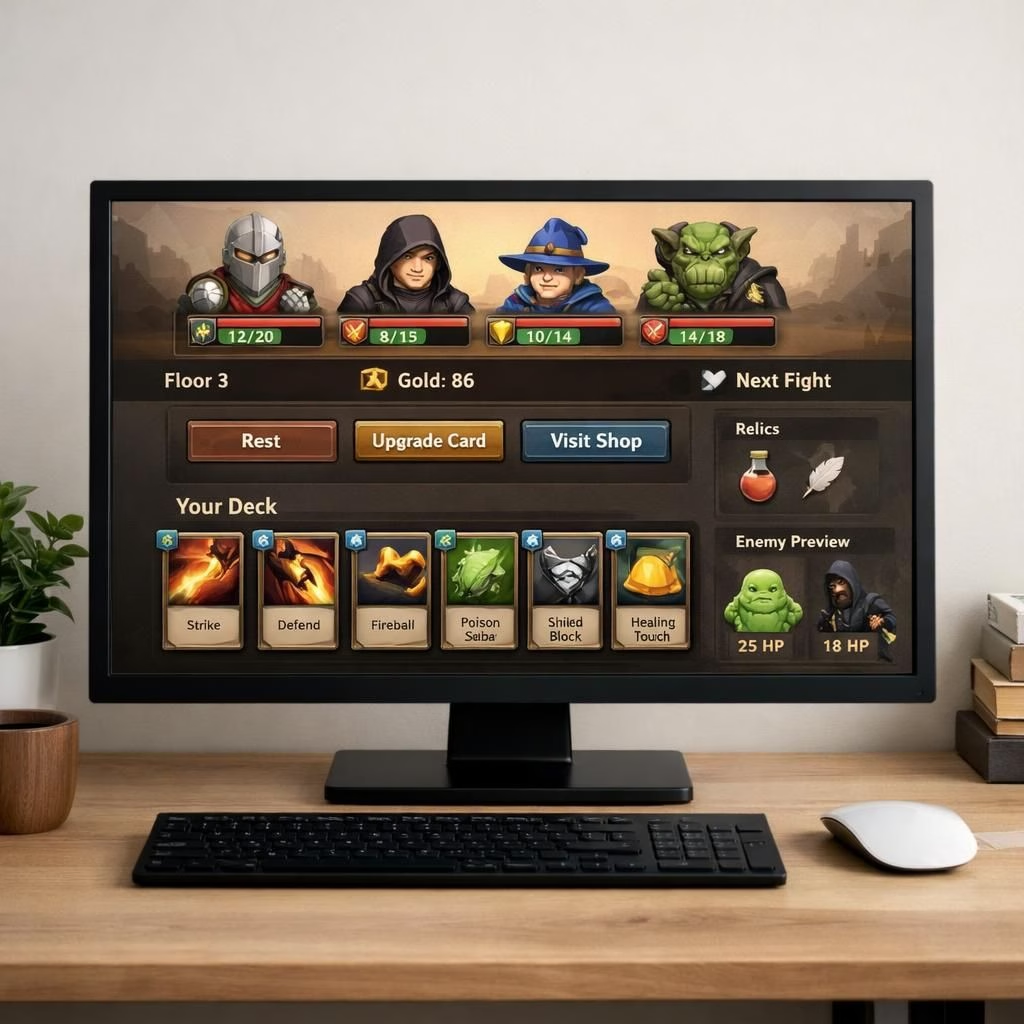
In 2026, the gaming world gets a friendlier take on roguelike deckbuilding. Slay The Spire 2 lands with a bold plan: keep the cadence that hooked players while inviting new modes and co-op chaos. And yes, Tag B fans, the chatter around this release is lively, hopeful, and occasionally hilariously earnest.
Slay The Spire 2: A Cooperative Dream in Practice
From the outset, Slay The Spire 2 is pitched as a four-player roguelike deckbuilder. That setup invites questions: will the synergy feel cluttered, or will teamwork unlock new strategies? The team has signaled a balance between strategic depth and accessible party play. The four-player mode is not a side quest; it’s a central feature that nudges players toward shared planning and social mischief. In practice, players draft a run together, watch each other’s backs, and perhaps politely sabotage a plan here and there—an inside joke that becomes a shared victory if the stars align. Slay The Spire 2’s core promise is to honor the original while inviting a more collaborative rhythm that can turn tense moments into a memorable group triumph.
The design pushes a friendly but serious tone: you’ll see a deck-building system that rewards communication, quick adaptation, and well-timed gambits. The user interface aims to be readable in the heat of action, with clear card text, visible relics, and a status bar that stays visible while your party brainstorms. Pacing is king here; a misstep by one player should not derail the run, and a well-timed combo should feel like a team sport rather than a solo sprint with cheerleaders on standby. It’s a balancing act, but the team understands balance is a moving target, and honest playtesting will decide whether four-player play becomes a staple or a niche curiosity.
Indie Games and the Buzz Around Slay The Spire 2
Tag B communities are often the most restless, in a good way: they test ideas, celebrate oddball mechanics, and lampoon overhyped features with affection. In this case, the Tag B scene seems excited by the prospect of four players, more dynamic encounters, and a schedule of early access windows that could offer a balanced preview rather than a fever dream. The early access window will matter: it gives players a chance to stress test the new co-op and surface balance issues before a full launch. If the team handles feedback with candor and a light touch, the Tag B press will celebrate progress rather than perfection. The tone so far reads as confident but not arrogant, respectful of its roots while curious about what the future holds. Slay The Spire 2’s makeup nods to the community’s love for experimentation, a hallmark of many Tag B projects that aim to move the needle without losing their soul.
Strategic details follow established Spire conventions but push them outward. The deck-building system will reward collaboration: players share insights about cards, plan for synergies, and adjust tactics on the fly. The result could feel like a chorus rather than a march, a shared problem-solving exercise that remains accessible to newcomers. On the technical front, the game’s polish shows in its animation, sound design, and the way status effects are depicted: you can feel the risk as enemies unload a flurry of attacks, and you can feel your team’s resilience as you counter with timely combos. The developers seem to be listening—patch cadence is real, and a community that wants to be part of the evolving story.
Is there room for consoles? The current chatter suggests a potential multi-platform release, possibly after a successful early access period. The console question is less about whether it can run on a controller, and more about whether the co-op flow translates to couch play while staying true to the game’s rhythm. The developers have not ruled out the option, and the community response has been supportive, balancing pragmatic concerns with a shared enthusiasm for trying something ambitious in 2026. Tag B fans are curious about how features translate across hardware, but they remain patient, trusting in a thoughtful progression rather than a hype-driven sprint.
In-Depth Look: What Makes the Four-Player Vision Tick
In practice, four players draft a run together, discuss cards, and decide who takes the lead on a clutch turn. That collaborative rhythm can turn a tense moment into a celebration when a well-timed combo lands. The design team emphasizes accessibility without daking down from complexity, aiming to welcome new players while keeping veterans engaged with meaningful choices.
What to Expect in Practice: Patches, Balance, and Community Feedback
The pacing of patches will shape the long-term feel, so expect a cadence that invites ongoing play rather than a single spike. The balance of roles will influence how welcoming the game remains for newcomers and veterans alike. In the end, the four-player vision is the heart of the project, and it’s the tightest demonstration of why people love deck-building: you win together, you lose together, and you remember the moments when a single card flips the outcome in your favor.
Original reporting and heartfelt thanks to the outlets covering this. Special appreciation goes to the original outlets for coverage. Kotaku led the discussion around Tag B and Slay The Spire 2, and to Game Informer, Insider Gaming, and the rest of the press for their thoughtful takes. For readers who want to explore the initial coverage, you can check out Kotaku’s piece here: Kotaku — Indie Games Yeet Themselves Out Of Slay The Spire 2’s Way. Thanks to all the writers who keep the conversation lively and constructive.
Want to join the conversation? If you’ve played the Slay The Spire 2 beta or watched early streams, share your thoughts in the comments. Your perspective helps shape the story as the game moves toward a broader launch.
FAQs
- Q: When is Slay The Spire 2 expected to enter early access?
A: The plan points to a 2026 window, with ongoing patches and community feedback guiding timing. - Q: Will four-player co-op be available on all platforms at launch?
A: The goal is multi-platform support, with console compatibility explored after an initial period of testing. - Q: How will balance adapt to different player roles?
A: Patches will tune power across roles based on feedback and data from early runs.
Bottom line: Slay The Spire 2 is shaping up as a thoughtful remix rather than a simple reboot. If the four-player mode stays robust and the patch cadence stays patient and transparent, it could become a go-to co-op roguelike for groups who love quick wits, strategic planning, and a dash of mischief. Next steps: follow ongoing updates, join early-access discussions, and share your own frontline impressions as the release approaches.