

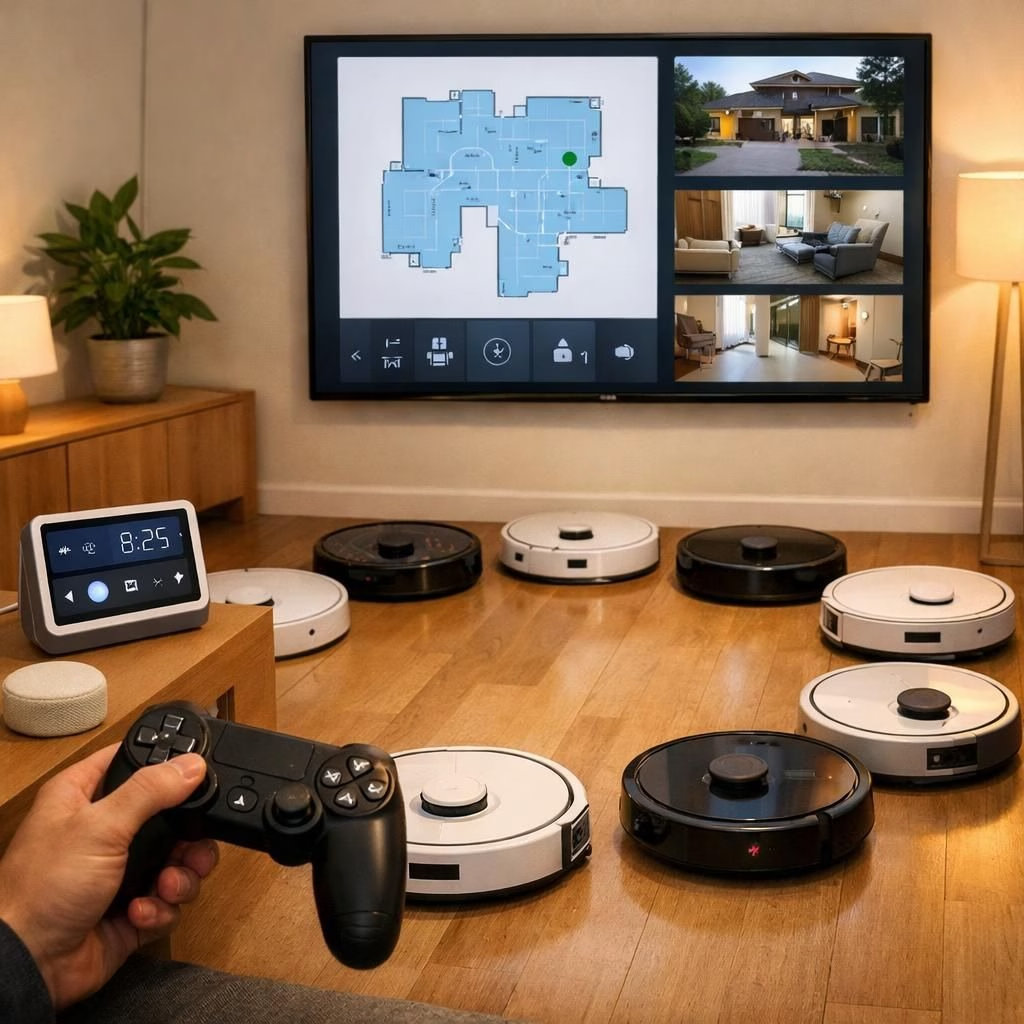
In a sunny origin story about a tinkerer chasing a PlayStation controller hack, security tips matter, and robot vacuums take the stage as the surprising cast. In seconds, 7,000 devices listen in, and dashboards glow with floor plans and live video feeds, reminding us that smart homes are shared spaces of trust.
The accidental hacker was not a villain; he was a curious amateur who mistook tinkering for best practice. He wanted smoother control, pressed a button that should have stayed in a private lab, and opened a window to a chorus of robot vacuums. The flaw blended default credentials, weak authentication, and a lack of network segmentation. As the devices woke, dashboards blinked, exposing floor plans and camera feeds to an observer’s eye.
Security tips in action: the accidental robot vacuums breach
From that day, security teams framed the incident as a freckle-faced reminder: a single misstep on a home network can invite many roommates to the party. The breach began when a PlayStation controller encoded a bridge that trusted every command. robot vacuums woke up, mapped rooms, and streamed scenes. It sounds like a spy thriller, but it was real life: insecure software meeting a curious DIY spirit.
What went wrong? Outdated firmware, weak or missing updates, and devices that accepted commands from anyone who could coax them through a familiar port. The longer answer is a tutorial in security basics: authenticate messages, encrypt traffic, and never expose control APIs to the open internet. The breach did not start with a grand plan; it began with a door left ajar and a curious hand on a gamepad. Security tips and best practices emerge from such moments.
robot vacuums and learning security tips for 2026
In the aftermath, engineers compiled notes into a practical checklist that reads almost like a grocery list of caution. Do not reuse passwords from other devices. Patch firmware quickly, not months later. Segment IoT devices on a separate network and monitor anomalies. Disable remote administration from WAN and require a strong, unique password for every device. If a product offers MFA or token-based access, enable it; it becomes a core security tip even at setup.
During the cleanup, the team highlighted steps readers can apply without becoming security scientists. Dashboards that flag unusual command patterns, rate limits that slow curious play, and alerts that reach an on‑call engineer before tensions rise. The goal is to turn curiosity into safer curiosity, so the next robot vacuums bridge attempt yields a learning moment rather than a crisis.
- Change default passwords and disable universal remote access as a core security tip
- Keep devices updated with vendor patches and secure firmware as part of security tips
- Use network segmentation for robot vacuums on a separate network as a foundational security tip
- Enable MFA or strong access tokens for critical controls on robot vacuums, a solid security tip
- Monitor for unusual activity and set automated alerts for robot vacuums, a practical security tip
Even with the humor and the wink about a room full of cleaners obeying a gamepad, the incident reveals deeper truths. The digital age is wonderfully convenient, but it demands disciplined information hygiene. We are all part of the same floor plan, watching cameras that sometimes reveal our own footprints. The case becomes a study in design, testing, and responsible ownership of connected devices.
For journalists and readers alike, the event offers more than a punchline. It provides a scaffold for safer products and habits. It invites manufacturers to bake security into every layer and households to practice cyber literacy as routinely as laundry. If you own a smart cleaner—or a dozen—turn this tale into a habit: update, segment, monitor, and never assume trust is automatic.
Original article: The accidental hacker: how one man gained control of 7,000 robots. Special thanks to the author for inspiring this conversation on responsible IoT use in 2026.
If this piece made you think twice about your own smart home, share your thoughts in the comments. What safeguards do you have in place, and how will you improve them? Together we can turn a surprising mishap into lasting habits that keep homes safe and playful.