

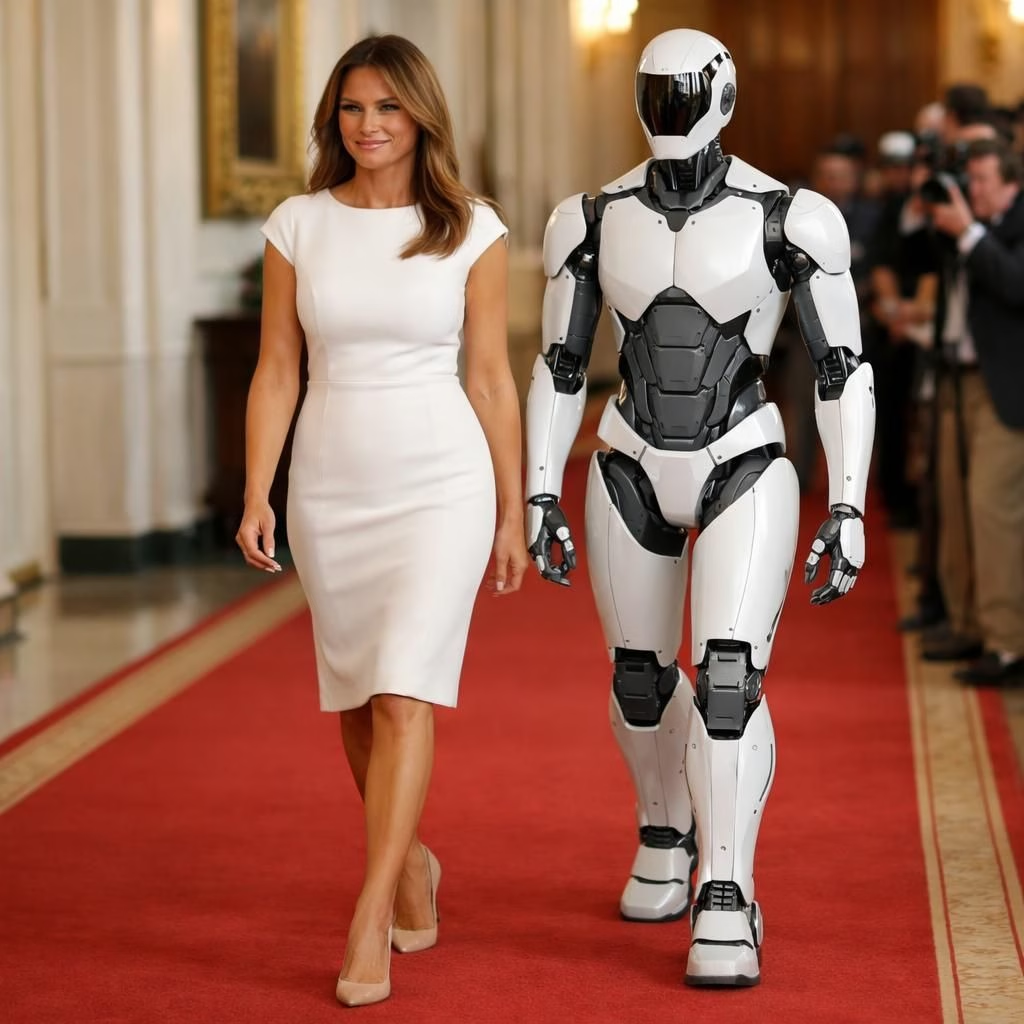
At a White House event centered on robotics and education, First Lady Melania Trump walked the red carpet beside Figure 03, a welcoming humanoid who looked more curious than calculating. The scene blended ceremonial polish with practical purpose as the pair moved into the East Room for the final day of the Fostering the Future Together global coalition summit. Delegates from around the world shared one bold goal: empower children through education and technology, with artificial intelligence as a toolbox rather than a buzzword. The robot moved with calm precision, a living prop that also served as a working reminder that robotics can be a classroom companion, a lab assistant, and a practical demonstration that tech can stay within reach of students. In this moment, curiosity, policy, and everyday usefulness converge on a single red-carpet stage. The setting was formal, but the mood felt hopeful and almost playful, a rare blend in a policy-heavy week. You could sense that the room understood this was more than optics; it was a test run for a future where classrooms embrace tools once reserved for science-fiction.
robotics and education collide on the White House stage
Figure 03 greeted the room with a soft hum and clear purpose, signaling that this moment is less about spectacle and more about practical learning. The humanoid is part of a broader push to show how robotics can support teachers, students, and curious families. The machine paused to scan the room briefly, then offered greetings in ten languages as a nod to the global reach of the summit. The first lady thanked the robot for joining and noted that this may be the first American-made humanoid guest to share a White House stage, a symbolic milestone with real-world implications. Figure AI, the Sunnyvale startup behind the project, released F 03 in late 2025 as its third-generation home assistant designed to handle chores and to spark interest in science and engineering. The company highlights collaborations with other robotics firms and researchers as they push toward safer, more capable designs. The tone remained respectful but optimistic, signaling a future where tech helps students do better work, not simply do more tasks.
education through hands on robotics in modern classrooms
Beyond theater, the event frames a shift in how classrooms might operate. The education initiative positions education as an active journey, not a passive lecture, with hands-on experiences that blend AI, robotics, and digital literacy. The presence of Figure 03 in the East Room becomes a discussion starter about training teachers to weave technology into daily lessons. Students can learn problem solving by diagnosing sensor readings, designing small projects that connect coding with math, and using storytelling to explain how algorithms translate into outcomes. The hope is not to replace teachers but to give them more tools to spark curiosity and confidence. In doing so, we shape a generation ready for evolving jobs while grounded in ethics, safety, and inclusive access to technology.
the hopeful, practical path forward for robotics and education
Looking ahead, the moment aims to translate wonder into steady progress. The idea is that advanced tech can still feel approachable, with schools, families, and communities sharing the pathway to practical use. The scene emphasized collaboration over conquest, with policymakers and industry players outlining safe, scalable options for classrooms and living rooms alike. Teachers can borrow the energy of this demonstration to design projects that pair coding with science, art with engineering, and history with ethics. Investors and educators alike will look for reliable, safe, and scalable designs that deliver tangible learning outcomes. The future holds more tools, more partnerships, and more opportunities to blend robotics and education in everyday life, from school labs to after-school clubs to family workshops.
Practical steps for integrating robotics in education
- Launch a small after-school robotics club using inexpensive kits to build hands-on confidence in education.
- Pair coding challenges with science or math projects to demonstrate real-world outcomes in education.
- Invite local engineers to give short talks and safety sessions that emphasize ethical use of AI in education.
FAQ
- What is the core takeaway from the White House moment? It shows that robotics can support hands-on learning while keeping students engaged and safe in classrooms and living rooms alike.
- Is Figure 03 a real consumer robot or a demonstration? It’s described as a third-generation home assistant designed to assist with chores and spark interest in science and engineering, rather than a mass-market product.
- How does this relate to ethics and safety? The event framed these as core considerations, not afterthoughts, emphasizing responsible design and inclusive access to technology.
Original article: The Associated Press — Thank you for the original material.
We invite you to share your thoughts in the comments below.
References
- NPR coverage of Melania Trump, robotics, and AI in education
- National Science Foundation — robotics in education
- U.S. Department of Education — AI in schools guidelines